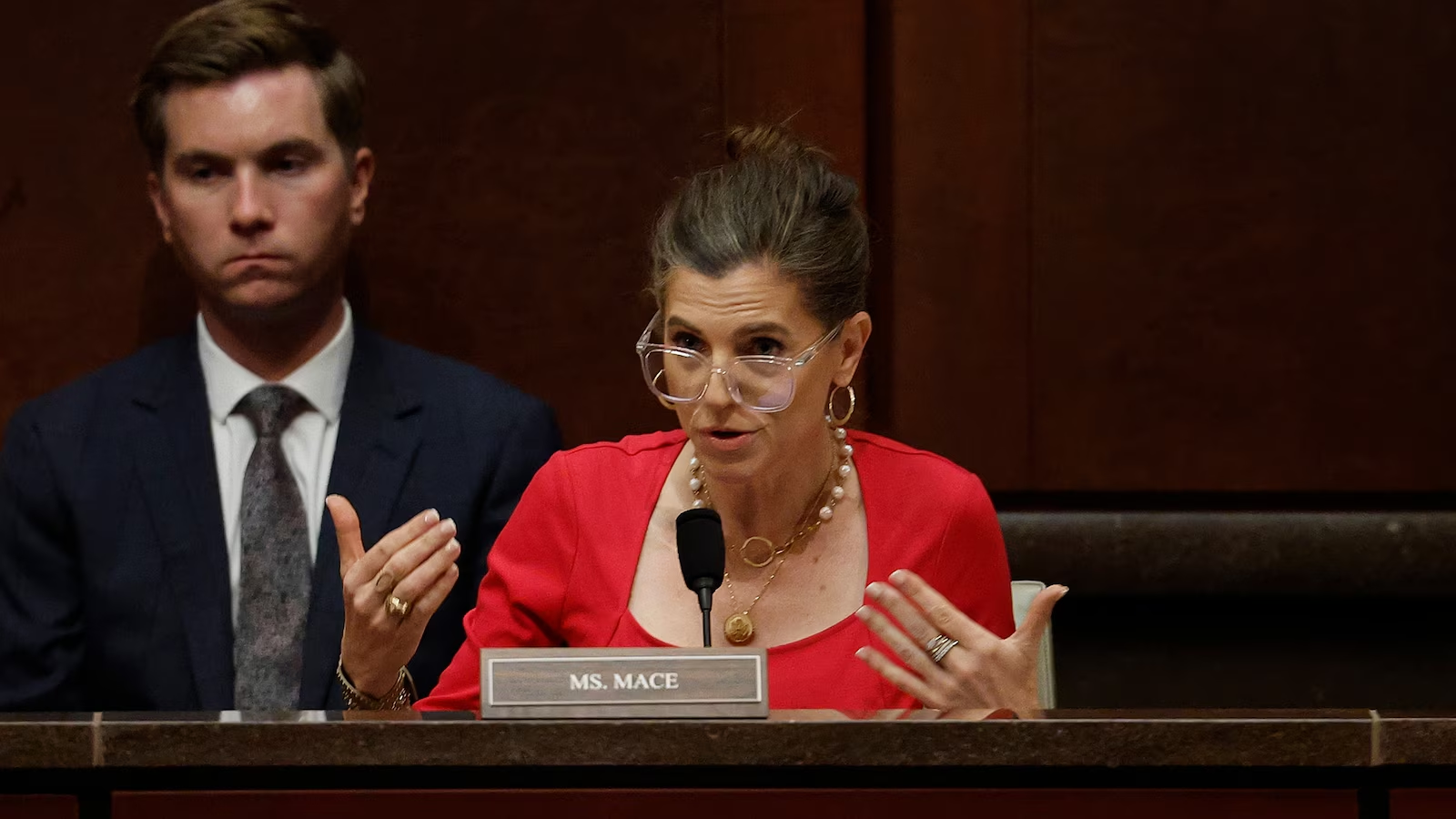
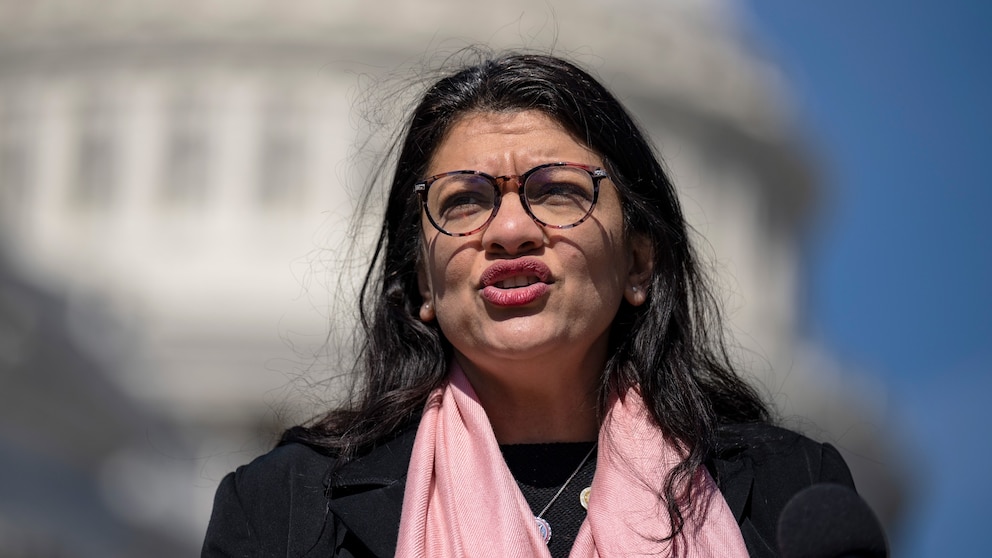
House Democrats successfully blocked a Republican effort to censure and remove Rep. Ilhan Omar from committee assignments over controversial comments, with a close vote of 214-213, amid ongoing political tensions and accusations of incitement and misconduct.
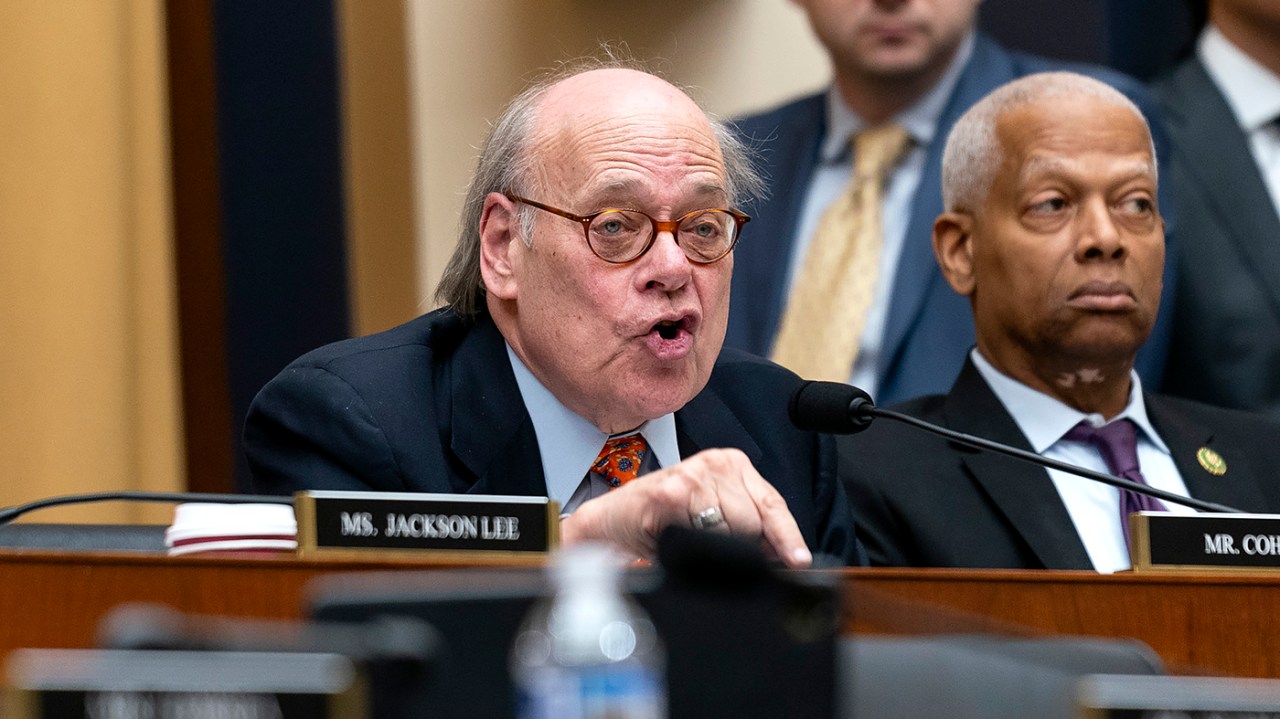
Rep. Steve Cohen (D-Tenn.) introduced a resolution to censure Supreme Court Justice Samuel Alito for allegedly violating federal recusal statutes and ethics standards after an upside-down flag, associated with "stop the steal" efforts, was flown outside Alito's home following the Jan. 6 Capitol riot. Alito claims his wife briefly placed the flag in response to a neighbor's offensive yard signs. Democrats are calling for Alito to recuse himself from cases related to the 2020 election and the insurrection.
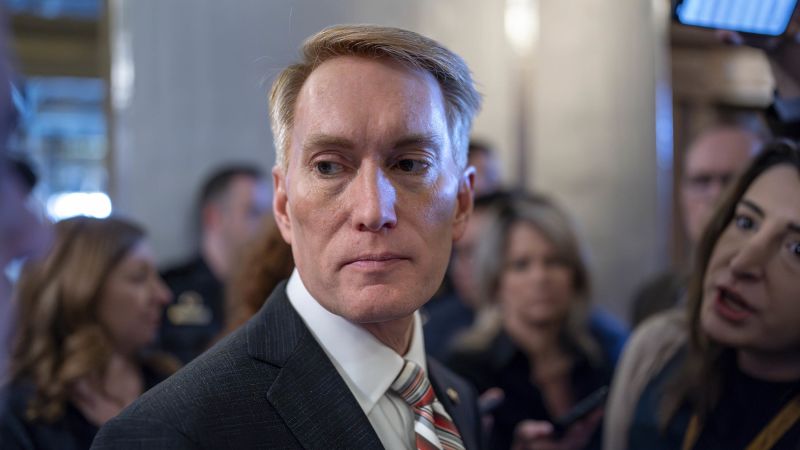
The Oklahoma Republican Party passed a resolution condemning Sen. James Lankford for his involvement in bipartisan border negotiations, accusing him of jeopardizing the security and liberty of Oklahomans. The resolution reflects the GOP's reluctance to undermine former President Donald Trump, who opposes the compromise deal. Lankford, however, remains positive about the deal and dismisses misinformation about its content, while the text of the compromise border deal is expected to go to the Senate floor soon.
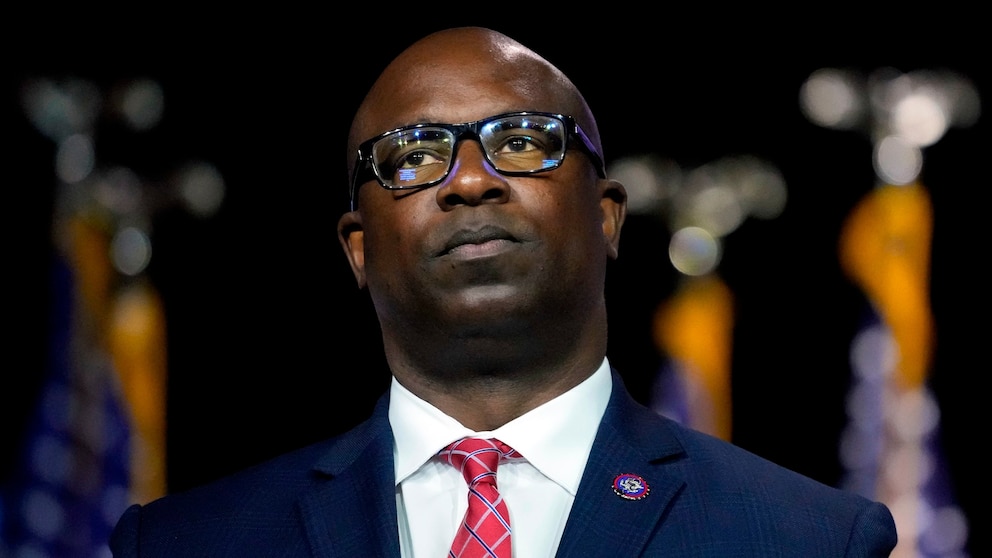
The House has advanced a Republican resolution to censure Democratic Rep. Jamaal Bowman for pulling a fire alarm, with a final vote scheduled for Thursday. Bowman admitted to pulling the fire alarm before a vote on a spending measure in September. If censured, Bowman would be publicly reprimanded in the House. Censuring House members is rare but has been used as a political tool recently. Only four House members have been censured in the 21st century, and 26 members in total have been censured in U.S. history.
Rep. Marjorie Taylor Greene pulled her resolution to censure Rep. Rashida Tlaib after the House advanced a separate resolution to censure Tlaib. The House approved the censure resolution in a 234-188 vote, with 22 Democrats voting in favor and four Republicans voting against it. Greene stated that she did not want to compete with another resolution and criticized the lack of organization from Republican leadership. The competing resolution was introduced by Rep. Rich McCormick, who opposed the language in Greene's bill. Greene expressed her satisfaction with pulling her resolution and called for better organization within the party.
The House of Representatives will vote on a resolution to censure Rep. Rashida Tlaib over her controversial remarks and actions regarding the Israel-Hamas conflict. The censure resolution, authored by Rep. Rich McCormick, accuses Tlaib of promoting false narratives about the Hamas attack on Israel and calling for the destruction of the state of Israel. Another censure resolution sponsored by Rep. Marjorie Taylor Greene will also be voted on. Tlaib's comments and actions criticizing Israel have divided Democrats, with some condemning her video and others calling for a humanitarian pause or cease-fire. Several Democrats, including Reps. Gottheimer, Torres, and Moskowitz, have announced their support for censuring Tlaib.
The House of Representatives has voted to advance a resolution to censure Democratic Representative Rashida Tlaib, following Republican-led efforts to criticize her comments on Israel and support for Palestinians. Tlaib defended herself, arguing that criticizing the Israeli government should not be equated with antisemitism. The resolution, introduced by Republican Representative Rich McCormick, is expected to have more support from Republicans due to its narrower language. Tlaib's use of the pro-Palestinian chant "from the river to the sea" has drawn criticism, with the Anti-Defamation League describing it as antisemitic. The House is expected to vote on the final passage of the censure resolution on Wednesday.
The House of Representatives has advanced a censure resolution against Democratic Representative Rashida Tlaib of Michigan following her controversial comments on Israel. The resolution, introduced by Georgia Representative Rich McCormick, received support from six Republicans and all but one Democrat. Tlaib's remarks defending the slogan "from the river to the sea, Palestine will be free" have drawn criticism, with many viewing it as calling for the destruction of Israel. Tlaib accused her colleagues of distorting her positions and emphasized that her criticism is directed at the Israeli government. The House is set to vote on a separate resolution introduced by Georgia Representative Marjorie Taylor Greene.
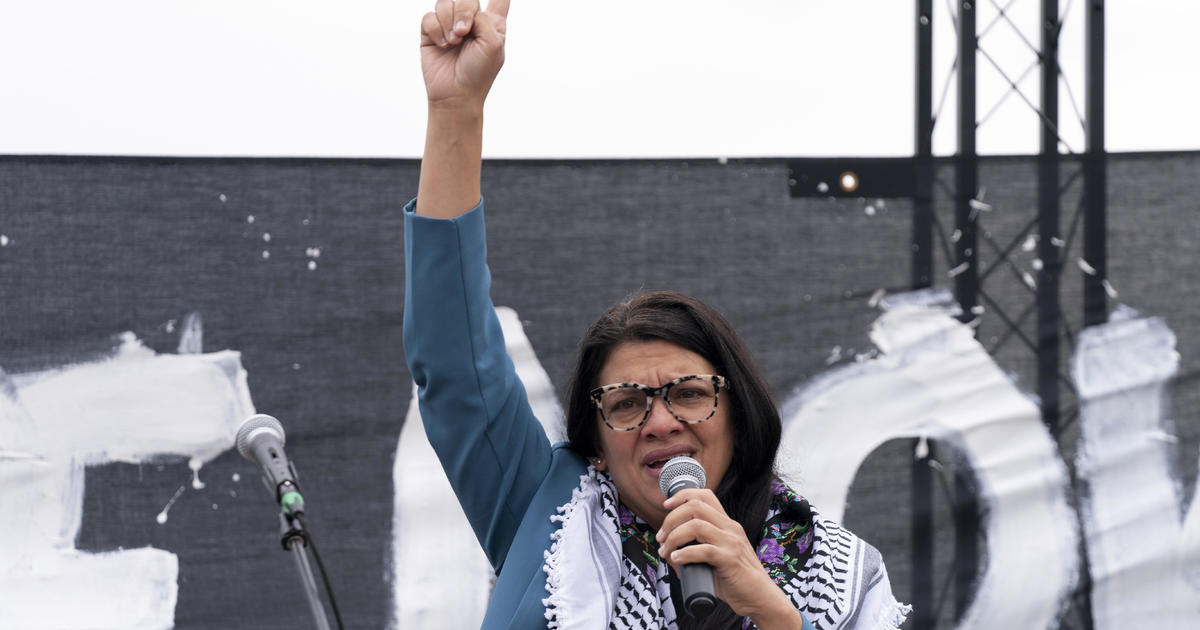
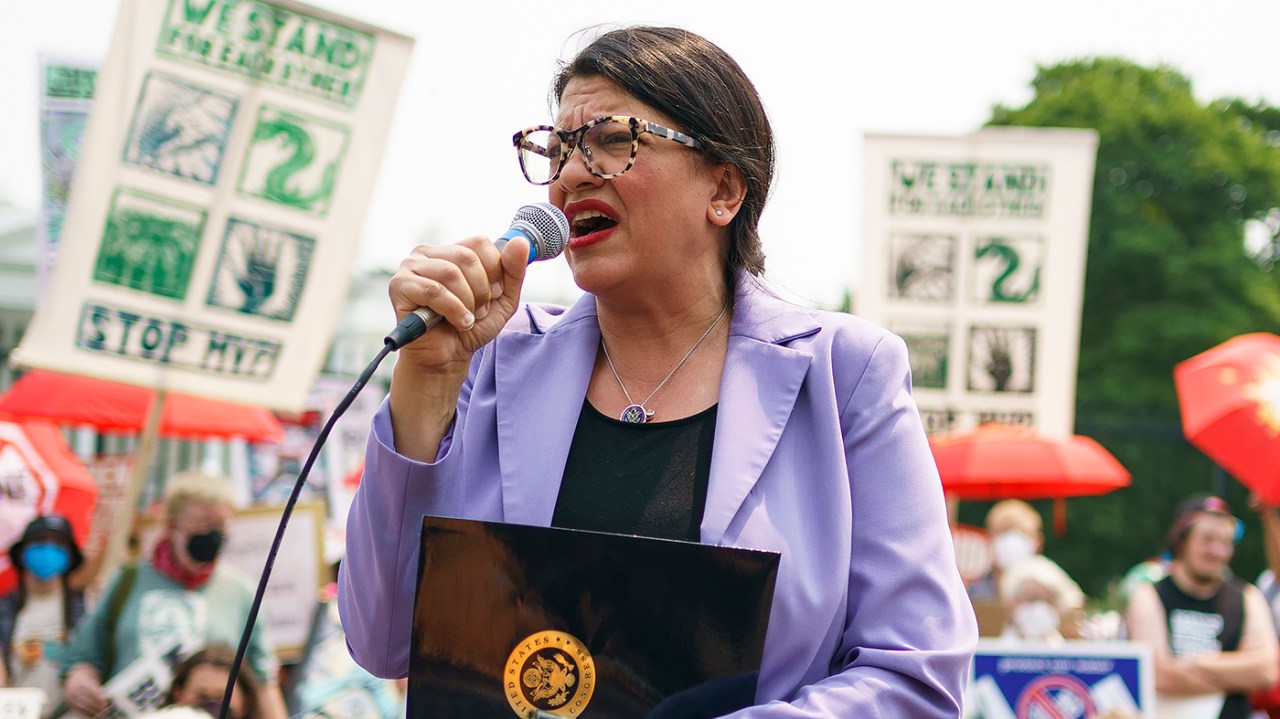
The House of Representatives has advanced a resolution to censure Rep. Rashida Tlaib for her criticism of Israel following Hamas's attack. The resolution, sponsored by Rep. Rich McCormick, accuses Tlaib of promoting false narratives and calling for the destruction of Israel. While the majority of Democrats defended Tlaib's right to free speech, the resolution is expected to pass in the final vote. Censure resolutions carry little weight but carry the stigma of being disciplined by colleagues. This is the second censure resolution targeting Tlaib in a week, with the previous one accusing her of inciting an insurrection. Tlaib remains defiant, criticizing her colleagues for silencing her and calling for a ceasefire between Israel and Hamas.
U.S. Representative Becca Balint, a Democrat from Vermont, unexpectedly withdrew her motion to censure Republican colleague Marjorie Taylor Greene during a House floor session. Balint had initially introduced the motion in July, seeking to reprimand Greene for her racist, homophobic, transphobic, and antisemitic remarks and conspiracy theories. Balint's decision to withdraw the motion came after Greene introduced her own censure resolution against Representative Rashida Tlaib, a Democrat from Michigan. Balint, with the support of House Democratic leadership, had hoped to force a vote and receive bipartisan support to address the extremism within the Republican Party. However, before any votes could be cast, both resolutions were pulled.
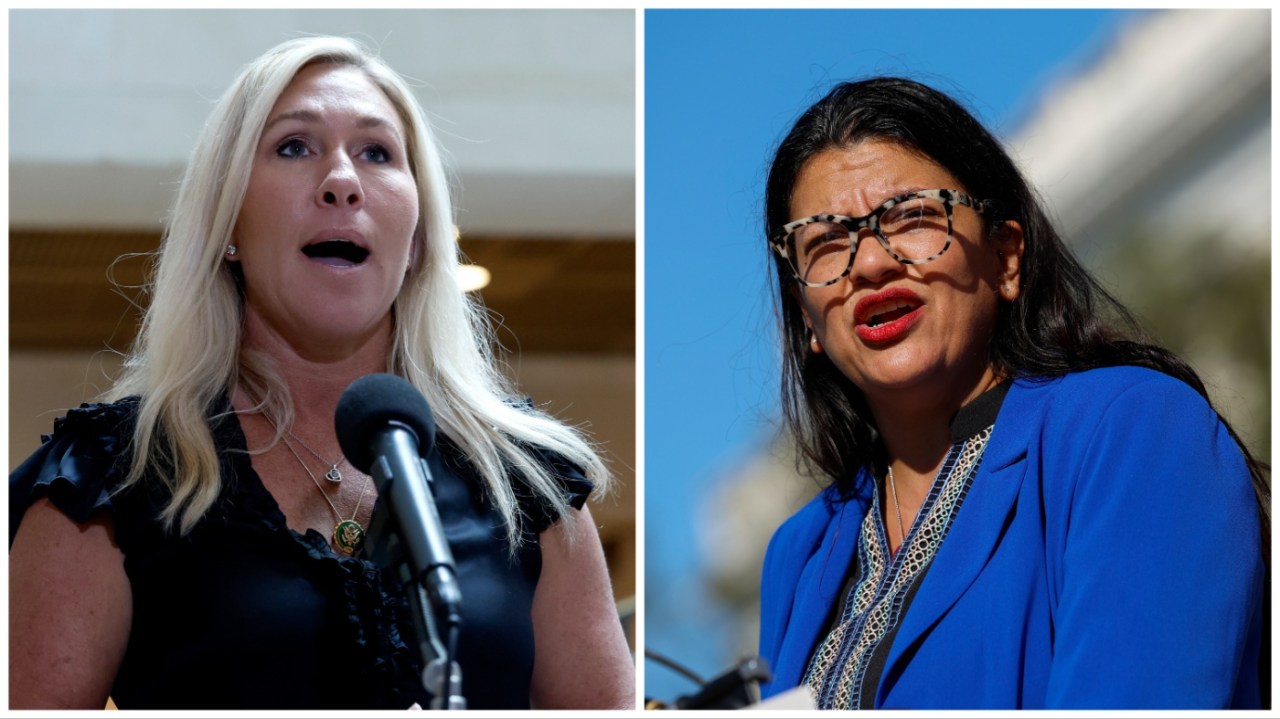
The House voted to table a censure resolution against Rep. Rashida Tlaib over her comments and actions related to the Israel-Gaza war. The resolution, introduced by Rep. Marjorie Taylor Greene, accused Tlaib of antisemitic activity, sympathizing with terrorist organizations, and leading an insurrection at the U.S. Capitol. Tlaib, the only Palestinian American member of the House, called the resolution "unhinged" and "deeply Islamophobic." Another resolution against Greene was also expected to be voted on but was pulled from consideration. Censure is a formal vote of disapproval, and stripping committee assignments is sometimes attached to the punishment.
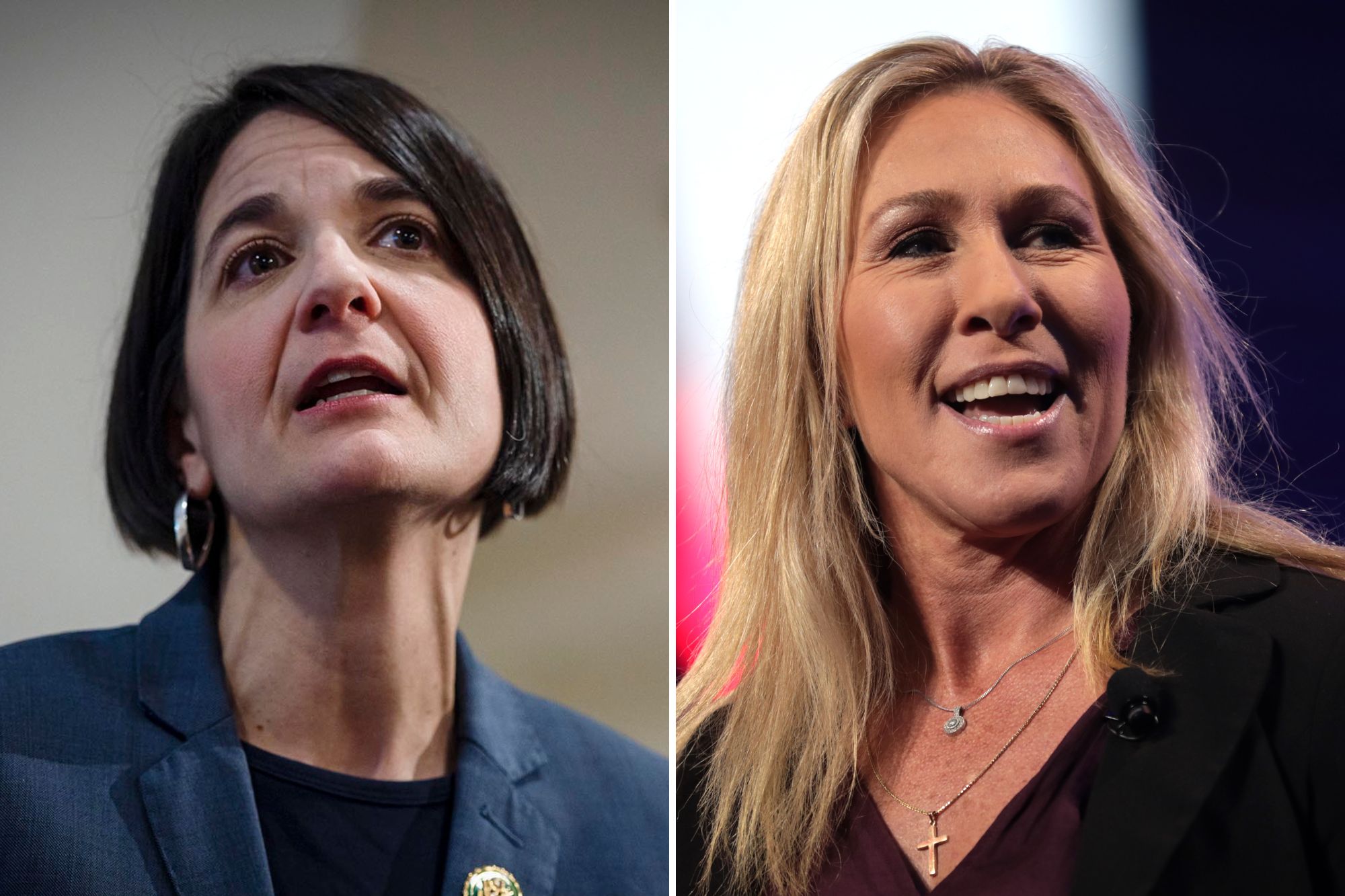
House Democrats have abandoned plans to vote on a resolution to censure Rep. Marjorie Taylor Greene after a coalition of Republicans and Democrats blocked a similar resolution against Rep. Rashida Tlaib. The two censure measures were seen as retaliatory actions. Greene had initiated the vote on Tlaib's censure, targeting her criticism of Israel, while Rep. Becca Balint had introduced a resolution to censure Greene for her controversial comments. Balint decided to hold back on the vote for now, acknowledging the Republicans who voted against the Tlaib resolution. Balint's resolution accuses Greene of promoting racism, antisemitism, hate speech, and conspiracy theories, including endorsing the 9/11 truther conspiracy theory and defending the Capitol rioters.
The House of Representatives voted to table a censure resolution against Democratic Rep. Rashida Tlaib for her criticism of Israel, with 23 Republicans joining Democrats in the 222-186 vote. The resolution, brought by Republican Rep. Marjorie Taylor Greene, accused Tlaib of "anti-semitic activity" and "sympathizing with terrorist organizations." Shortly after the motion to table the Tlaib resolution was successful, House Democrats pulled a resolution to censure Greene. Tlaib had drawn criticism for blaming Israel for a deadly hospital blast in Gaza, while Greene's resolution falsely alleged that Tlaib led an "insurrection" at the Capitol. A censure resolution does not have significant consequences beyond public condemnation.
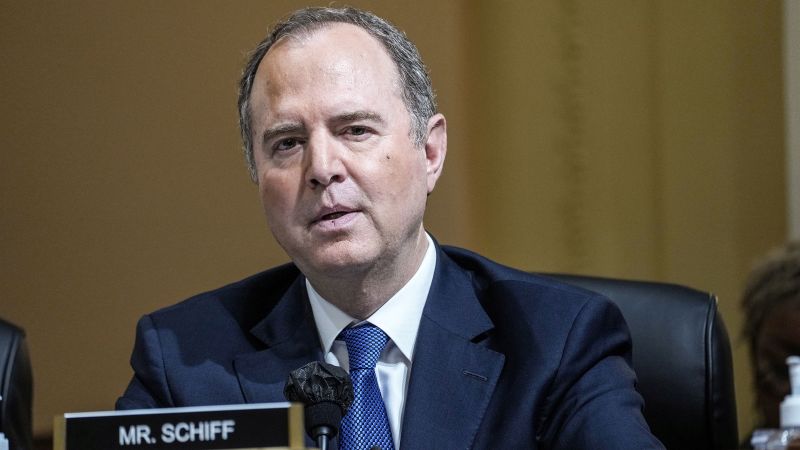
The House of Representatives is expected to vote on a GOP-sponsored censure resolution against Democratic Rep. Adam Schiff for his role in investigations of former President Donald Trump. The resolution accuses Schiff of making reckless and unsubstantiated claims and exploiting his position for political gain. Schiff called the resolution "false" and "defamatory" and warned that attempting to censure those who defend the Constitution against a corrupt president sets a dangerous precedent. Some Republicans have expressed misgivings about supporting the resolution, and Democrats are expected to offer a motion to kill it.