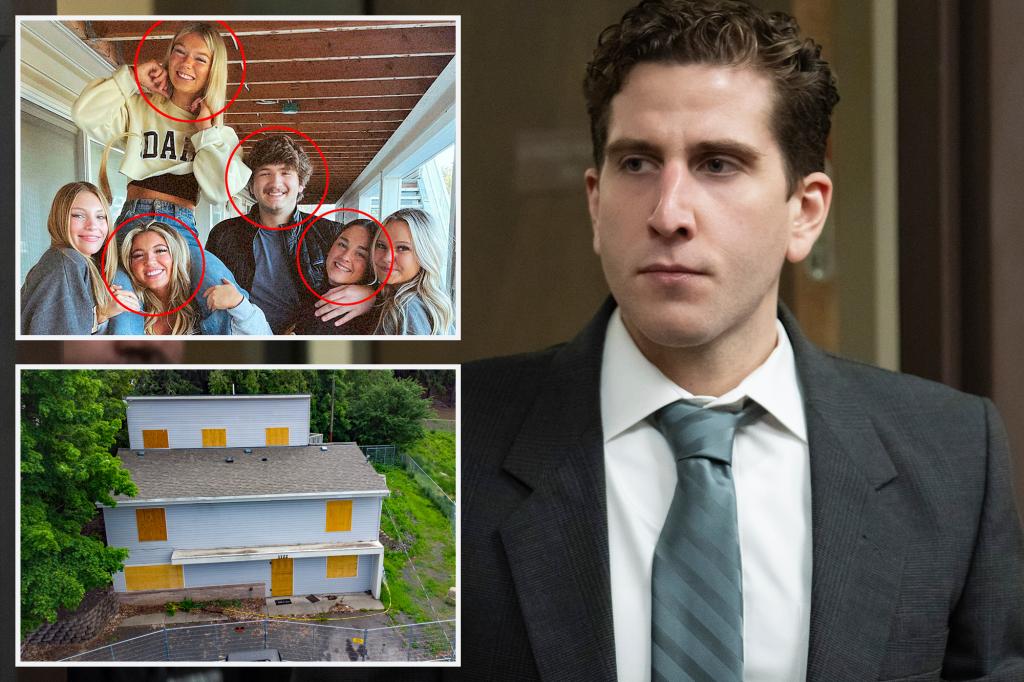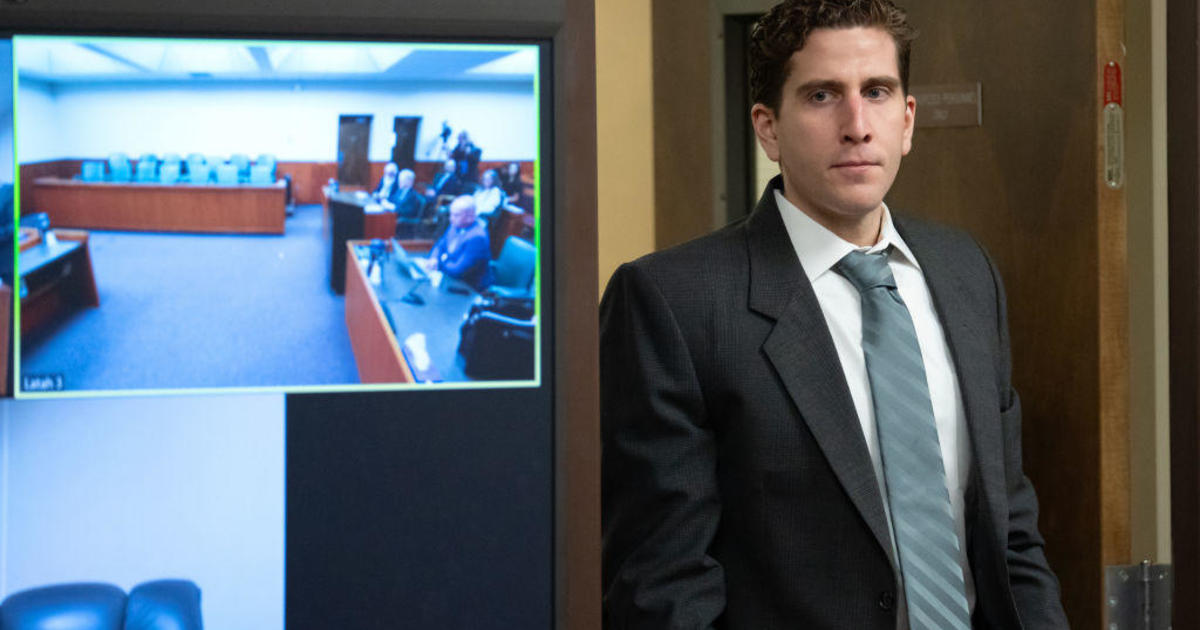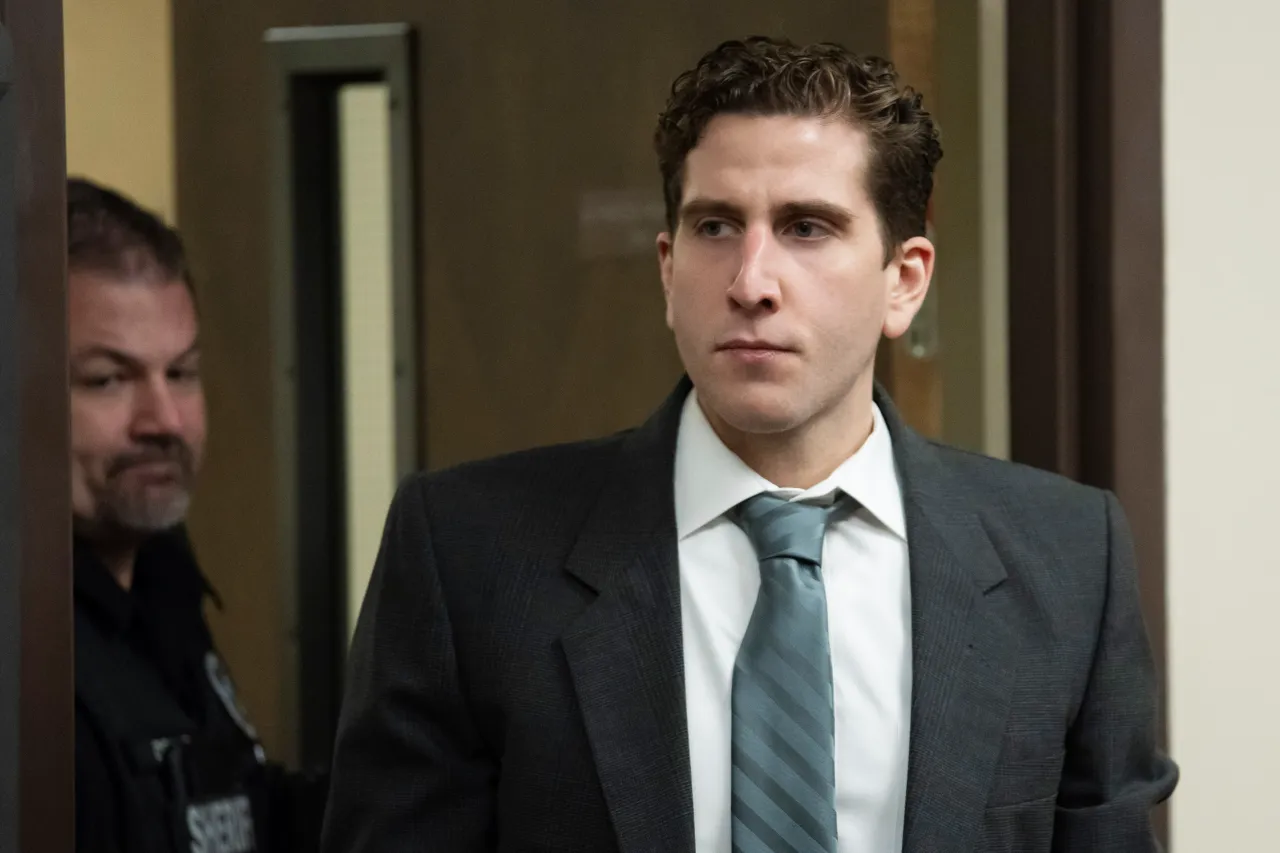
Bryan Kohberger, accused of killing four University of Idaho students, attended a pre-trial hearing where his defense questioned the completeness of evidence provided by prosecutors, including surveillance video and cell phone data. Prosecutors are seeking the death penalty, and both sides argue over the significance of cell phone pings and DNA evidence linking Kohberger to the crime scene. An official trial date has not yet been set.
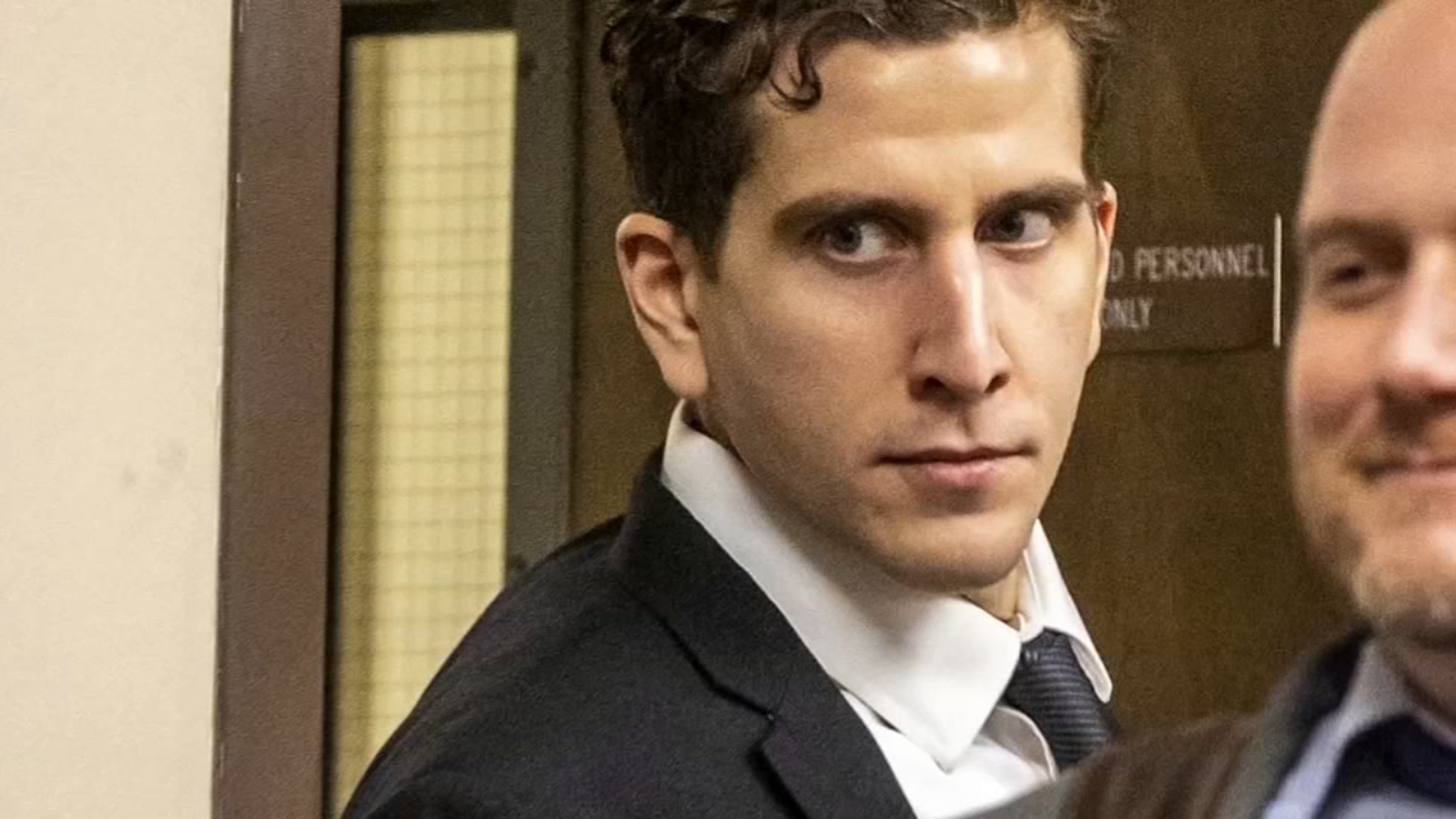
Bryan Kohberger, the suspected killer in the Idaho college murders, claims he was driving in a remote area and hiking in a park at the time of the murders, backed up by cell phone data. His lawyers plan to use cell tower data to show he was not near the crime scene. However, experts note that while cellphone records can estimate a person's location, it is difficult to pinpoint their exact whereabouts, especially in rural or remote areas.
Bryan Kohberger's defense team claims that cell phone data will prove he was driving miles away from the Idaho murder scene the night four college students were slain, emphasizing that an expert witness will testify to his mobile device being south of Pullman, Washington and west of Moscow, Idaho. They argue that his grueling academic schedule forced him to indulge in outdoor activities at night and threaten to reveal more details about his whereabouts unless the state shares more discovery. Kohberger, a criminology student at Washington State University, is accused of fatally stabbing the students and his defense has been filing motions to challenge the indictment and prolong the trial.
Bryan Kohberger's attorneys claim that cell phone tower data will show he was not at the location where four University of Idaho students were murdered in 2022. They assert that the data will demonstrate Kohberger's mobile device was south of Pullman, Washington and west of Moscow, Idaho at the time of the murders. Kohberger, a Ph.D. criminology student and teaching assistant, faces four counts of murder and a potential death penalty. His attorneys have also requested a change of venue for the trial, citing extensive pretrial publicity and the small size of the community as factors that could prevent a fair trial.
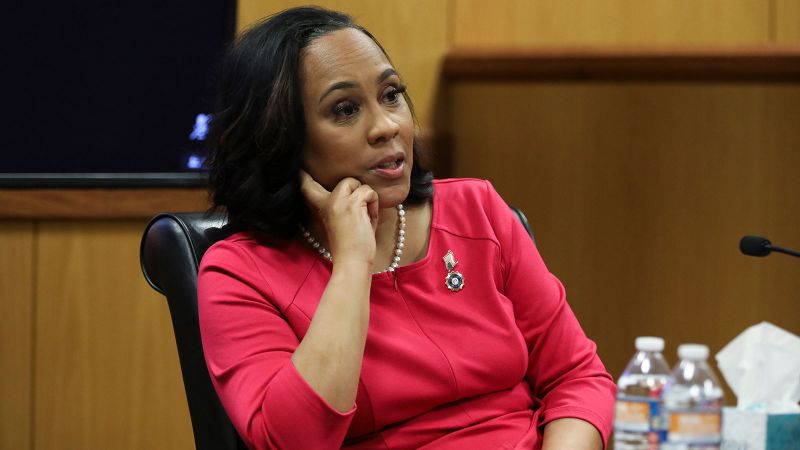
A private investigator working with Donald Trump's attorneys used subpoenaed cell phone data to allege that the lead prosecutor in the Georgia election subversion case against Trump, Fani Willis, had an improper romantic relationship with the investigator, Nathan Wade, prior to selecting him to lead the 2020 election investigation. The investigator claims to have identified over 12,000 interactions between Wade and Willis in 2021, including over 2000 voice calls, and alleges that Wade's phone was in close proximity to Willis's condo on at least 35 occasions. The court battle over whether Willis's office should be disqualified will resume on March 1, and the judge has denied a motion to block a review of potentially privileged communications related to the relationship.
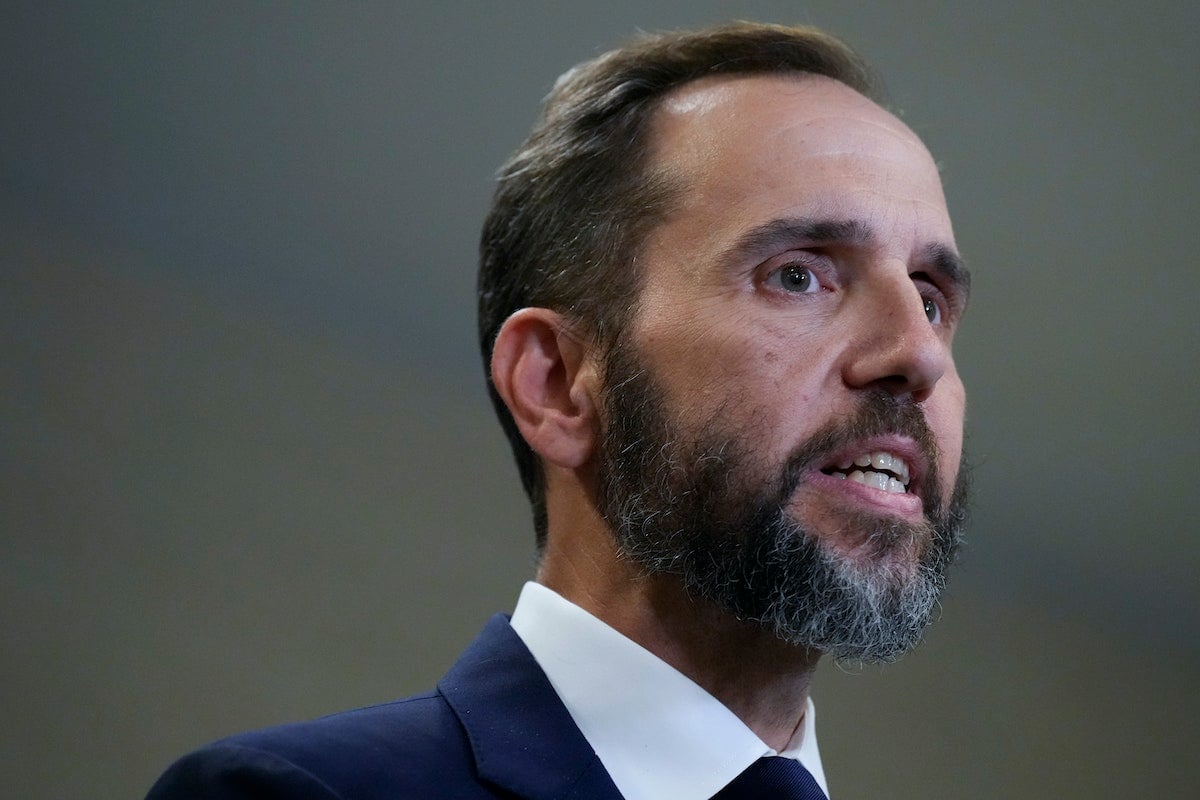
Special Counsel Jack Smith plans to use data from former President Trump's cell phone, including information on when his phone was unlocked and the Twitter application was open on January 6, 2021, in the upcoming trial against Trump for charges related to election interference. Smith intends to call expert witnesses who have analyzed the cellular phone data and reviewed images and websites visited on Trump's phone. The trial is set to begin on March 4, 2024. Additionally, Smith's team has obtained Trump's direct messages on Twitter, despite the company's efforts to block access. Smith has also asked the Supreme Court to rule on whether Trump can be prosecuted for his efforts to overturn the 2020 election results.
Special counsel Jack Smith plans to call three witnesses in Donald Trump's federal election subversion trial to present data extracted from Trump's cell phone during his time in the White House. The data will be used to track individuals' movements towards the Capitol on January 6 and analyze Trump's Twitter usage. The information could shed light on Trump's behavior leading up to and following the Capitol riot, as well as reveal who had access to his accounts and devices. The trial is scheduled to begin in March, but Trump's team is attempting to delay it.
The Department of Justice (DOJ) has obtained and reviewed data from former President Donald Trump's White House cell phone, which will be presented as evidence in his upcoming criminal trial. The DOJ's tech expert analyzed the phone's images and web history, specifically identifying the periods when Trump's phone was unlocked and the Twitter application was open on January 6, the day of the Capitol riot. The data could shed light on Trump's post-election activities and his use of Twitter to communicate with supporters. The DOJ's indictment cites several tweets sent by Trump during the riot, including attacks on former Vice President Mike Pence. The trial is scheduled for next spring, and Trump has also sought immunity from criminal prosecution, a request that the Supreme Court is considering.
Rapper YNW Melly, whose real name is Jamell Demons, is on trial for the double murder of two fellow rappers, Anthony Williams and Christopher Thomas, whom he allegedly killed and staged as a drive-by shooting in Miami. The trial has heard extensive testimony about cell phone data and DNA analysis. If convicted, Melly faces the death penalty.
Testimony resumed in the trial against rapper YNW Melly, who is accused of killing two of his friends and staging the murders as a drive-by shooting. Three witnesses testified about cell phone data, and the state, defense, and judge needed to determine what new evidence will be allowed in trial. Melly's friend, Cortlen Henry, also known as YNW Bortlen, claimed the victims were hit during a drive-by shooting, but investigators found evidence that the victims were shot in the car. Melly was arrested for two counts of first-degree murder in February 2019.
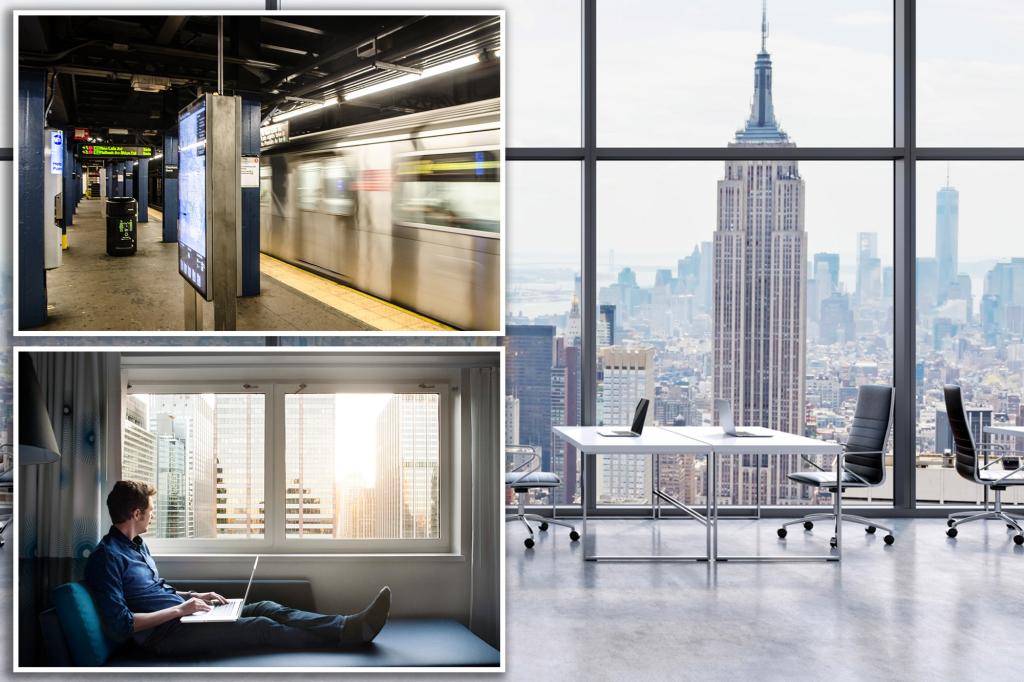
New York City will conduct a study on the impact of hybrid work on transportation and the economy using cell phone mobility datasets to understand present and future work-related and non-work-related trip behavior. The study will analyze data points provided by cell phones used in office buildings and other locations to better understand people's movements. The study is set to guide future decisions about the region's transportation network and economic growth strategy. The funding for the project is set at $501,789.