The article highlights the five smallest countries to have ever qualified for the FIFA World Cup, including Cape Verde, Iceland, Paraguay, Trinidad and Tobago, and Northern Ireland, with details on their populations and World Cup histories.
Tropical Storm Erin, located off Africa, is expected to strengthen into the first Atlantic hurricane of 2025, potentially impacting the Caribbean and U.S. east coast, amid concerns over climate change and recent storm-related fatalities in Cape Verde.
An EasyJet pilot was suspended after being seen drunk and naked at a hotel in Cape Verde, leading to an investigation and the grounding of the pilot before a scheduled flight, with airline officials emphasizing passenger safety as their top priority.
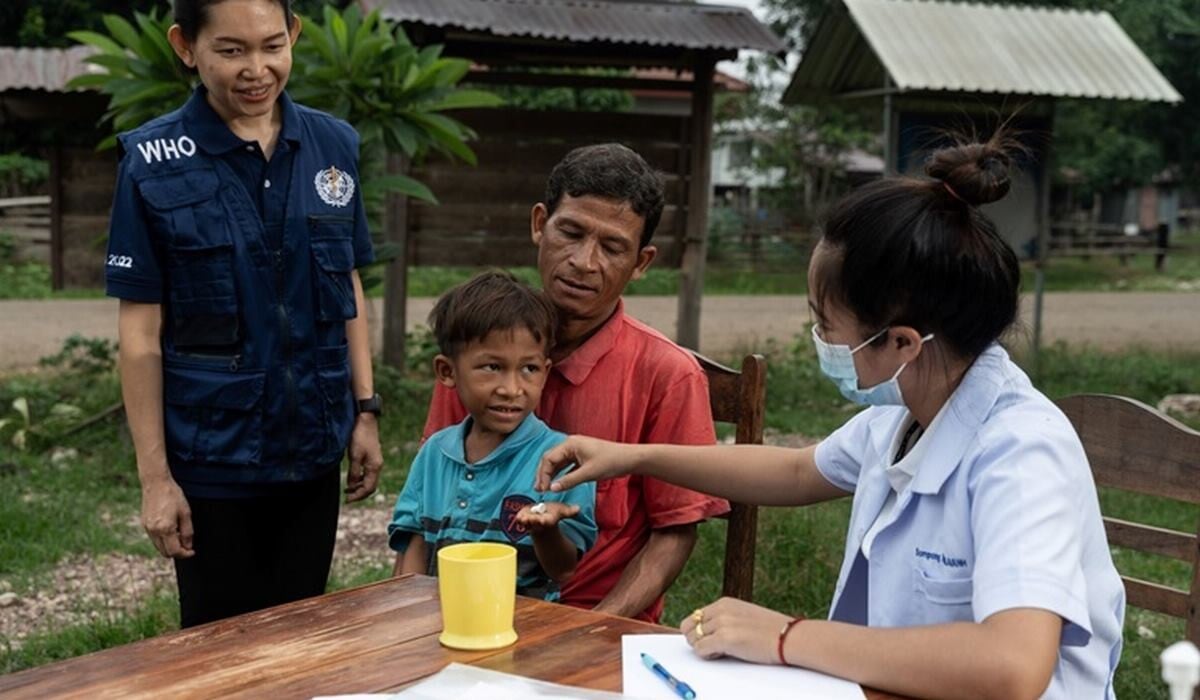
Cape Verde becomes the first African country in 50 years to eradicate malaria, with no cases of transmission for three years. The nation's strategies included focused preventative medication, active mosquito control, and improved testing and treatment. Lao People’s Democratic Republic also celebrated the successful eradication of lymphatic filariasis, a debilitating parasitic disease, becoming the 18th country in the Asian and Pacific tropics to do so.
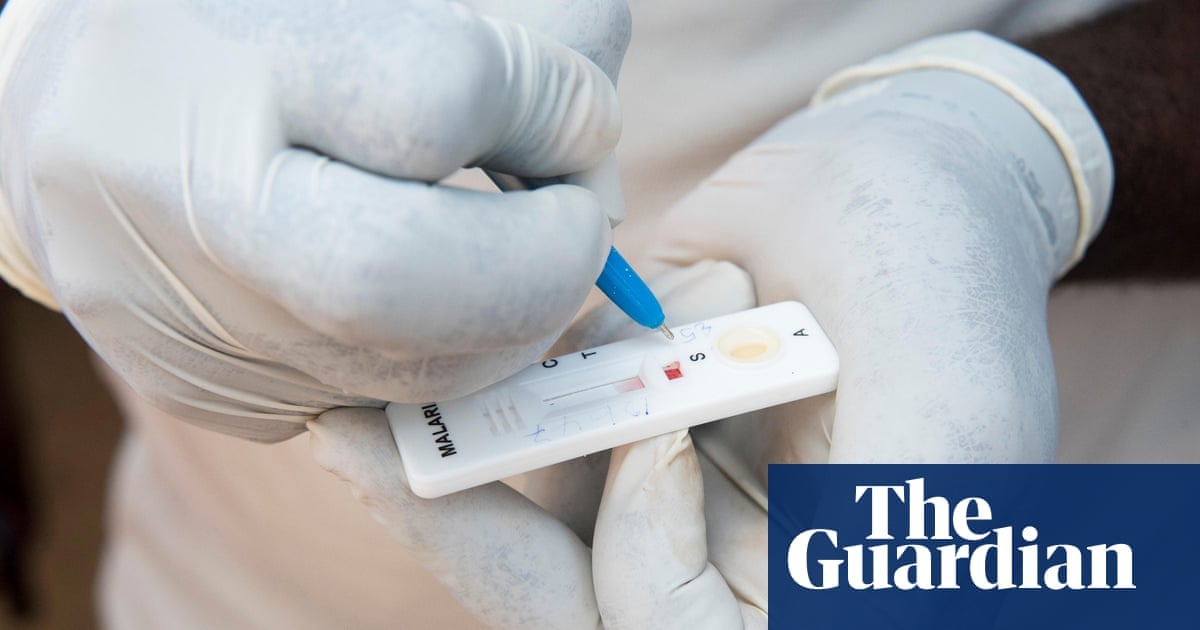
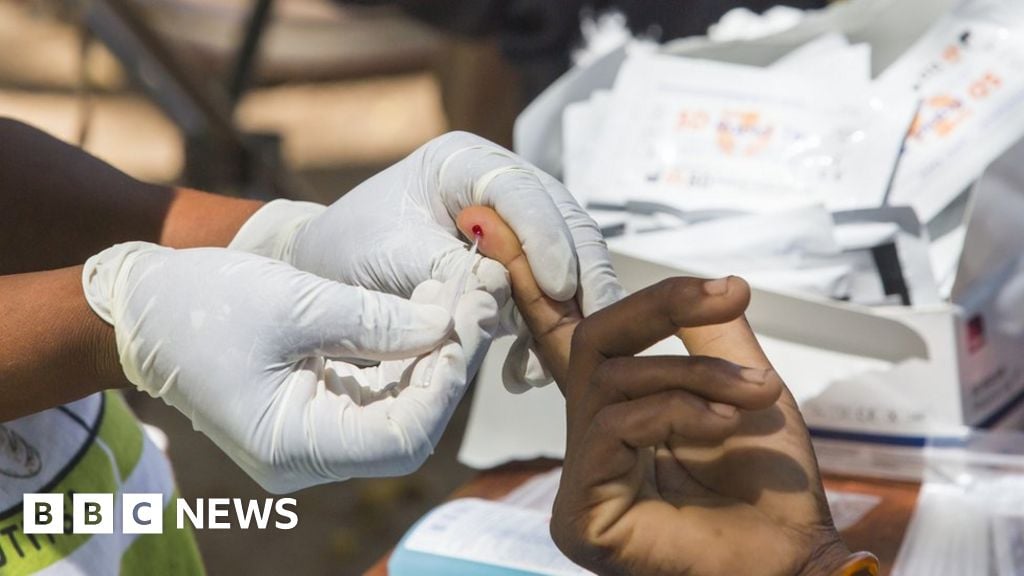
Cape Verde has become the fourth African country to eliminate malaria, with the WHO certifying its success in eradicating the disease. The country's efforts included free treatment and testing for all new arrivals, systematic surveillance of mosquito breeding sites, and the commitment of the government and people. This achievement is significant in the global fight against malaria, offering hope for a malaria-free world, especially with the approval and rollout of new vaccines.
Cape Verde has been declared malaria-free by the World Health Organization, marking the first time a sub-Saharan African nation has achieved this status in 50 years. The country's success is attributed to strengthening its health systems, increasing access to diagnosis and treatment, and implementing effective surveillance and mosquito control measures. This milestone serves as an example for other small countries, demonstrating that containment and elimination policies can work, and provides hope for a malaria-free world.
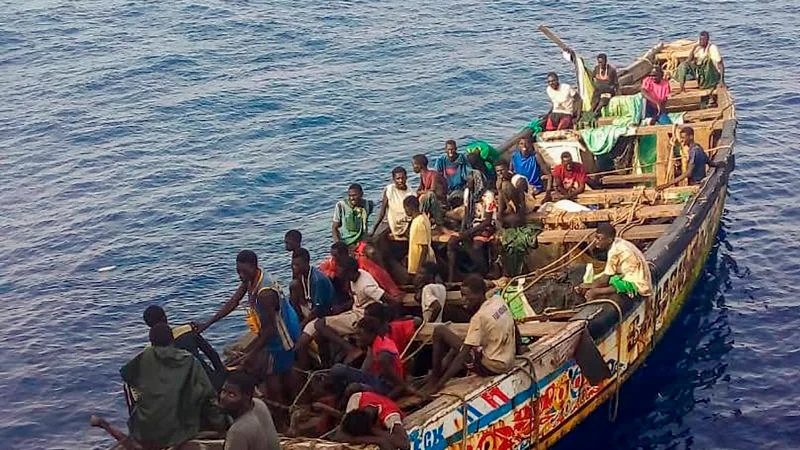
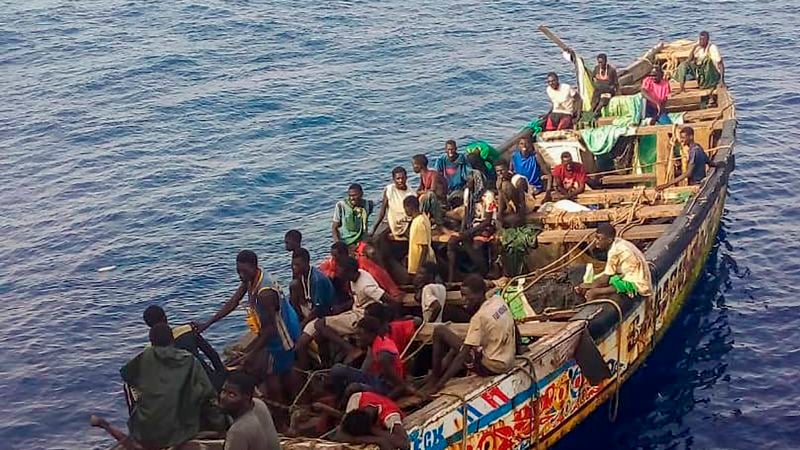
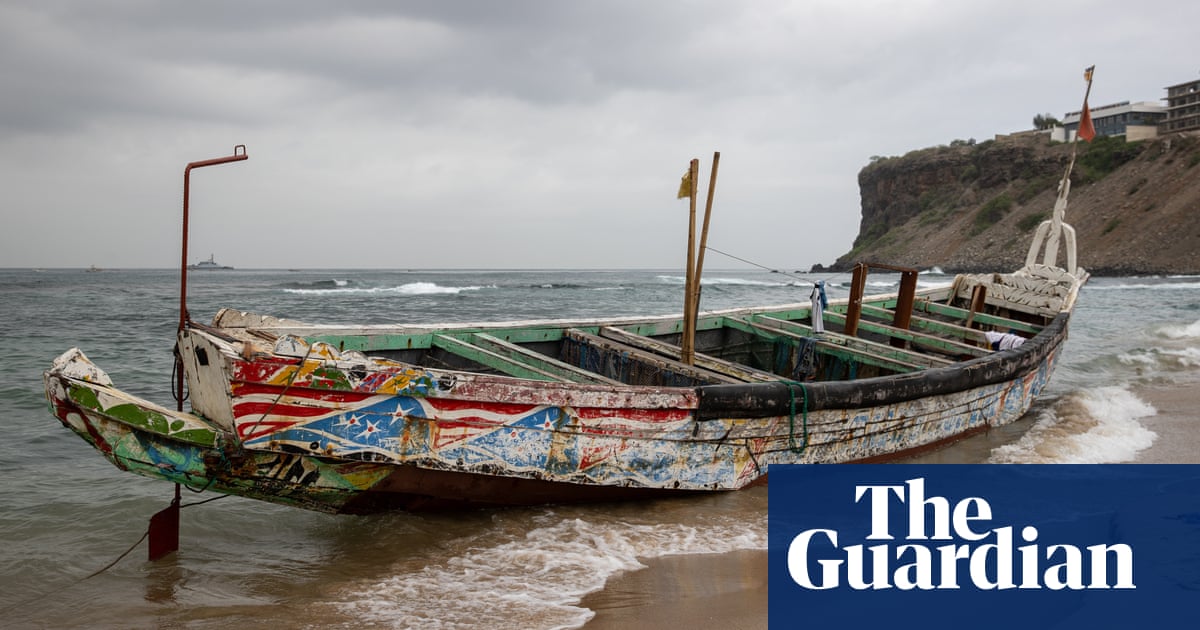
Senegalese authorities have repatriated 37 migrants who were rescued off the coast of Cape Verde after their boat ran out of fuel in the Atlantic Ocean. The survivors, mainly from the fishing village of Fass Boye, had been stranded for weeks and were too weak to stand upon their return. The boat had left Senegal on July 10 as part of the treacherous journey to the Canary Islands, a common route for African migrants seeking to reach Spain. Only 38 people were rescued out of the 101 passengers, and seven bodies have been recovered so far. Thousands of migrants attempt the dangerous crossing each year, with hundreds losing their lives in the process.
Spanish human rights NGO, Caminando Fronteras, has accused four national authorities and the European Union's border patrol agency, Frontex, of failing to prevent the deaths of dozens of migrants off West Africa. The NGO alleges that despite being warned about the boat weeks before, the authorities did not make sufficient efforts to rescue the migrants. At least 60 people are presumed dead, but Caminando Fronteras believes the death toll is 92, with 130 people on board the boat when it left Senegal. The NGO claims that survivors ran out of oil, food, and water, and if the authorities had searched for them, no one would have died. Caminando Fronteras also alleges that Frontex, while active in the region, does not provide assistance when required. The relevant authorities and Frontex have not yet responded to the allegations.
At least 60 migrants from Senegal are feared dead after a Spanish fishing vessel rescued a boat off the coast of Cape Verde. Seven bodies were found on the boat, and an estimated 56 people are missing at sea. The boat, a large fishing boat called a pirogue, had left Senegal on July 10. The route from West Africa to Spain is one of the world's most dangerous, and the number of migrants leaving from Senegal has surged over the past year. Nearly 1,000 migrants have died while trying to reach Spain by sea in the first six months of 2023.
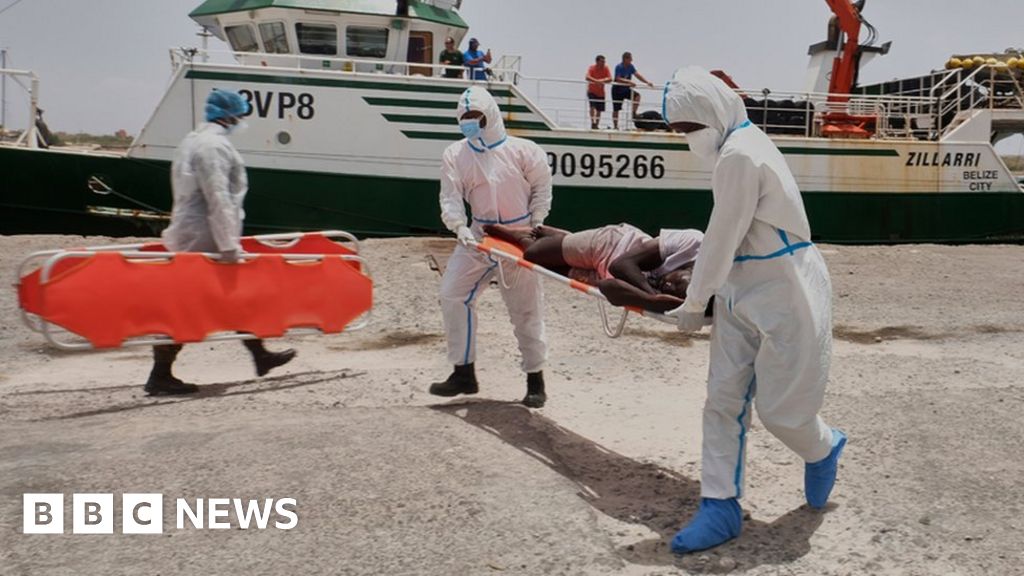
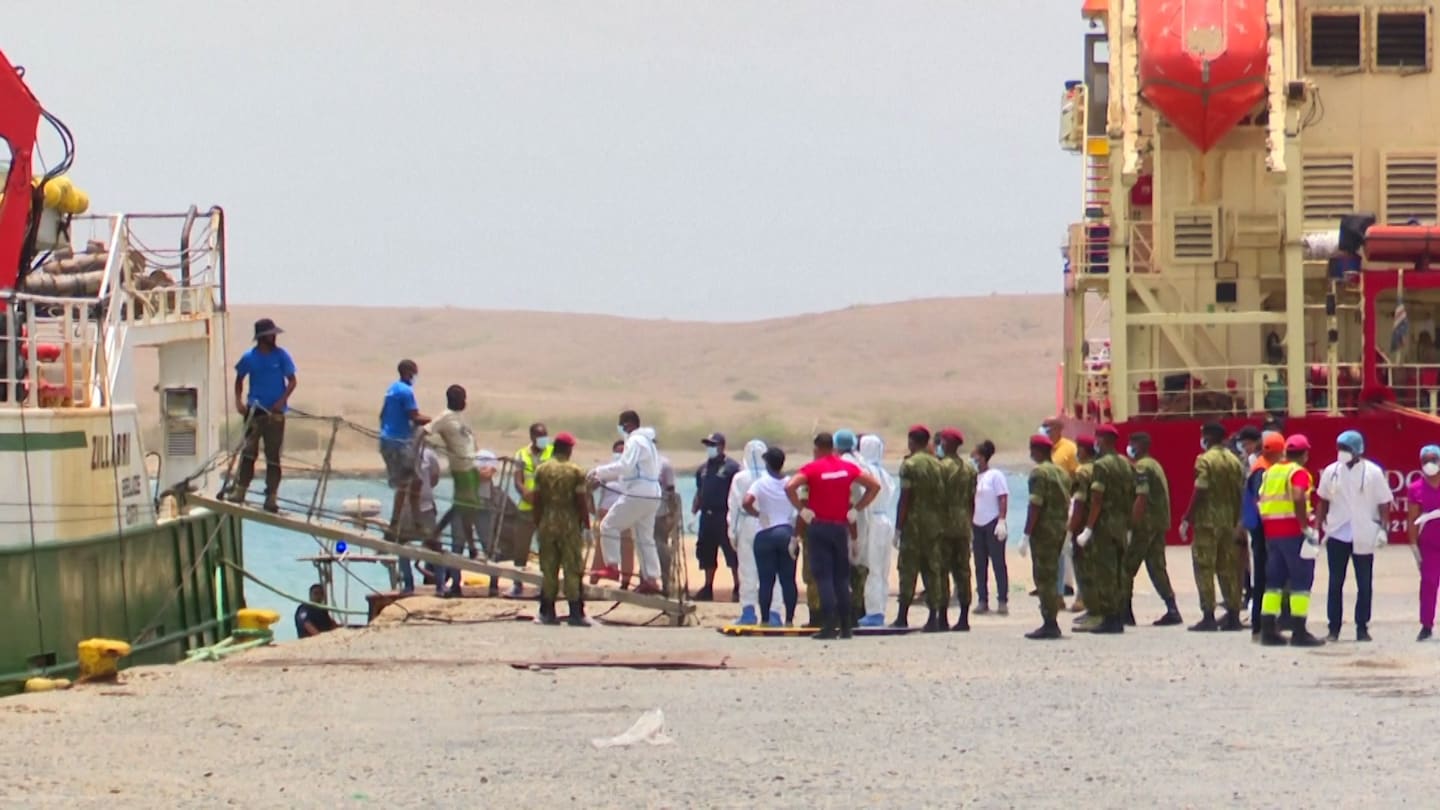
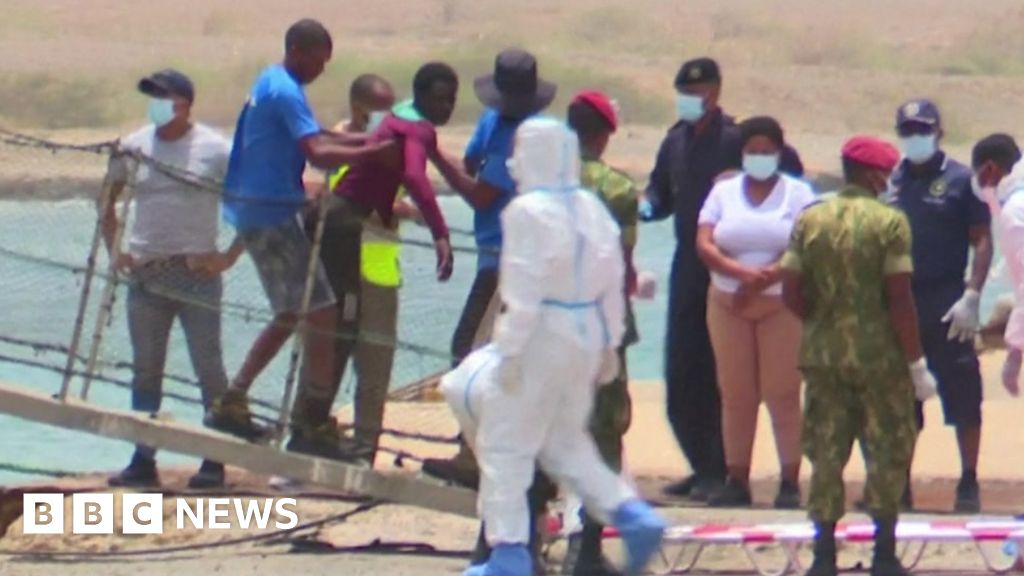
More than 60 people, mostly from Senegal, are feared dead after a boat carrying migrants bound for Spain was found off Cape Verde. The brother of one of the victims, Mamour Ba, revealed that his family was trying to reach Spain due to the lack of opportunities in Senegal. Despite the tragedy, Mamour Ba still plans to attempt the journey himself, as he believes it is impossible to make a living in Senegal. The survivors, including children, were rescued and brought ashore on the island of Sal. The incident has sparked anger in the community, highlighting the frustration and lack of opportunities for young people in Senegal.
More than 60 people are feared dead after a migrant boat, carrying 101 people, was discovered off the coast of Cape Verde, a month after leaving Senegal. Seven bodies have been recovered, and 38 survivors, including four children, have been rescued. The International Organization for Migration (IOM) estimates that roughly 63 people have perished in the tragedy. The boat's intended destination is unknown, but many migrants attempt to reach the Spanish Canary Islands from the West African coast. The number of people attempting this dangerous route has increased, driven by factors such as economic hardships and limited legal migration channels.
At least 63 asylum seekers are feared dead after a boat carrying over 100 passengers from Senegal was found drifting off Cape Verde. The vessel was located by a Spanish fishing boat, and 38 survivors, including four children, were rescued. The Atlantic migration route from west Africa to the Canary Islands is known to be one of the world's deadliest, with hundreds of deaths recorded this year. The International Organization for Migration (IOM) highlighted the lack of safe and regular migration pathways, which allows smugglers and traffickers to exploit desperate migrants.
More than 60 migrants are feared dead after a boat carrying an estimated 100 people, mostly from Senegal and Sierra Leone, was found drifting off the coast of Cape Verde. Thirty-eight people, including children, were rescued. The boat had been at sea for a month, and it is not clear when the incident occurred. Cape Verde is a maritime migration route to the Spanish Canary Islands, often used as a gateway to the European Union. The lack of safe and regular migration pathways contributes to the dangers faced by migrants attempting these deadly journeys.