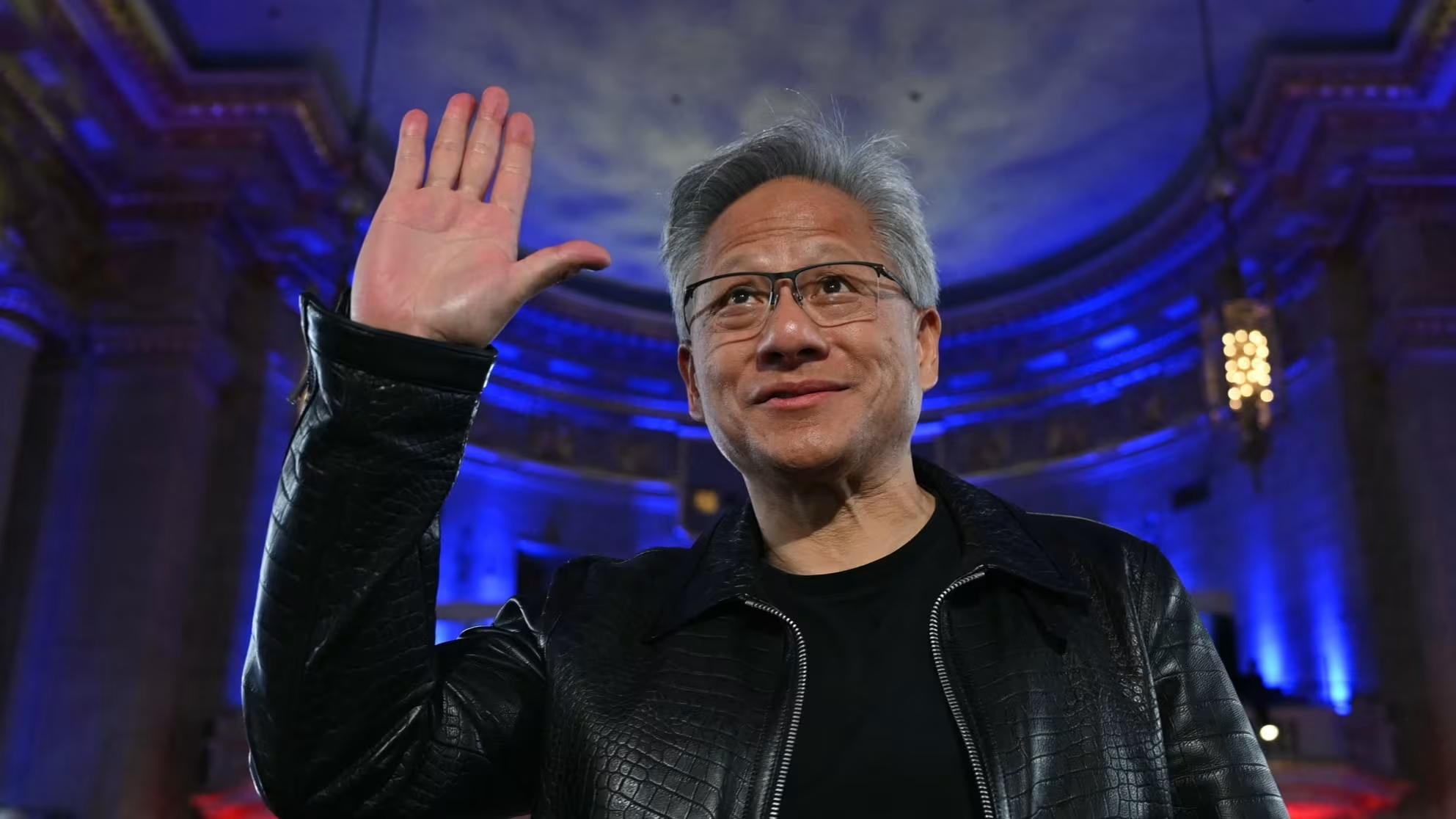
The article discusses how Jensen Huang, CEO of NVIDIA, managed to win over Donald Trump, highlighting his leadership and influence in the tech industry. It also promotes various subscription plans for the Financial Times.
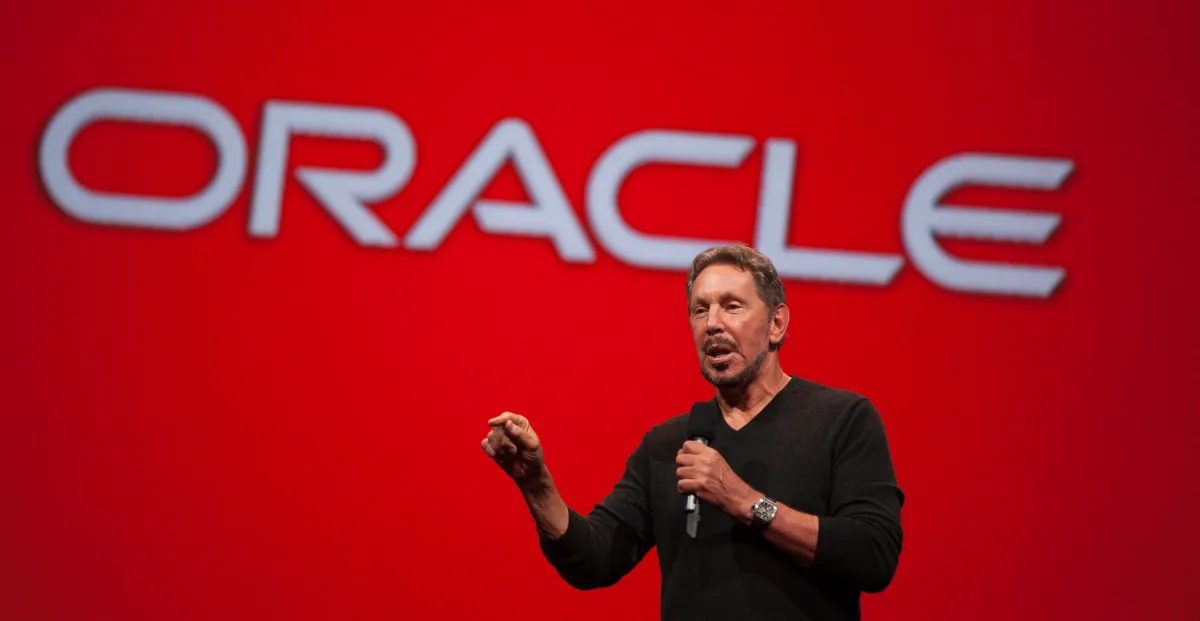
Larry Ellison, the founder of Oracle, has transitioned from a low-profile tech pioneer to a media mogul in his 80s, expanding his influence beyond enterprise technology into media ventures, despite a reputation for ruthless business tactics.
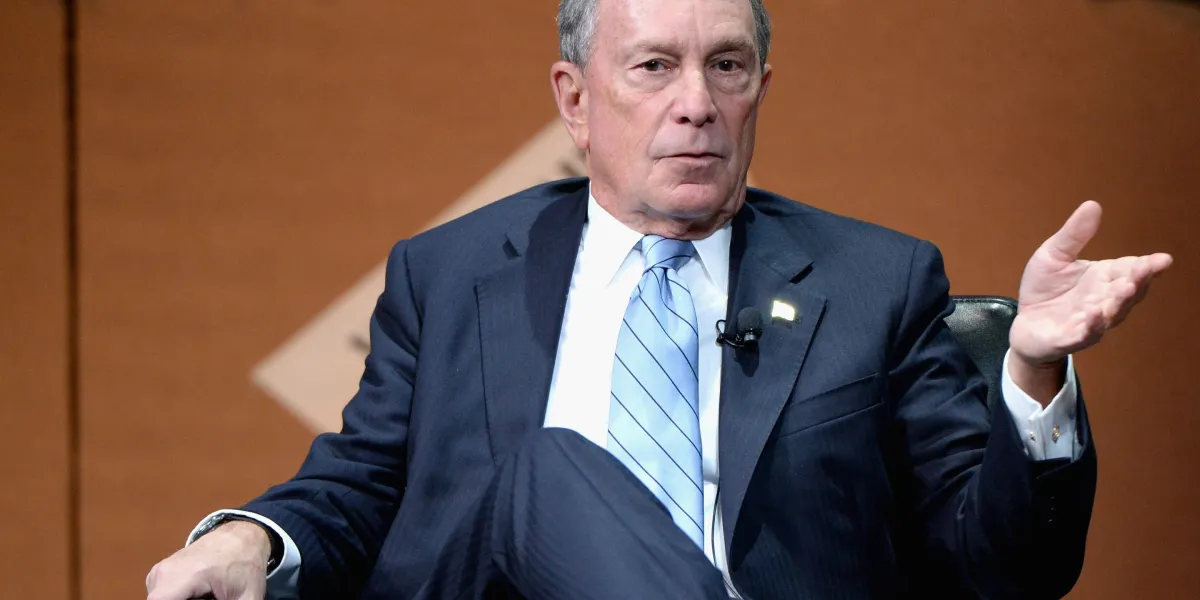
Mike Bloomberg was fired after 15 years at Salomon Brothers, an experience that taught him resilience and adaptability, leading him to found Bloomberg LP and become a successful billionaire and influential leader.
Alan Hassenfeld, former CEO of the toy company Hasbro and member of the founding family, has passed away at age 76. He played a significant role in the company's growth and was known for his philanthropy and dedication to children's welfare. His death was announced by Hasbro, but details about the cause and circumstances remain unclear.
Leonard Lauder, a legendary figure in the beauty industry and the driving force behind Estée Lauder's global success, has died at age 92. He was renowned for his innovative leadership, passion for product and branding, and his contributions to art collecting, notably donating his Cubist collection to the Metropolitan Museum of Art. Lauder's vision and mentorship shaped the prestige beauty business and left a lasting legacy in both industry and art.
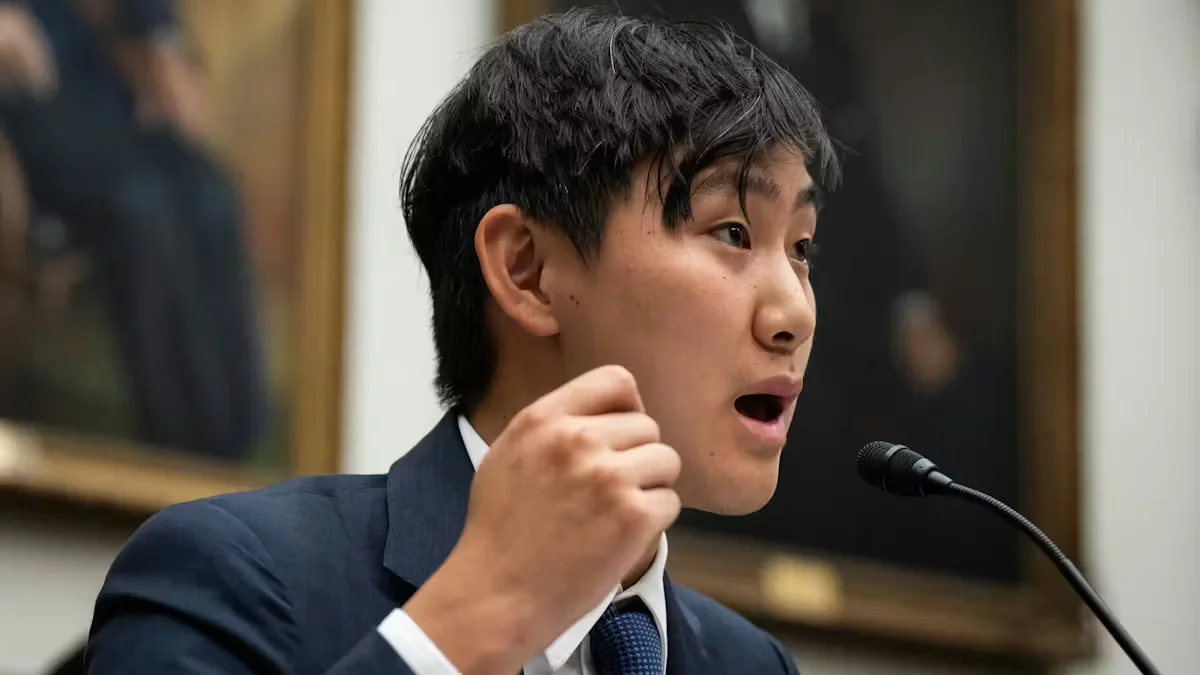
Meta is set to pay nearly $15 billion to acquire a stake in Scale AI, a startup led by a 28-year-old CEO, highlighting significant investment and interest in AI technology.
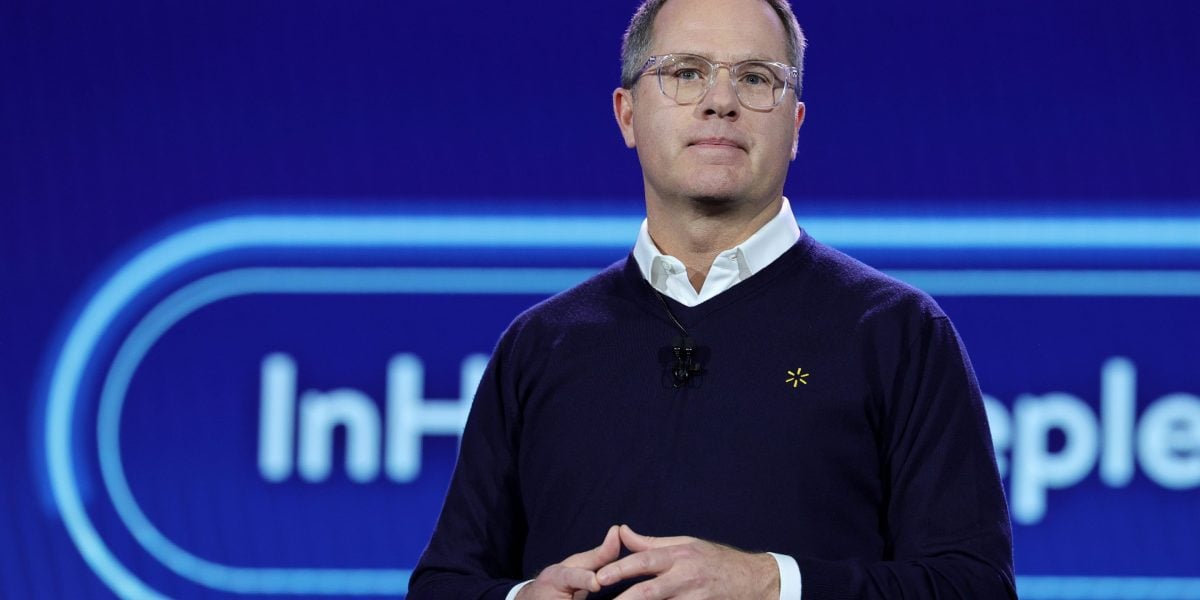
Walmart CEO Doug McMillon, who started his career unloading trailers and was rejected by top business schools, shares three key tips for success: live in the moment, align your job with your passions, and trust and believe in people.
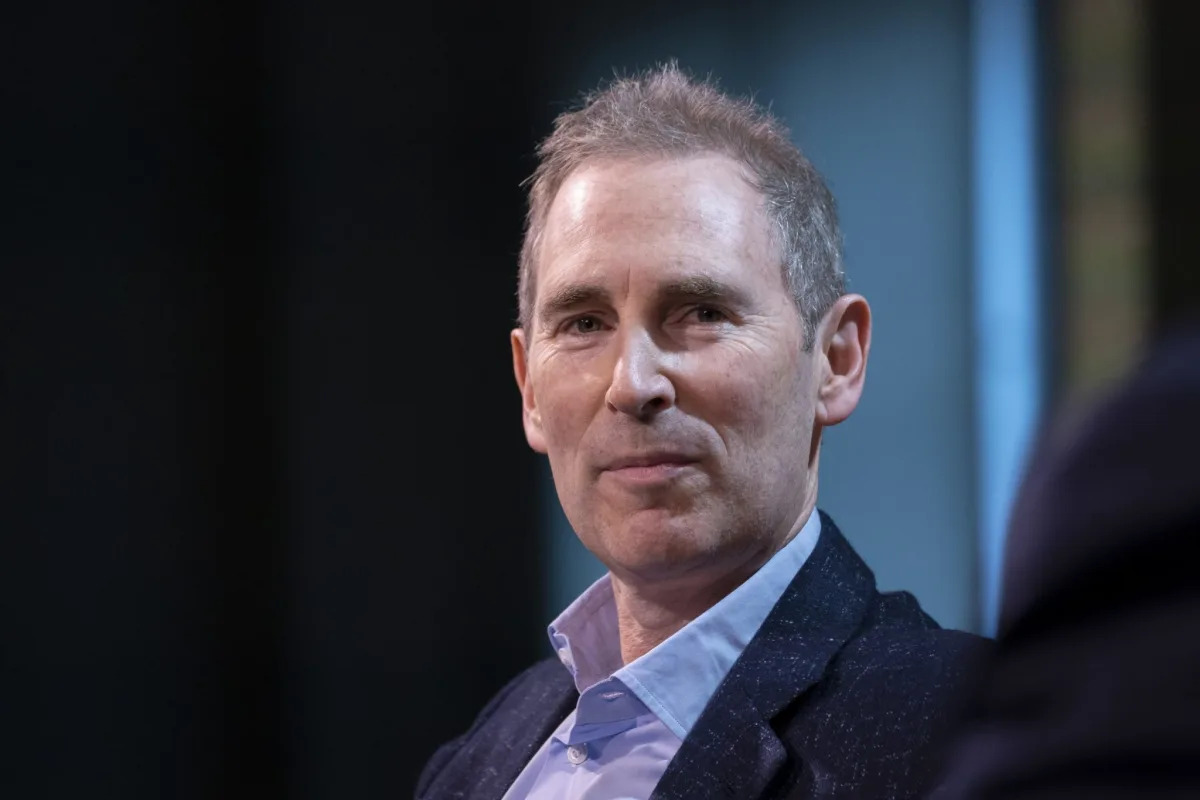
Amazon CEO Andy Jassy praises his predecessor Jeff Bezos as the "most unusual business leader of our era," acknowledging the unique challenges he faces at the helm of the company. Jassy, known for his diplomatic approach, has inherited issues from Bezos, including streaming losses and slowing sales growth. Despite this, his mission to steady the company has been successful, with plans to focus on growing subscription-based health care provider One Medical and Prime streaming services, as well as Project Kuiper to expand broadband connections in rural communities.
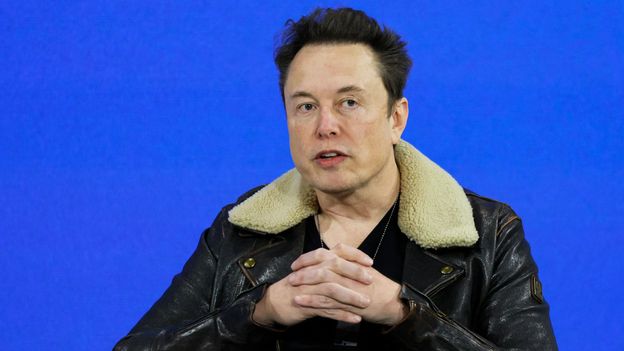
The year 2023 saw several cautionary tales of business leadership, with CEOs making missteps that led to negative consequences for their organizations. Examples include Grindr's inflexible return-to-office policy that resulted in a loss of talent and a tarnished public image, Reddit's decision to charge for API access and enforce data-rate limits, which alienated its userbase, General Motors CEO Mary Barra underestimating worker solidarity during a strike, Warner Bros Discovery CEO David Zaslav's dramatic cost-cutting measures that led to backlash and strikes, and Elon Musk's unconventional leadership at X (formerly Twitter) that resulted in a loss of advertising revenue and declining user engagement. These examples highlight the importance of effective communication, understanding employee needs, and considering the impact of decisions on stakeholders in modern business leadership.
Fortune has identified 11 up-and-coming CEO stars, ranging in age from 33 to 56, who possess qualities such as vulnerability, humility, and self-awareness, which are essential to handle the unprecedented challenges of today's shifting corporate landscape. The identified CEOs come from diverse backgrounds, including tech, health care, and unconventional resumes, and are potential large-company CEOs.
Starbucks' new CEO, Laxman Narasimhan, announced that he will work in stores for half a day each month to stay close to the company's culture, customers, and challenges. This unusual move is emotionally intelligent, as it builds empathy and provides valuable opportunities for company leaders to engage with employees and customers. By working with entry-level employees, Narasimhan can learn what's important to them, what can help them do their jobs more effectively, and what specific challenges they're facing. Additionally, he can interact directly with core customers to ask questions and gain insights that surveys and data cannot provide. Every company can learn from this approach to support employees, learn from customers, and run a better business.