Tag

Brain Swelling

All articles tagged with #brain swelling

Rising Cases of Deadly Flu-Related Brain Swelling in Children

Originally Published 5 months ago — by NBC News

Featured image for Rising Cases of Deadly Flu-Related Brain Swelling in Children
Source: NBC News

A rare but severe flu complication called acute necrotizing encephalopathy (ANE) is increasing among children, with recent cases rising during the past flu seasons. ANE causes rapid brain swelling, seizures, and can be fatal or lead to long-term disabilities. Most affected children are around age 5, and the condition often progresses quickly from mild flu symptoms to neurological emergencies. Experts emphasize the importance of flu vaccination, especially as vaccination rates are currently low, to prevent such severe complications. Early recognition of symptoms is crucial for timely treatment.

"Tragic Loss: 2-Year-Old Becomes 5th Victim of Rare Pigeon Virus"

Originally Published 2 years ago — by New York Post

Featured image for "Tragic Loss: 2-Year-Old Becomes 5th Victim of Rare Pigeon Virus"
Source: New York Post

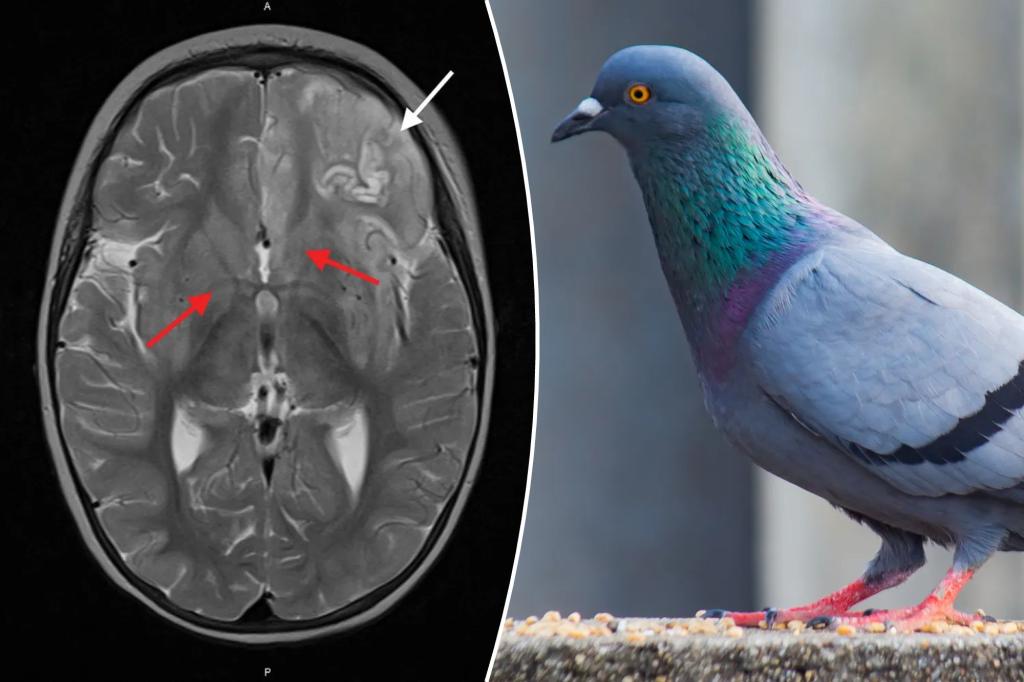
A 2-year-old girl in Australia has died from a rare virus typically affecting pigeons, becoming the fifth known person to succumb to the illness. The toddler had recently completed chemotherapy for leukemia and experienced symptoms including nausea, vomiting, and seizures. Despite extensive testing, doctors initially found no cause for her deteriorating condition. After her death, it was discovered that she had a severe strain of avian paramyxovirus-1, which causes Newcastle disease. This case highlights the connection between leukemia treatment, infectious triggers, and neurological complications, particularly in young patients.

Woman Hospitalized for 6 Months After Sniffing Spicy Pepper

Originally Published 2 years ago — by Times of India

Featured image for Woman Hospitalized for 6 Months After Sniffing Spicy Pepper
Source: Times of India

A 25-year-old woman from Brazil has been hospitalized for six months after sniffing a potent variety of pickled goat pepper, resulting in severe brain swelling. The woman experienced an itchy throat, which quickly escalated, leading to her admission to the hospital. Medical tests revealed edema and severe brain swelling, believed to be triggered by an allergic reaction to the pepper. The woman also had pre-existing bronchitis and asthma, complicating her recovery. Despite being initially discharged, she was readmitted due to health complications. The uncertainty of her recovery remains.

Spicy Pepper Sniffing Sends Woman to Hospital

Originally Published 2 years ago — by New York Post

Featured image for Spicy Pepper Sniffing Sends Woman to Hospital
Source: New York Post

A Brazilian woman, Thais Medeiros, is still hospitalized six months after sniffing a super spicy chili pepper, which caused severe brain swelling. The incident occurred while she was helping her boyfriend cook dinner, and she fell ill with an itchy throat before being rushed to the hospital. Tests revealed an allergic reaction to the pepper, resulting in brain edema. Thais spent several days in a coma and has since experienced complications, including a high fever and bronchospasm. She is currently unable to speak or walk, and doctors are concerned about her ability to resume normal activities due to neurological problems caused by oxygen deprivation.

Tragic Death of Seven-Year-Old Girl from Mosquito Bite

Originally Published 2 years ago — by Daily Mail

Featured image for Tragic Death of Seven-Year-Old Girl from Mosquito Bite
Source: Daily Mail

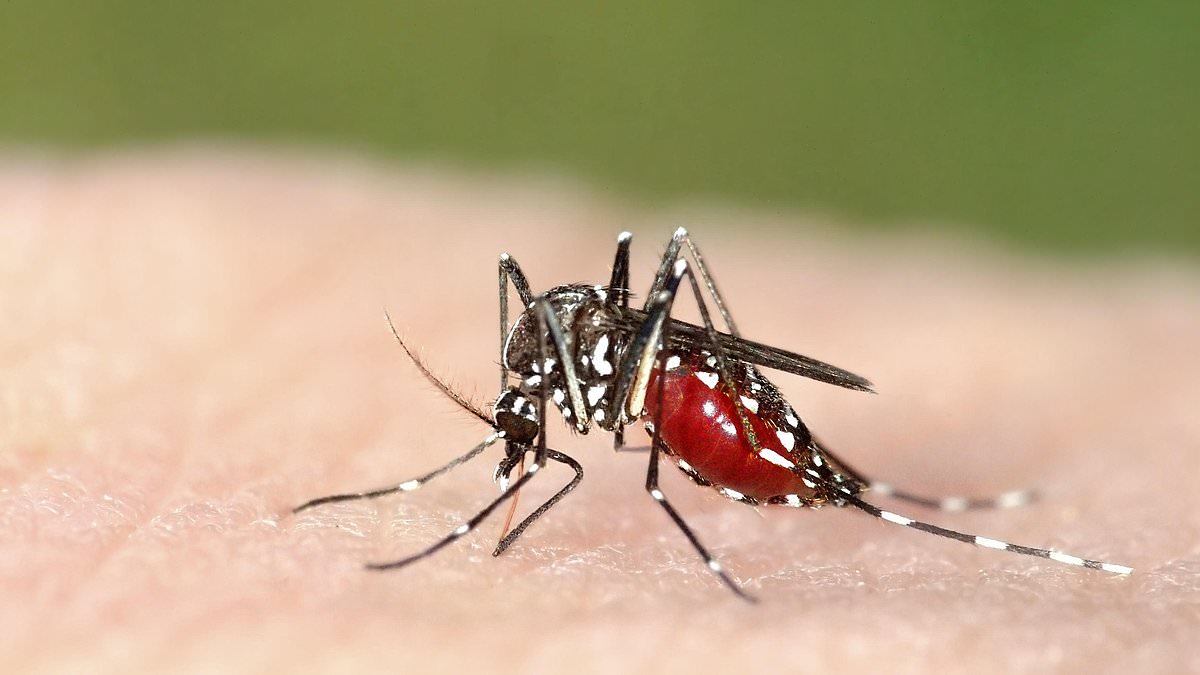
A seven-year-old girl in Alabama has died from eastern equine encephalitis (EEE), a rare virus transmitted through mosquito bites that causes life-threatening brain swelling. This marks the first reported death linked to the virus in Alabama this year. EEE kills up to one in three of those it infects and is primarily transmitted by mosquitoes that pick up the virus from birds. The virus has also been detected in horses in New York. In addition to EEE, there have been cases of locally-transmitted malaria in Florida and Texas, as well as two cases of the rare mosquito-carried Jamestown Canyon virus in Michigan. Efforts are being made to control the mosquito population and identify the species carrying the infection in Alabama.

Rare, Deadly Disease-Carrying Mosquitoes Found in Michigan

Originally Published 2 years ago — by Detroit Metro Times

Featured image for Rare, Deadly Disease-Carrying Mosquitoes Found in Michigan
Source: Detroit Metro Times

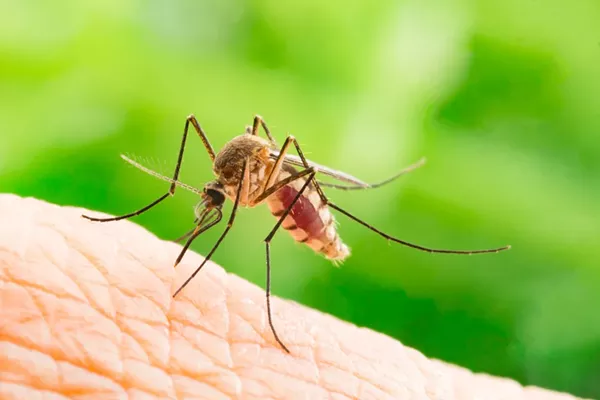
Mosquitoes carrying Eastern Equine Encephalitis (EEE), a rare and deadly mosquito-borne disease that causes brain swelling in humans, have been detected in Michigan. EEE has a 33% fatality rate in humans and is transmitted through the bite of an infected mosquito. Symptoms include headache, fever, chills, body and joint aches, vomiting, and tremors, with potential complications such as seizures, coma, and death. Precautions advised by state officials include using mosquito repellent, wearing long sleeves and pants in wooded areas, and eliminating standing water. Michigan has reported the highest number of EEE cases in the US, with a major outbreak in 2019 resulting in 10 human cases and six deaths.

Dianne Feinstein's Shingles Complications Raise Concerns.

Originally Published 2 years ago — by The New York Times

Featured image for Dianne Feinstein's Shingles Complications Raise Concerns.
Source: The New York Times

Senator Dianne Feinstein, 89, developed post-shingles encephalitis, a rare and potentially debilitating complication in which the brain swells, after recovering from shingles. The condition can cause headache, fever, sensitivity to light, vomiting, confusion, a stiff neck, or even seizures, and can leave patients with lasting problems such as memory or language trouble, sleep disorders, mood disorders, walking difficulty, and other cognitive problems. The condition is estimated to affect fewer than 1% of shingles patients, but precise rates are difficult to determine. Shingles can also contribute to cognitive decline in other ways, including by damaging blood vessels of the brain.

Eli Lilly's Alzheimer's Drug Shows Promise in Slowing Cognitive Decline.

Originally Published 2 years ago — by The New York Times

Featured image for Eli Lilly's Alzheimer's Drug Shows Promise in Slowing Cognitive Decline.
Source: The New York Times

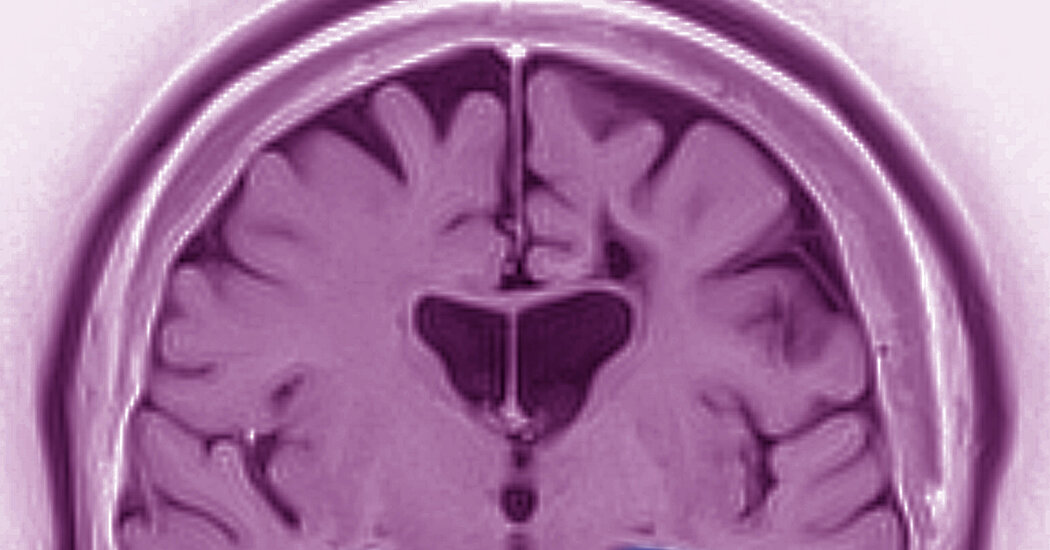
Eli Lilly's clinical trial of an experimental Alzheimer's drug, donanemab, showed it can slow the progress of the disease and allow patients to have longer periods of independent living. The drug is not a cure and comes with significant side effects, including a risk of brain swelling that can result in death. However, the results may be a turning point in the long and frustrating quest to find an Alzheimer's treatment. The drug attacks amyloid, bolstering the hypothesis that the disease is driven by hard, Brillo-like plaques in the brain made of amyloid protein.