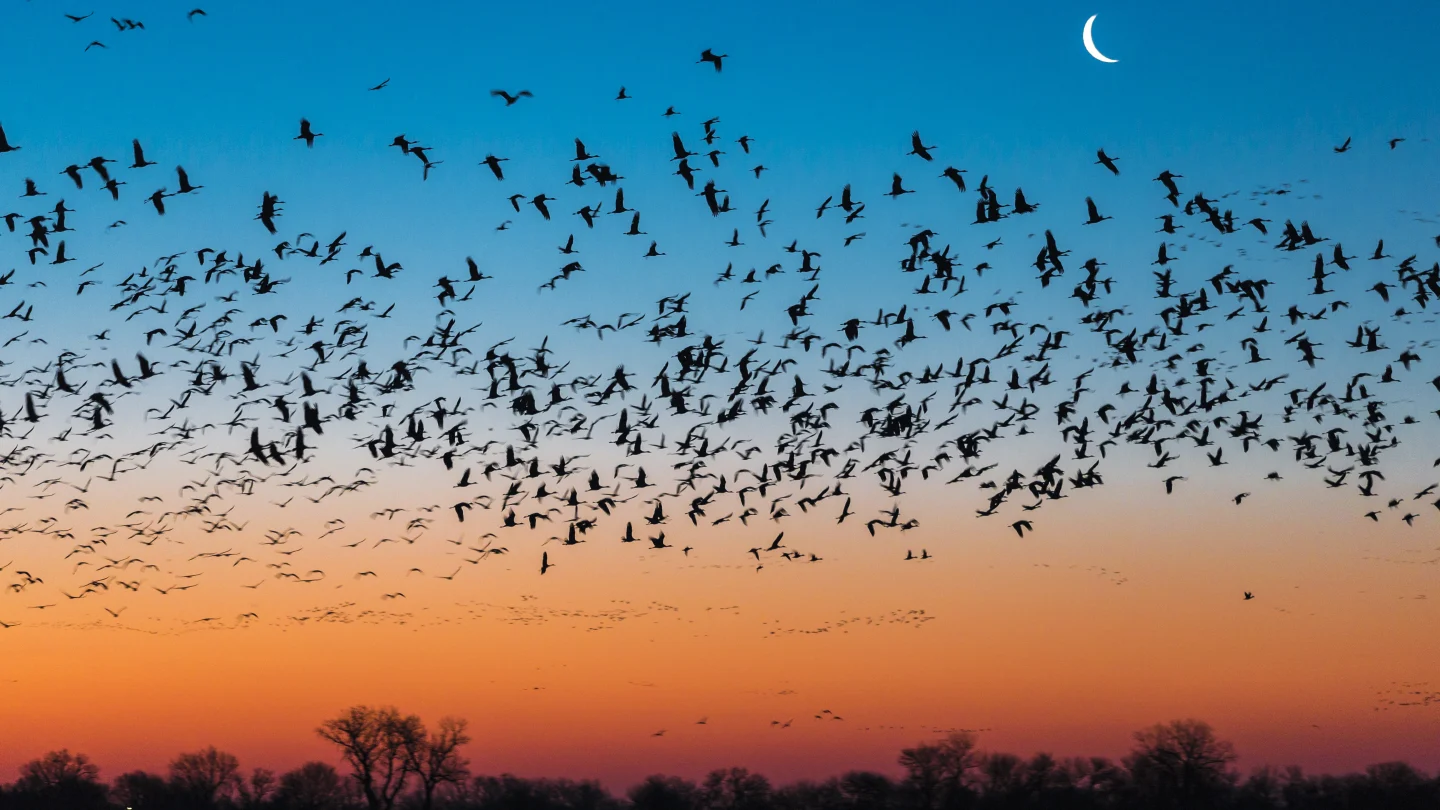
Birds navigate their long migrations using a combination of senses including sight, smell, the sun, stars, Earth's magnetic field, and polarized light, with different cues being more important depending on conditions and time of day. Their ability to find their way is driven by genetic predisposition and complex sensory mechanisms that scientists are still studying, which has implications for bird conservation efforts.
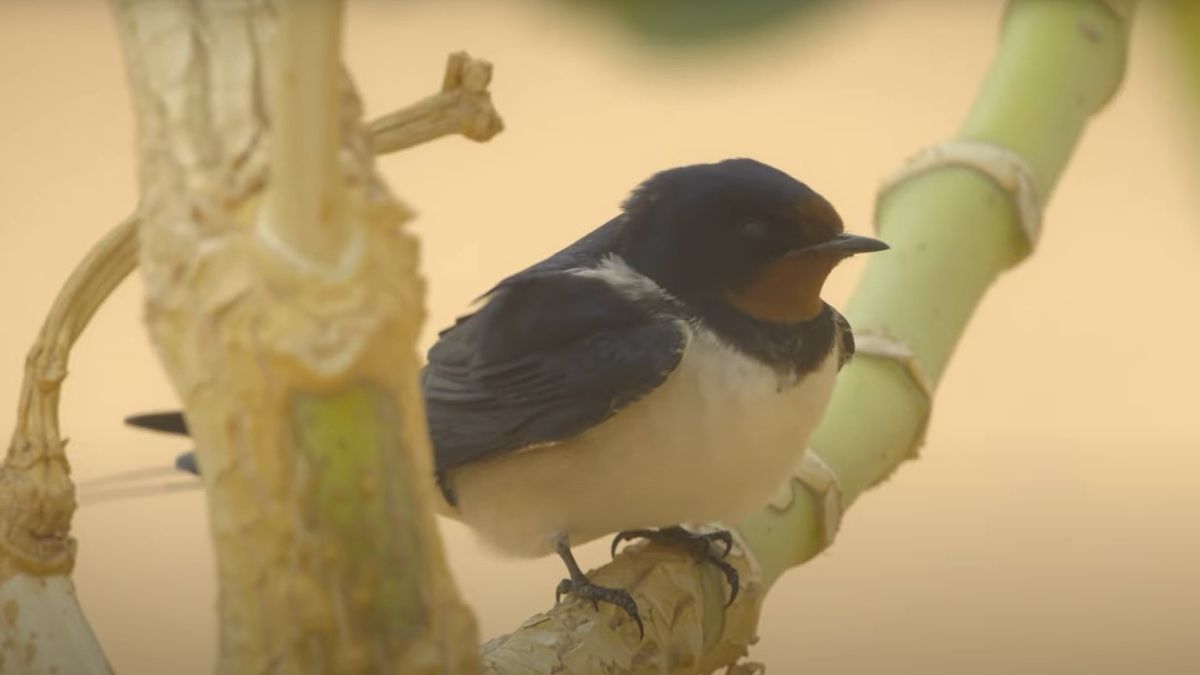
Stunning footage captured for National Geographic's "Incredible Animal Journeys" shows a tiny barn swallow battling a massive sandstorm during its migration across the Sahara Desert. Weighing less than an ounce, the bird was filmed on the perilous stage of its journey, enduring searing-hot temperatures and high winds. The migration of European barn swallows is treacherous, with high mortality rates recorded each year. After surviving the desert, the swallow reached a water source and continued its journey to reunite with its mate.
Nearly 1,000 migrating songbirds died after colliding with windows at the McCormick Place Lakeside Center in Chicago. The incident was attributed to a combination of prime migration conditions, rain, and the low-slung exhibition hall's lights and window-lined walls. Window strikes are a common issue in major U.S. cities, with hundreds of millions of birds estimated to die annually. Birds, particularly those migrating at night, are attracted and confused by bright lights, leading to fatal collisions. Preventive measures such as dimming lights and incorporating bird-friendly designs in buildings can help mitigate these incidents. The National Audubon Society's Lights Out program encourages cities to turn off or dim lights during migration months, and Chicago has participated in the initiative.
BirdCast is a website that provides bird migration forecasts and real-time data using weather radar and machine learning techniques. The site offers tools such as a migration forecast map, live migration map, migration alerts, and a migration dashboard to track bird activity in specific areas. BirdCast is a collaboration between The Cornell Lab of Ornithology, Colorado State University, and the University of Massachusetts Amherst, with support from partners including the National Science Foundation and NASA.
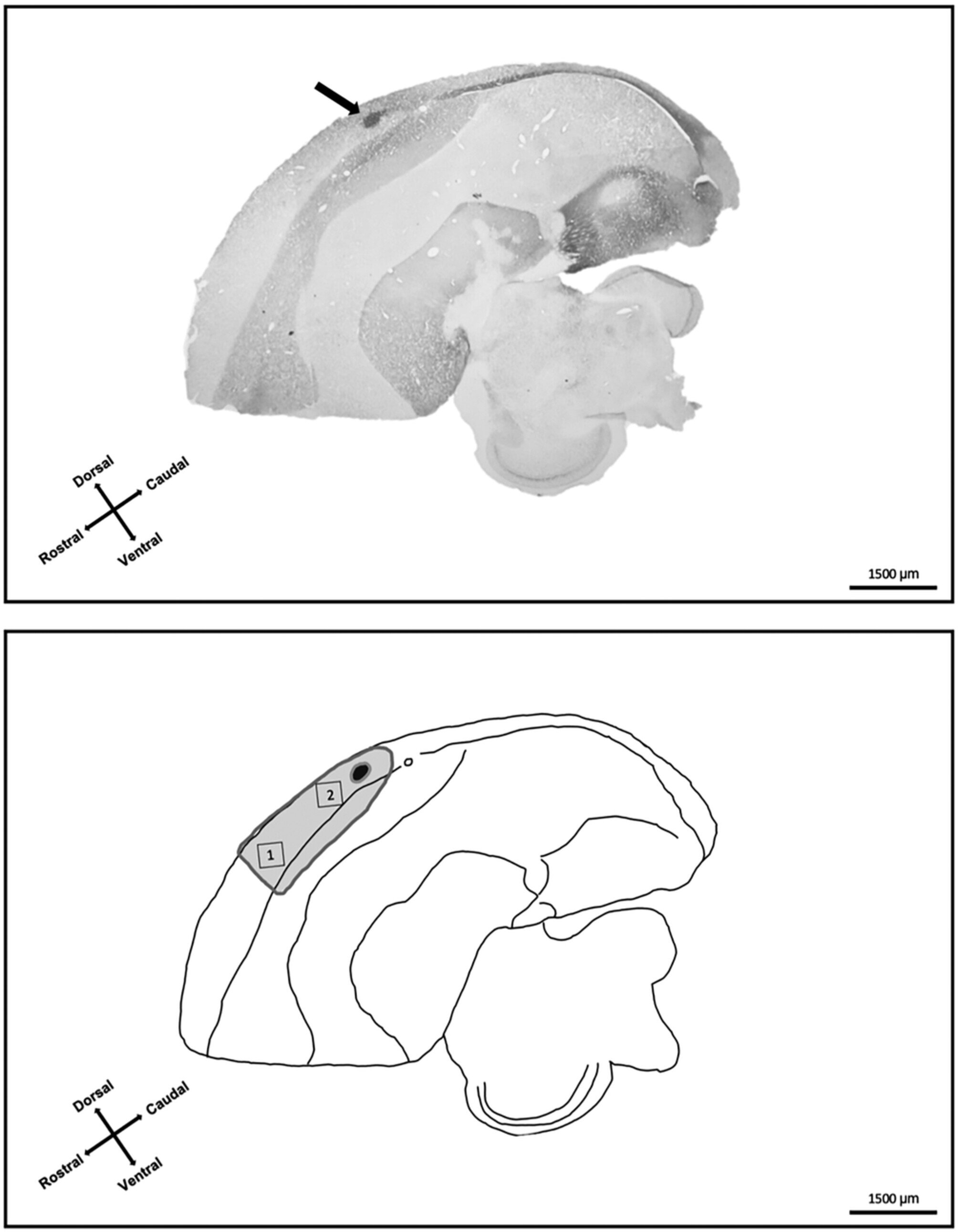
Researchers at Western's Advanced Facility for Avian Research have discovered that migratory birds use a brain region called Cluster N to perceive Earth's magnetic field. The team found that the region is activated very flexibly, meaning these birds have an ability to process, or ignore, geomagnetic information. Specifically, the team studied white-throated sparrows and found they were able to activate Cluster N at night when they were motivated to migrate and make it go dormant when they were resting at a stopover site.
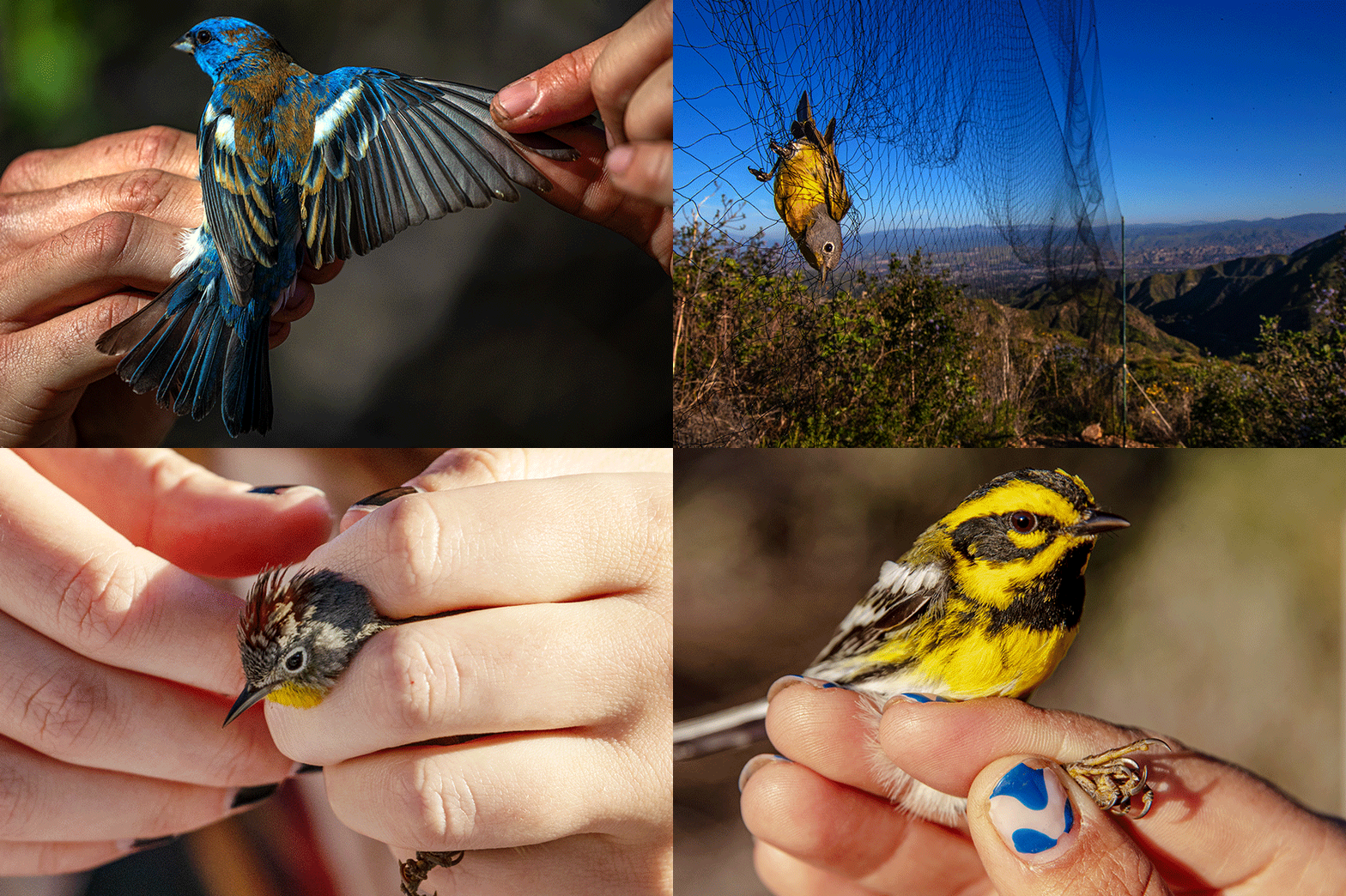
A dirt parking lot at Bear Divide in the San Gabriel Mountains has become a hot spot for avian research projects, as it attracts as many as 13,000 tanagers, orioles, buntings, grosbeaks and warblers on a single day during their long-distance migrations along the Pacific Flyway. Scientists suggest that the topography has a funneling effect on birds during their journey. Researchers are trying to understand at what point in their journey do these mixed-species flocks of birds decide to pour through Bear Divide rather than fly over or around the mountains. The data gathered will help scientists better understand complex migratory behavior and upgrade conservation strategies at a time when climate change is upsetting the delicate balance between life-and-death conditions in ancient habitats.