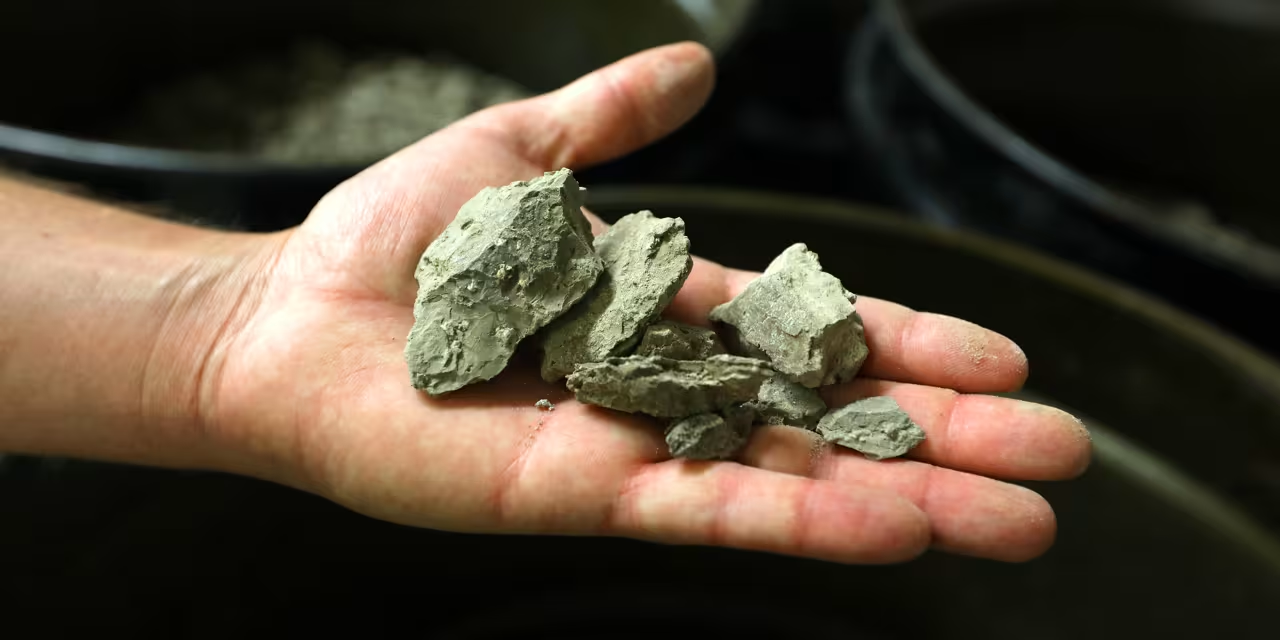
Lithium Americas' stock nearly doubled after the U.S. government proposed taking an equity stake in the company as part of renegotiating a $2.3 billion Energy Department loan, amid strategic investments in critical minerals for battery production.
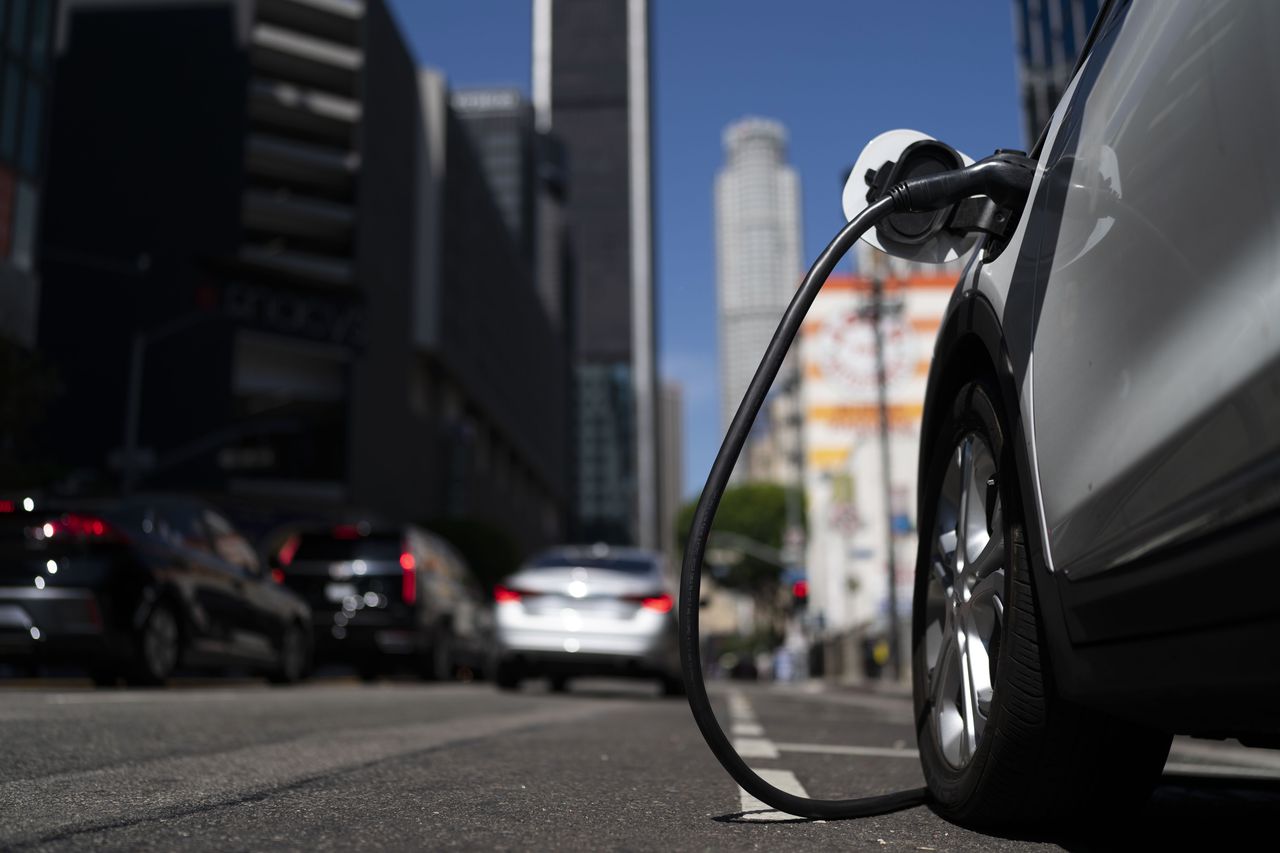
Only 10 electric or plug-in hybrid vehicles will be eligible for a $7,500 U.S. tax credit, while another seven could get $3,750 under new federal rules that go into effect on Tuesday. Most of the more than 60 electric or plug-in hybrids on sale in the U.S. won’t get any tax credits. To be eligible, electric vehicles or plug-ins have to be manufactured in North America. The new rules govern how much battery minerals and parts can come from countries that don’t have free trade agreements with the U.S.
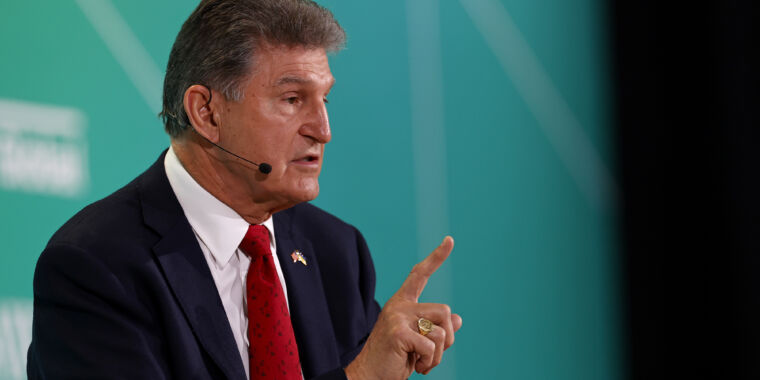
US Senator Joe Manchin, who was responsible for rewriting the nation's electric vehicle incentives, has threatened to sue the federal government over too many EVs reaching US customers with battery packs that contain materials and components refined, processed, or manufactured abroad. Manchin's objections center on what "processing" means and he wants battery components to be domestically sourced. The $7,500 tax credit is only applicable to "clean vehicles" and requires at least 40% of the battery pack's critical minerals to be extracted or processed in the US or a country that has a free trade agreement with the US.
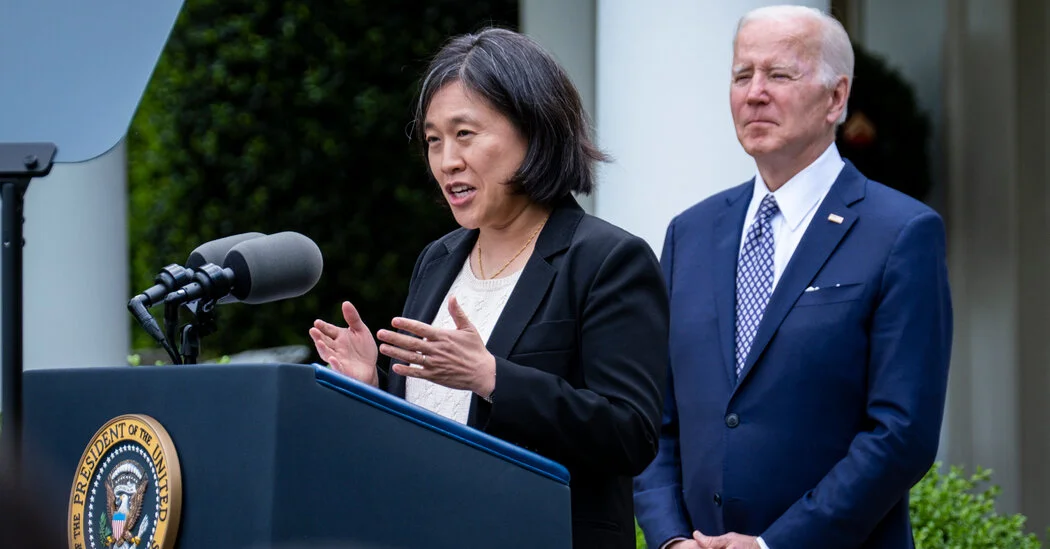
The US and Japan have reached a deal over the supply of critical minerals used to make car batteries, which could serve as a model for resolving similar disputes with other trading partners. The agreement promises to encourage higher labor and environmental standards for minerals that are key to powering electric vehicles, like lithium, cobalt, and nickel. The deal appears to be aimed at expanding certain provisions of the climate legislation, which offers generous tax incentives for electric vehicles that are built in North America or source the material for their batteries from the United States or countries with which the United States has a free-trade agreement.
Ford CEO Jim Farley cites battery supply as the constraint to accelerating EV production, emphasizing the need to build out a supply chain in the US for critical battery minerals. Despite ongoing battery constraints, Ford is aiming to produce 2 million EVs annually by late 2026. The automaker continues manufacturing massive batteries, upwards of 140 kWh, for its full-size electric truck, the F-150 Lightning. Ford is building out its domestic supply chain and manufacturing capabilities to streamline production, cut costs, and put the company in a position to succeed in the increasingly competitive EV market.