The global secondhand electric vehicle market is experiencing a sharp decline in resale values in 2025, primarily due to uncertainties about battery longevity, impacting fleet operators and individual owners, with some EVs losing over half their value within a few years.
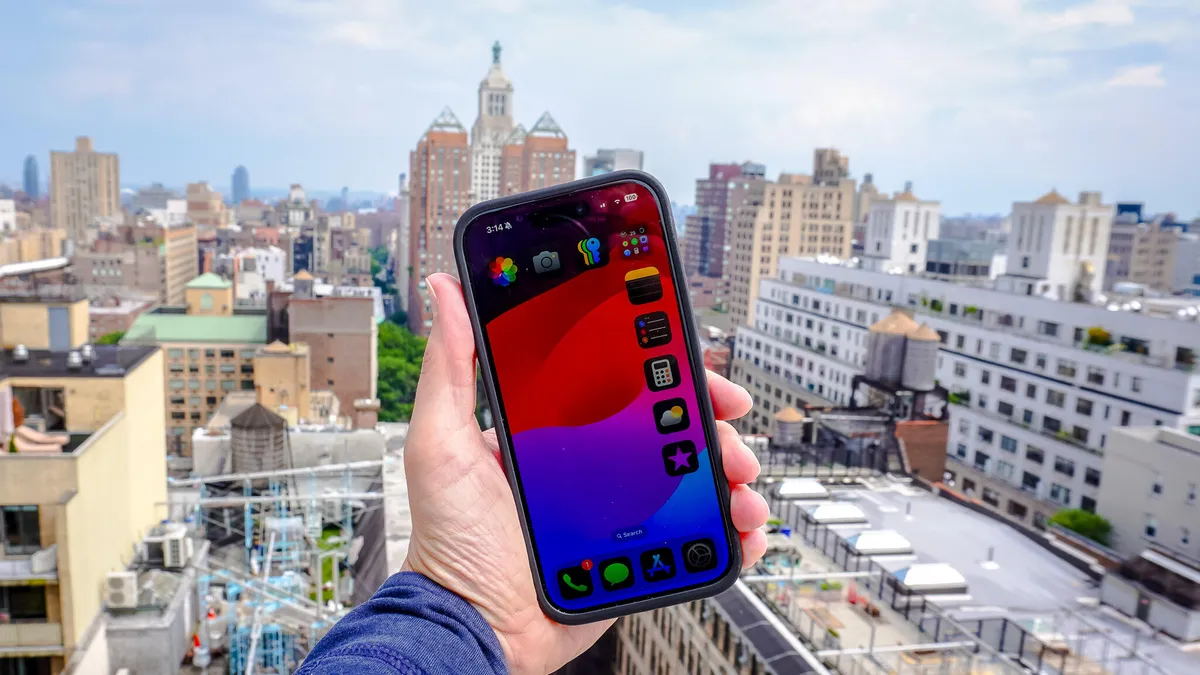
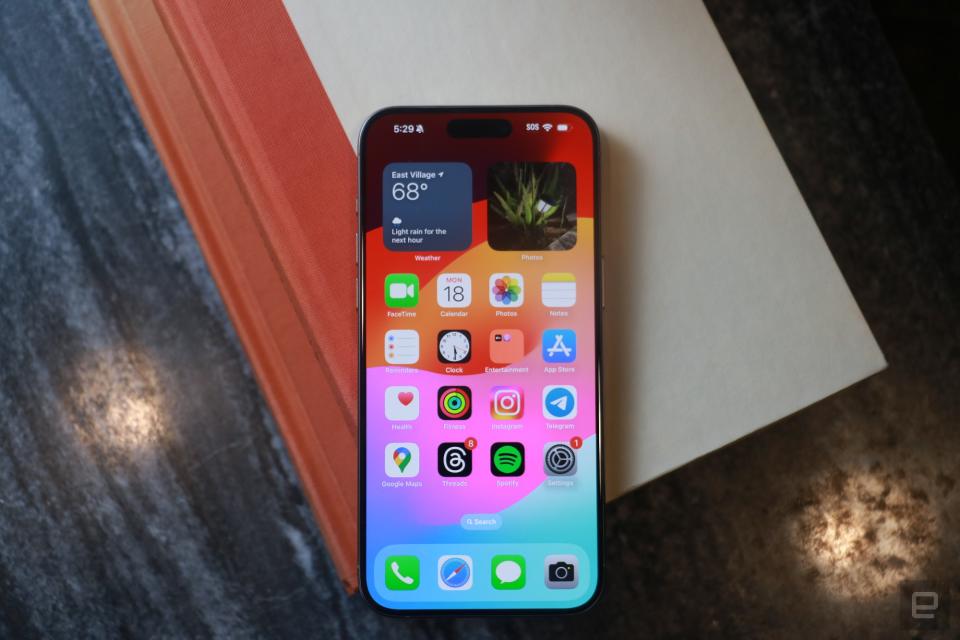
Adrian Kingsley-Hughes tested the longevity of his iPhone 15 Pro Max battery by limiting charging to 80% for over a year, but found that battery capacity and performance declined significantly, leading him to revert to full 100% charging and optimized battery charging to extend battery life. The experiment highlights the challenges of balancing battery health with daily usability, and suggests that limiting charge levels may not always be beneficial for long-term battery health.
Silicon-carbon batteries offer higher energy density for smartphones, enabling slimmer devices with larger batteries, but their adoption is limited due to regulatory challenges and faster aging caused by expansion issues. Companies like Nothing are experimenting with software-limited capacities to mitigate lifespan problems, but widespread use remains constrained until these technical and regulatory hurdles are addressed.
European researchers have developed a new pulsed current (PC) charging algorithm for lithium-ion batteries, which can potentially double their service life and retain 80% capacity. The PC charging protocol promotes a thinner solid electrolyte interface (SEI) and reduces structural changes in electrode materials, leading to improved battery resilience. Using high-frequency pulsing with square-wave current, the study conducted at leading synchrotron facilities demonstrated significant benefits in stabilizing electrode materials and interfaces, offering a promising solution to extend the lifespan of lithium-ion batteries.
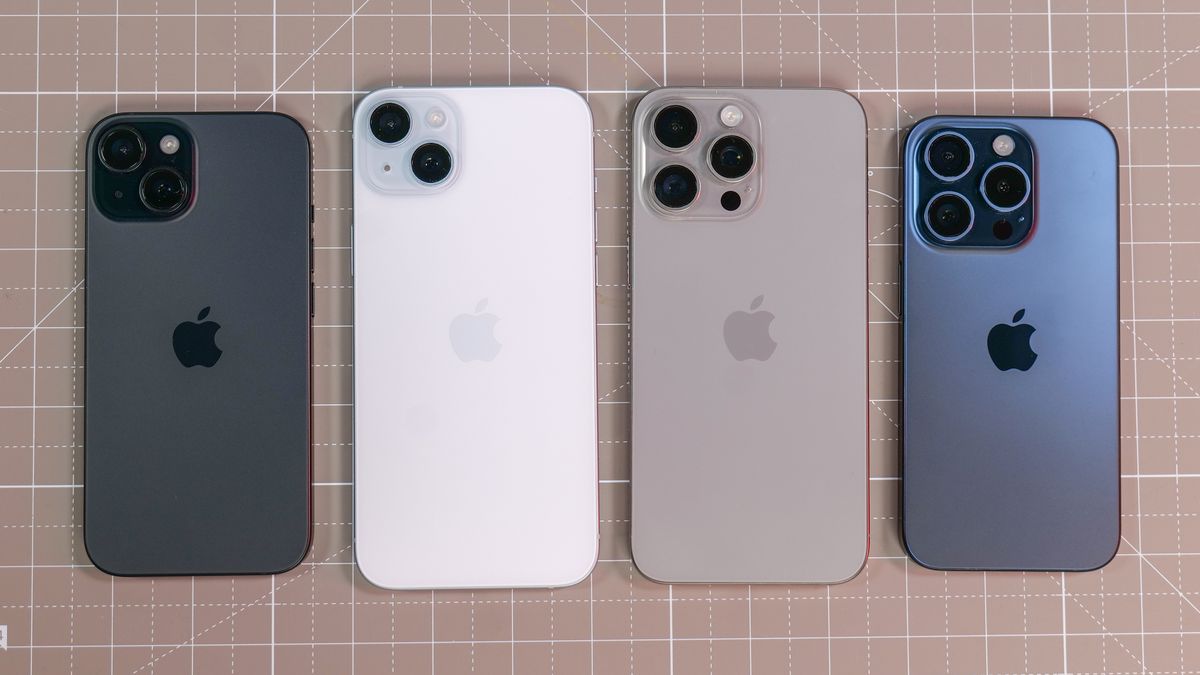
Apple has retested the batteries in the iPhone 15 and claims they can maintain at least 80% of their original capacity for 1,000 charging cycles, more than double the originally claimed 500 cycles. It's unclear if this change applies to every model in the iPhone 15 lineup, and the cause of the improved battery lifespan remains unknown. This development is significant for users looking to keep their iPhones for an extended period before upgrading.
Apple announces that the iPhone 15's battery can retain 80 percent of its original capacity after 1,000 cycles, double the previous estimate, in time for upcoming EU regulations. The company attributes the upgrade to continual improvements in battery components and iOS power management. Older iPhone models' estimates may also be updated. Smartphone and tablet manufacturers in the EU will soon be graded on energy efficiency and battery longevity, with at least 800 charging cycles required to retain 80 percent capacity. Apple also provides tips for ideal battery longevity and plans to move the battery cycle count to a more logical location in iOS settings.
Apple has retested the batteries in all iPhone 15 models and found that they can retain 80% of their original capacity at 1,000 complete charge cycles, compared to 500 charge cycles for older models. This means it could take longer for the maximum battery capacity of iPhone 15 models to decline. Apple is also investigating the battery lifespans of older iPhone models. Additionally, iOS 17.4 will bring new features and changes for the iPhone, including major App Store changes in the EU and Apple Podcasts transcripts.
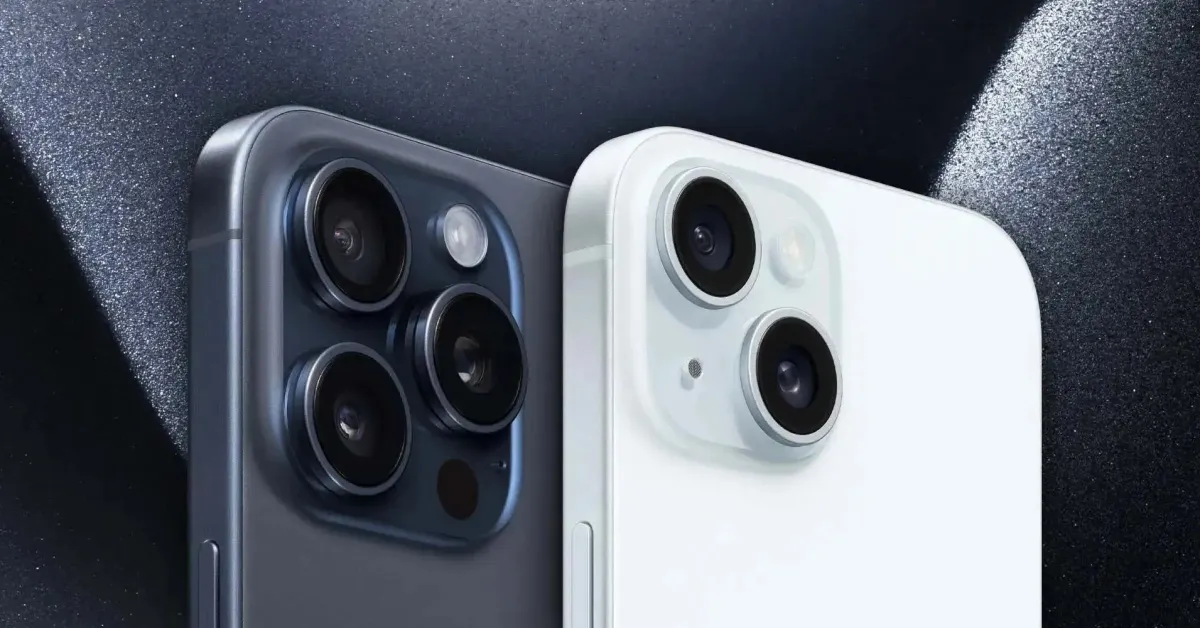
Apple announces that the iPhone 15 and iPhone 15 Pro will now retain 80% of their original battery capacity at 1000 complete charge cycles, doubling the previous estimate. This change is attributed to ongoing updates to battery components and power management systems. The company is also investigating older iPhone models for similar improvements and provides details on battery capacity and performance on its website.
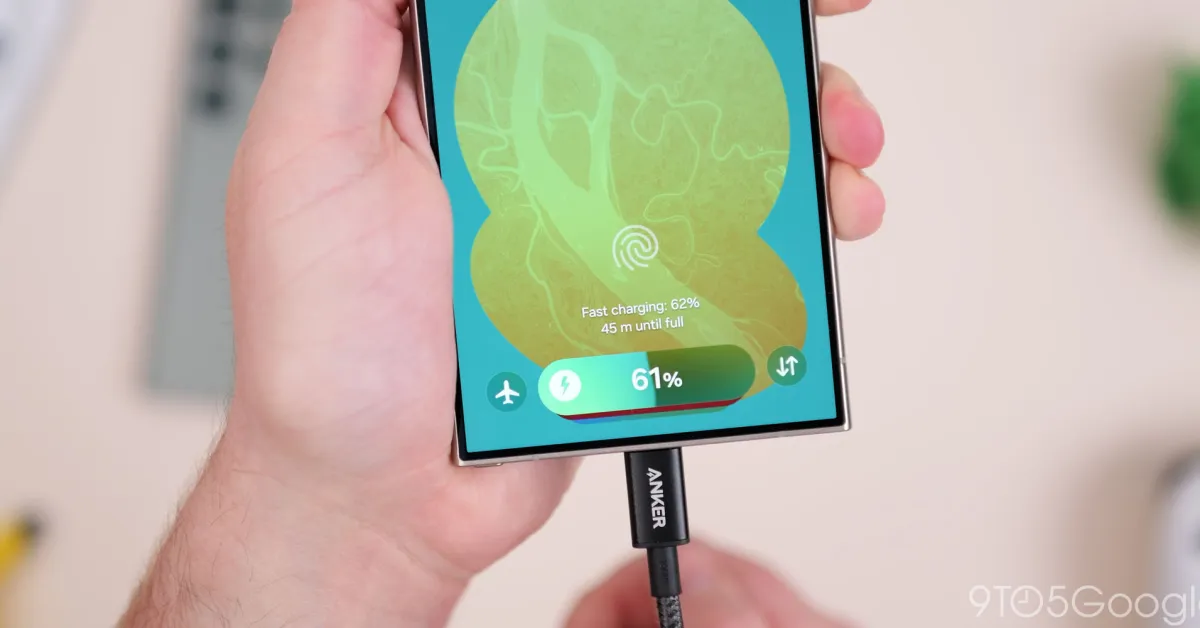
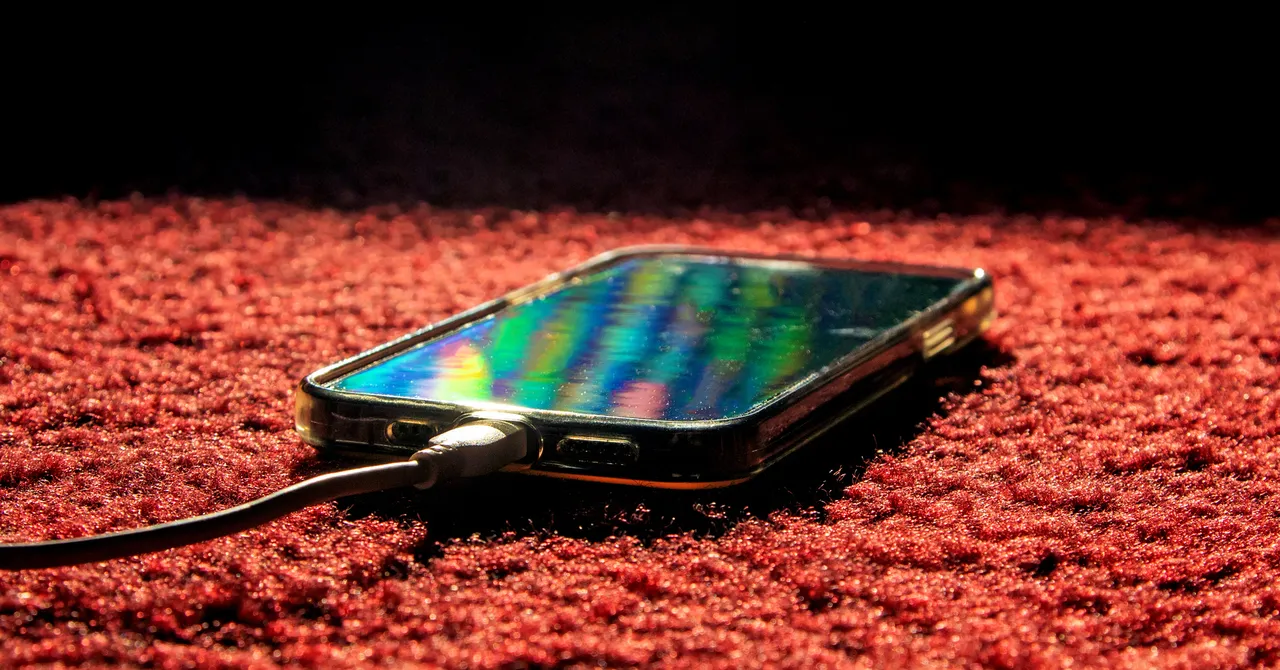
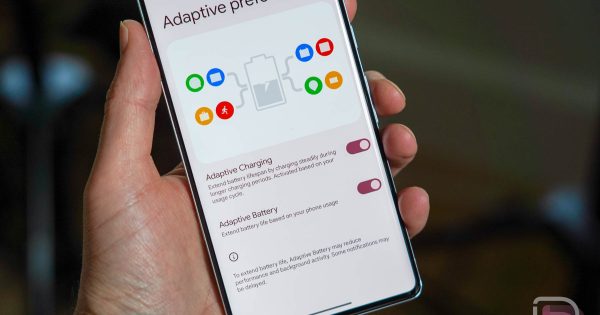
Both Android and iOS smartphones now come with features such as Optimized Charging, Adaptive Charging, and Protect Battery that monitor daily habits and delay charging the handset up fully when it thinks the phone will be connected to power for an extended period of time. These features aim to maximize the life of the device's battery by reducing factors that accelerate battery aging, such as operating temperature and prolonged full charging. Users can enable or disable these features in the battery settings of their respective phones.
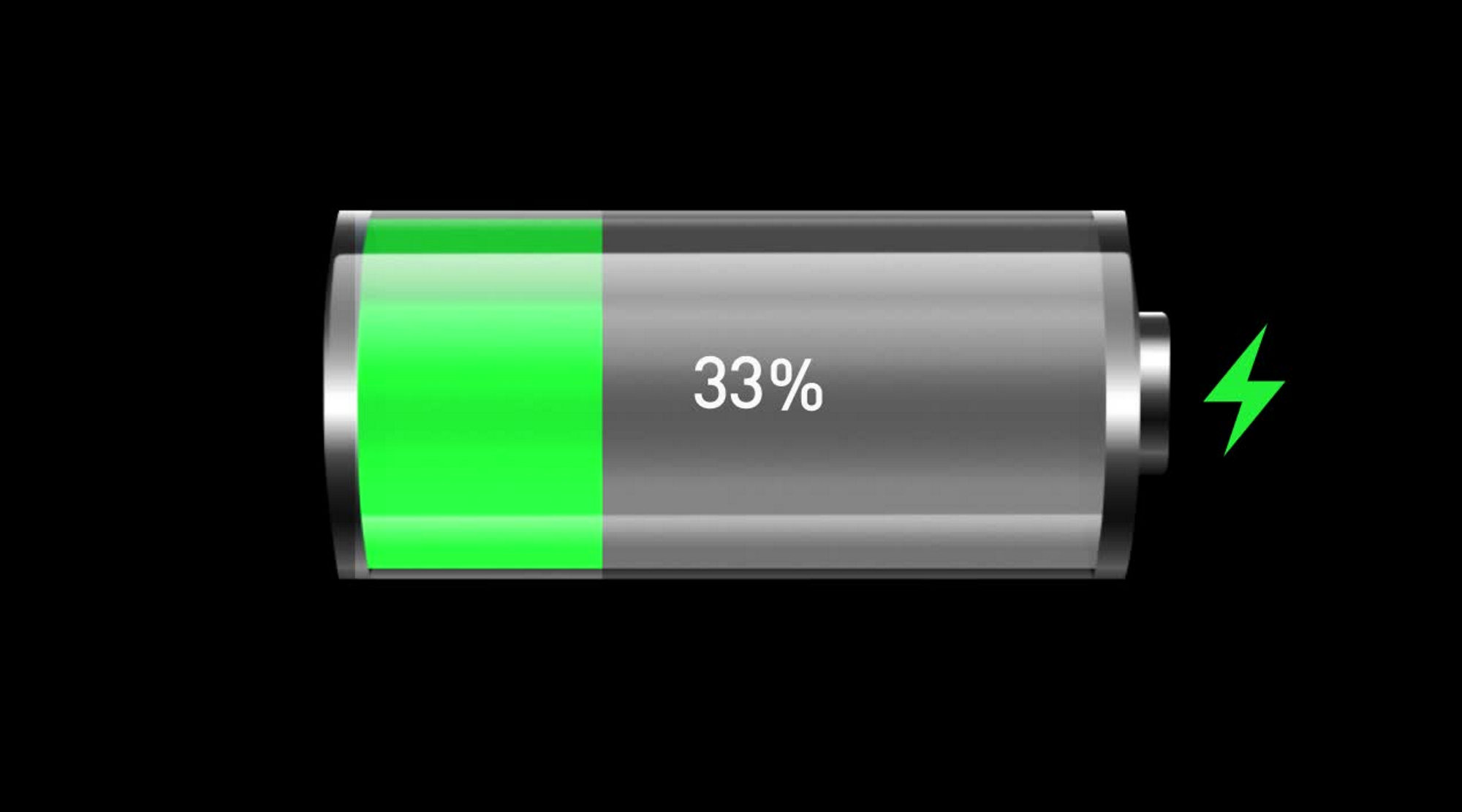
A battery expert debunks common myths about smartphone batteries. While it is possible to charge a battery beyond 100%, doing so can damage the internal structure and reduce its overall lifespan. Charging a phone on airplane mode may speed up charging slightly, but the difference is minimal. Wi-Fi and Bluetooth connections drain battery life, so it's better to connect to stable networks. Using unofficial chargers can damage the battery, so it's recommended to stick with official models. Charging a phone through a computer or laptop is fine and may even be better for the battery. Powering off a device occasionally does not significantly preserve battery life. Batteries perform better in cool temperatures, but extreme heat can degrade them. Leaving a charger plugged in at the wall does not waste much energy. The ideal charge level for a battery is around 50% to minimize strain and extend its lifespan. Charging past 100% is not harmful, but keeping the charge level at 100% for extended periods can strain the battery. Replacing a phone battery can give it a new lease of life, but it is becoming increasingly difficult due to manufacturers' restrictions.
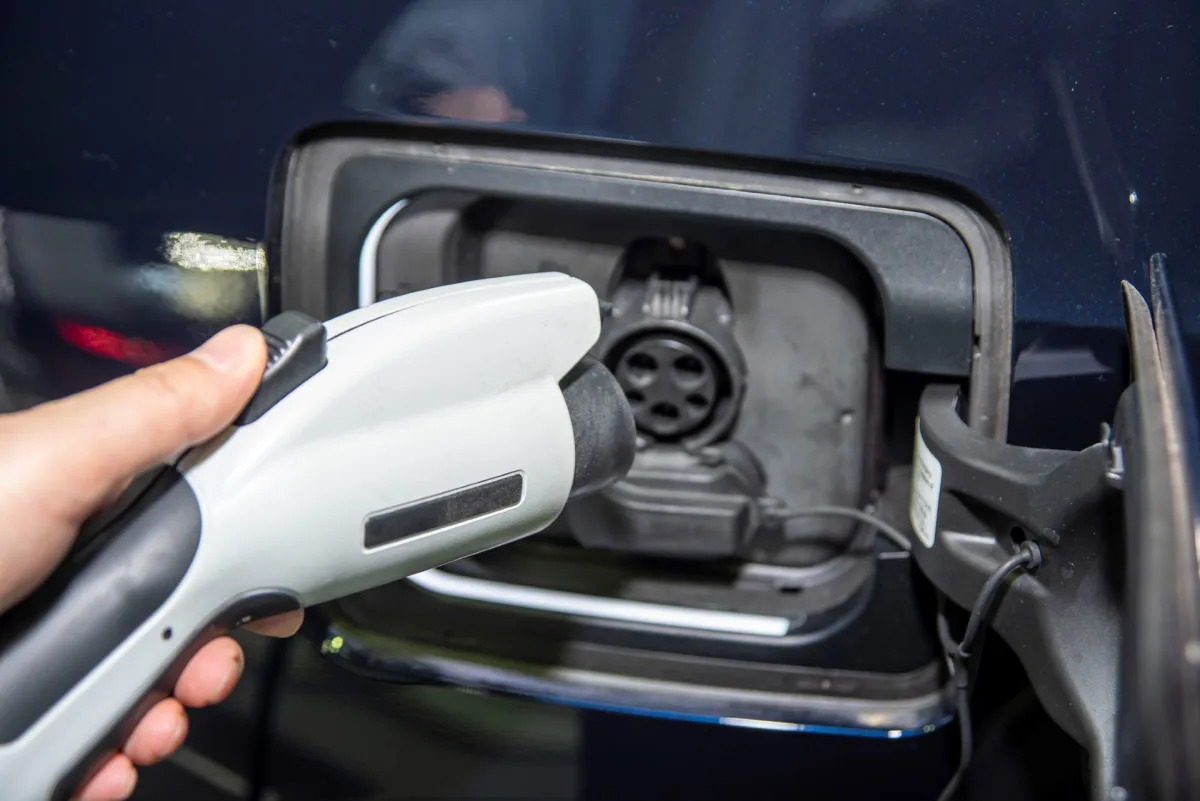
A study conducted by Recurrent Motors Inc. revealed that electric vehicle (EV) batteries are surprisingly reliable and long-lasting, with most EVs driven close to 100,000 miles still retaining at least 90 percent of their original range. The research, based on real-world data from 15,000 EVs, showed that battery replacements outside of official recalls were rare, with only 1.5 percent of cars having their batteries replaced. The findings aim to alleviate concerns about battery longevity and encourage more people to switch to EVs, which contribute to reducing heat-trapping air pollution and carbon emissions from transportation.
iPhone and Android users may unknowingly be shortening the lifespan of their smartphone batteries by making common charging mistakes. Cybersecurity giant Kaspersky has identified five common errors, including stressing the battery with extremely high or low charge volumes, avoiding heavy phone usage during charging, preventing overheating, using fast-charging only when necessary, and opting for smaller, more frequent charges. By following these tips, users can extend the overall capacity and lifespan of their smartphone batteries.
Researchers at Rice University have developed a scalable method to enhance the lifespan of lithium-ion batteries by up to 44% using prelithiation, a process that coats silicon anodes with stabilized lithium metal particles (SLMPs). The study found that spray-coating the anodes with a mixture of the particles and a surfactant improved battery life by 22% to 44%. However, a larger amount of the particle coating led to more lithium trapping, causing the battery to fade more rapidly in subsequent cycles. The prelithiation method improves the stability of the solid-electrolyte interphase (SEI) layer, reducing the depletion of lithium ions and resulting in a longer cycle life for the battery.
Google Pixel phones' Adaptive Charging feature may no longer require an alarm to optimize battery lifespan. The feature, which slows down charging to hit 100% closer to unplugging, previously required an alarm to be set between 3AM and 10AM. However, recent reports suggest that the feature is now activated based on usage patterns, without the need for an alarm. This change has not been confirmed by Google, but it could be rolling out soon.