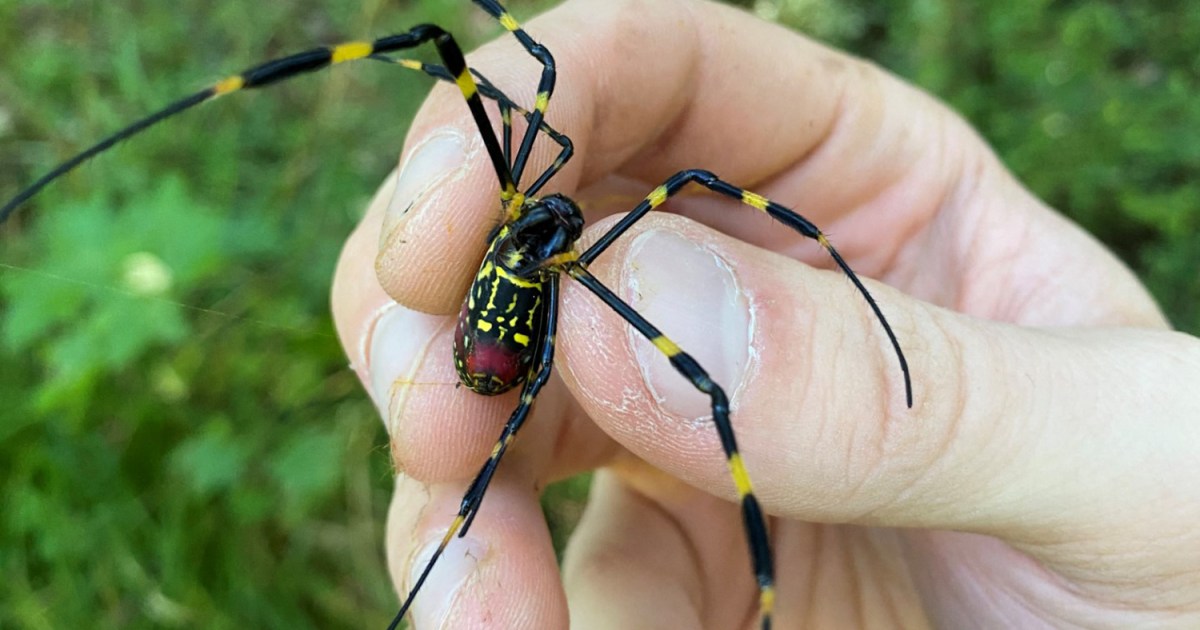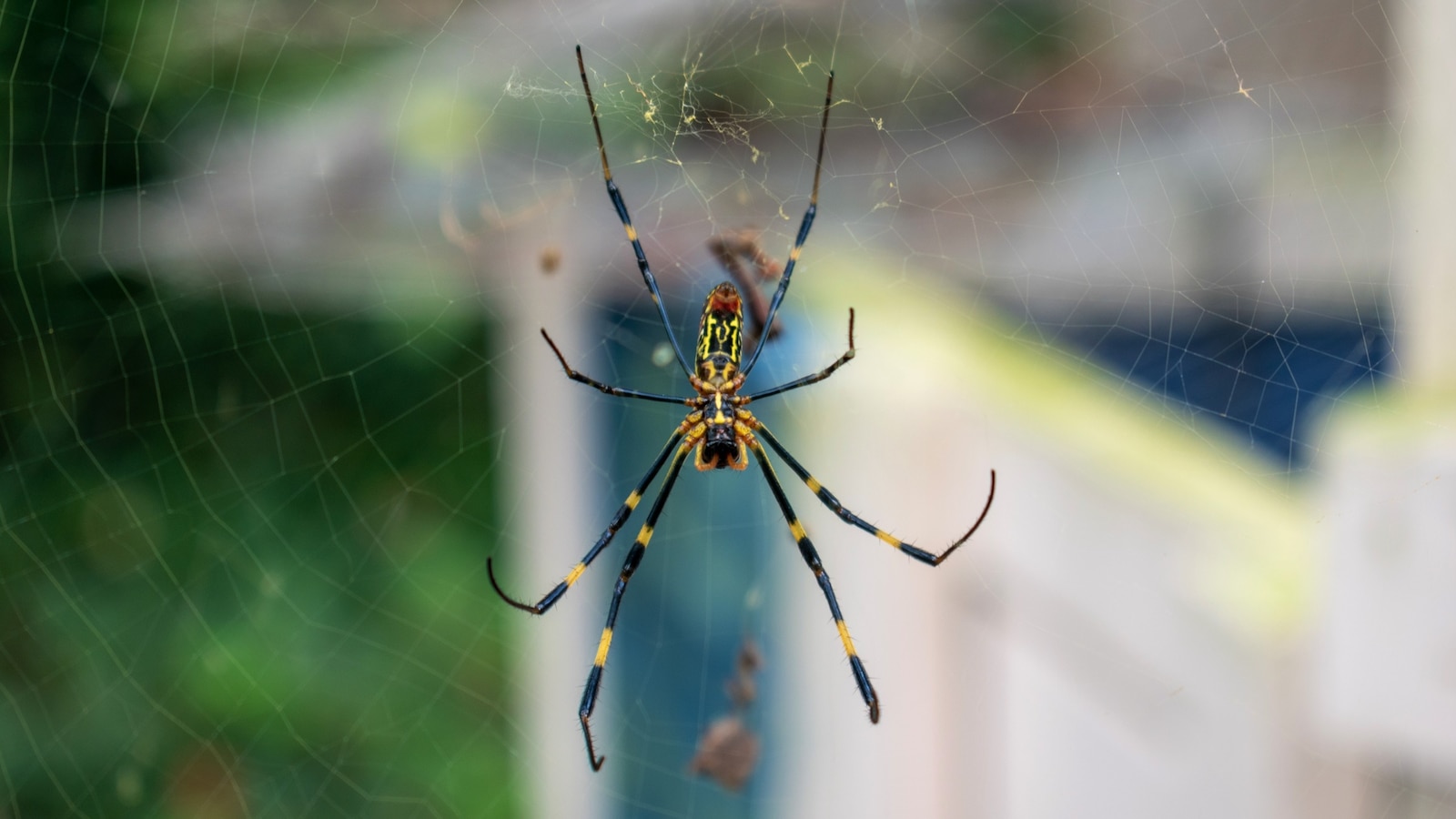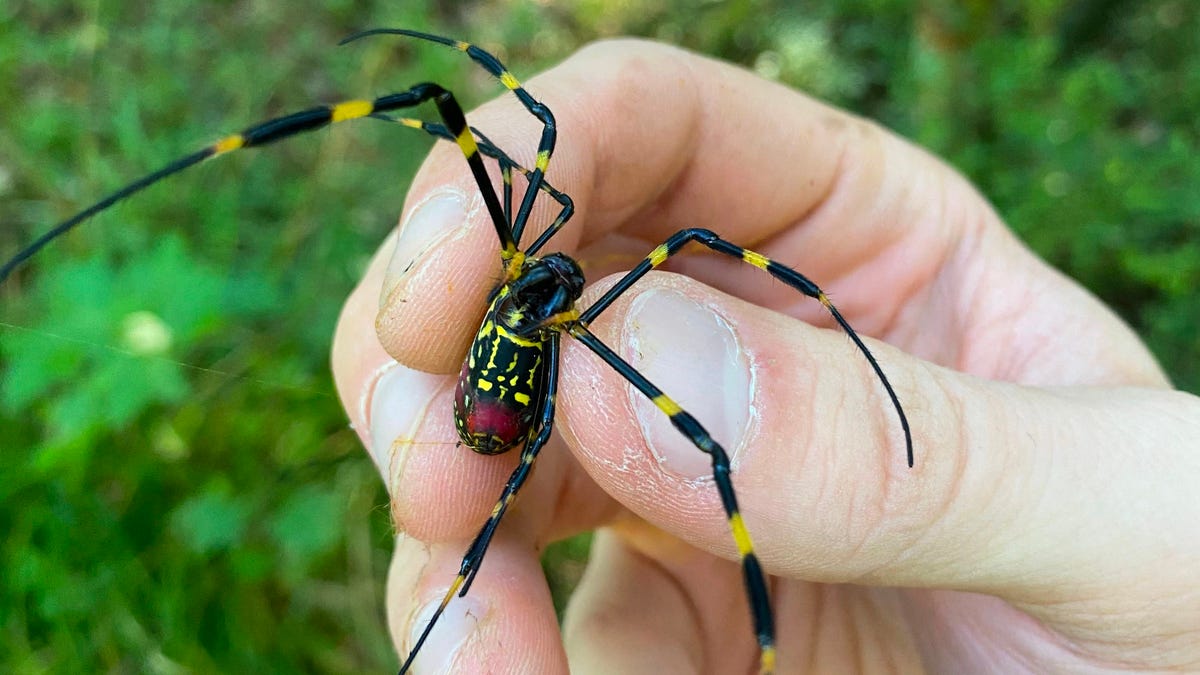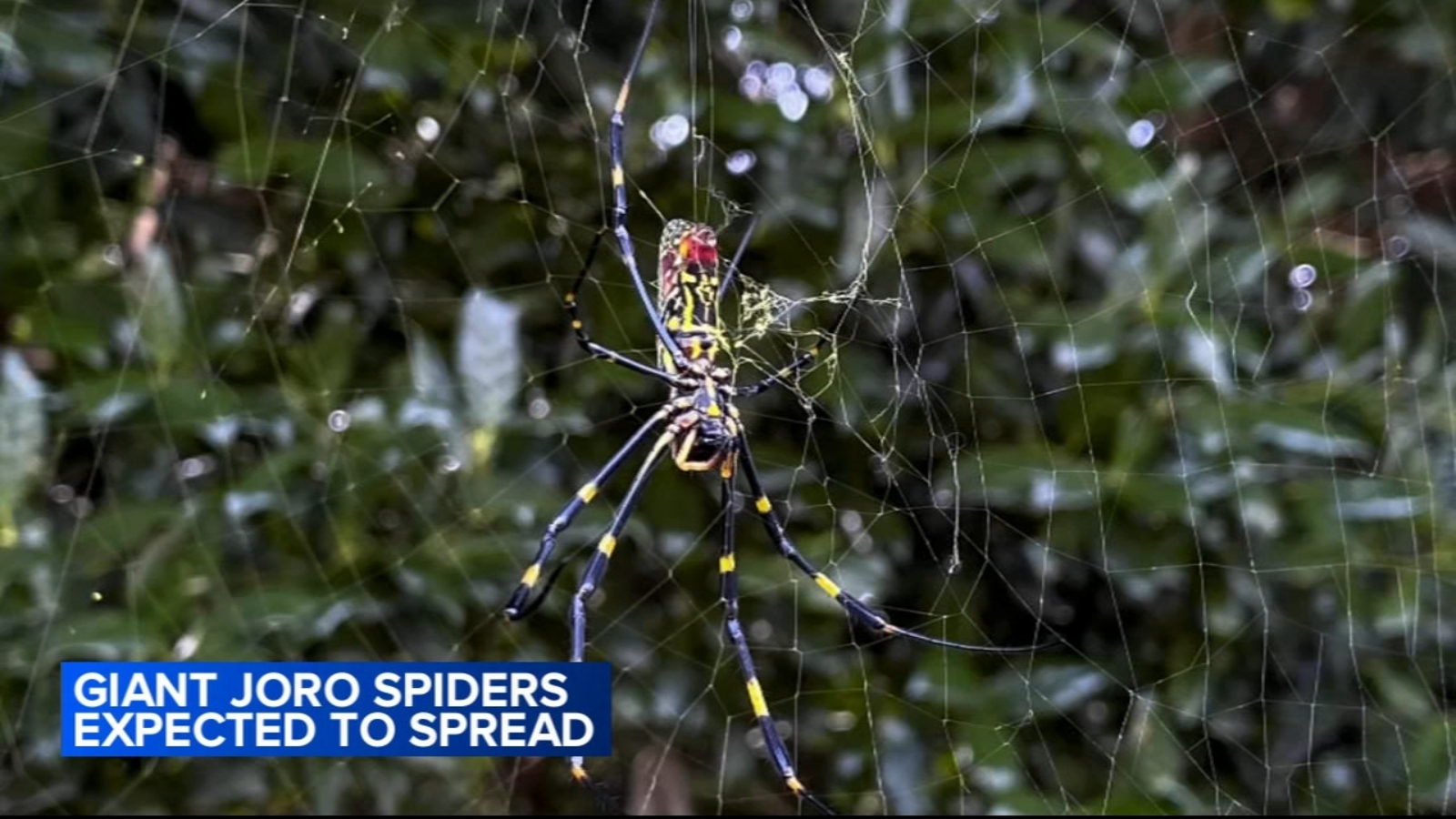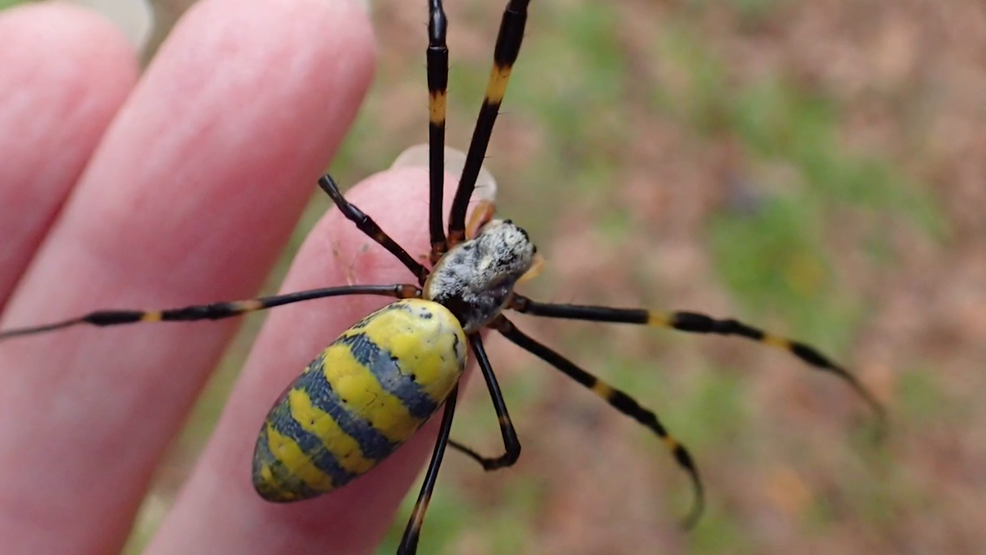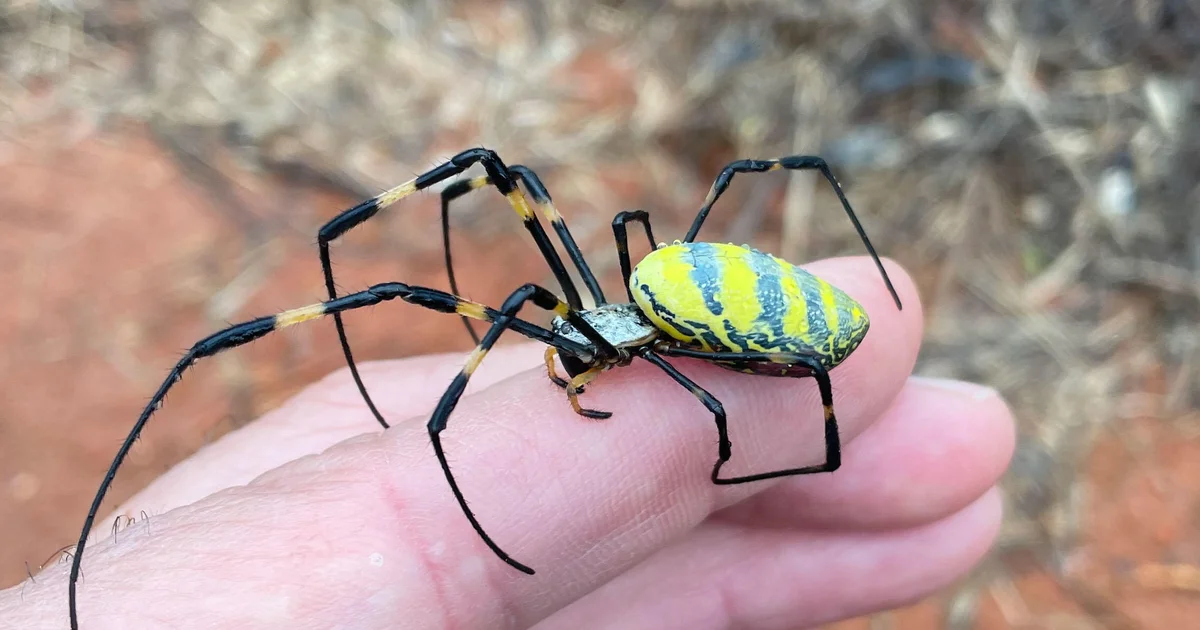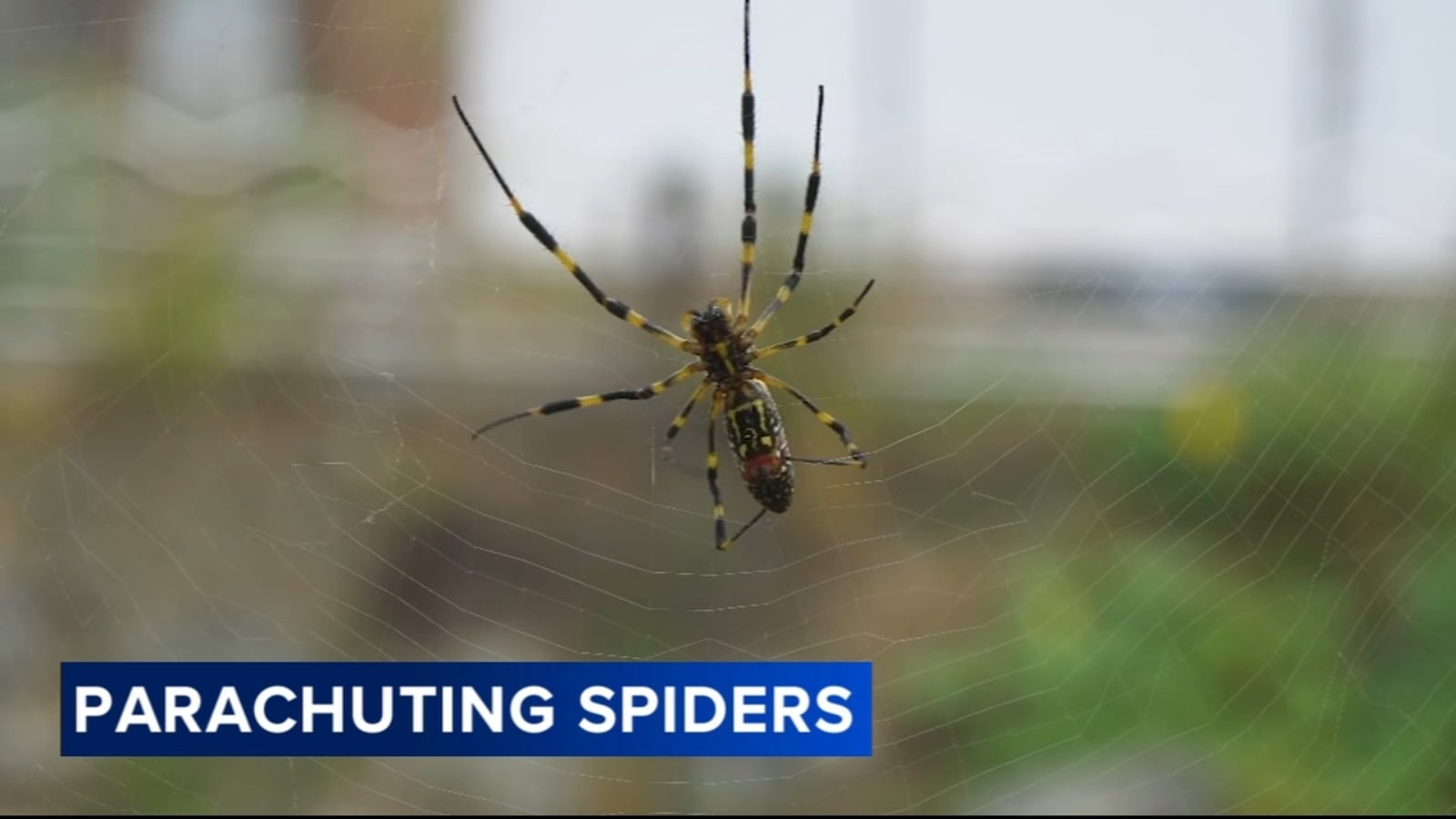
The Joro spider, a large, colorful arachnid from East Asia, is spreading across the East Coast of the U.S., including New York and New Jersey. Known for their strong, golden webs and ability to "balloon" through the air, these spiders are not dangerous to humans but could impact local ecosystems by competing with native species. While their presence in the tri-state area this summer is uncertain, they have been spotted as far north as Maryland.

Joro spiders, an invasive species from East Asia, are spreading across the U.S. East Coast and may eventually cover much of the country. Despite their alarming appearance and ability to "fly" using a technique called ballooning, they pose minimal threat to humans, causing only mild itching from their bites. The spread of invasive species like the Joro spider is exacerbated by global travel, shipping, and climate change.
The Joro spider, an invasive species from East Asia, is expected to spread to New York and other parts of the northeastern US. Despite their large size and venom, they are not harmful to humans or pets. These spiders use a technique called ballooning to travel long distances and have adapted to survive in colder climates. While their impact on local ecosystems is still being studied, they are generally considered more of a nuisance than a threat.
The Joro spider, a large, colorful arachnid from East Asia, is expanding its presence on the U.S. East Coast, including New York City and New Jersey. Known for its strong, golden webs and ability to "parachute" through the air, the spider is not dangerous to humans but could impact local ecosystems. Originating from Japan, Korea, Taiwan, and China, the Joro spider likely arrived in the U.S. via international cargo and has been spreading northward, thriving in urban environments.
Giant venomous Joro spiders, originally from Japan and first seen in the Southeastern U.S., are expected to invade New York and New Jersey. These spiders, known for their striking yellow and black appearance and ability to "fly" using silk threads, could spread through truck shipments and ports. While there are no definitive ways to eliminate them, residents are advised to knock down webs and seek pest control services. The spiders' adaptability and rapid reproduction suggest they could inhabit much of the eastern U.S.
Venomous Joro spiders, capable of traveling up to 100 miles using a ballooning technique, are expected to spread to New Jersey and possibly Delaware this summer. Although their fangs cannot penetrate human skin, their rapid spread since first being spotted in the U.S. in 2013 has raised concerns among ecologists.
Giant venomous Joro spiders from Southeast Asia are spreading across the U.S. East Coast, expected to reach New York and New Jersey this summer. Despite their alarming appearance and ability to "fly" using a technique called ballooning, experts say they pose no major threat to humans. However, their impact on native species and the environment remains uncertain, with some researchers noting they displace native spiders and could have negative ecological effects.
Giant venomous Joro spiders from Southeast Asia are spreading across the U.S. East Coast, expected to reach New York and New Jersey this summer. While not harmful to humans, they are displacing native species and expanding rapidly due to their ballooning ability.
Giant venomous Joro spiders with 4-inch legs, known for their ability to "fly" using a technique called ballooning, are expected to spread across the U.S. East Coast, including New York. While they pose no danger to humans, they could impact native spider populations.
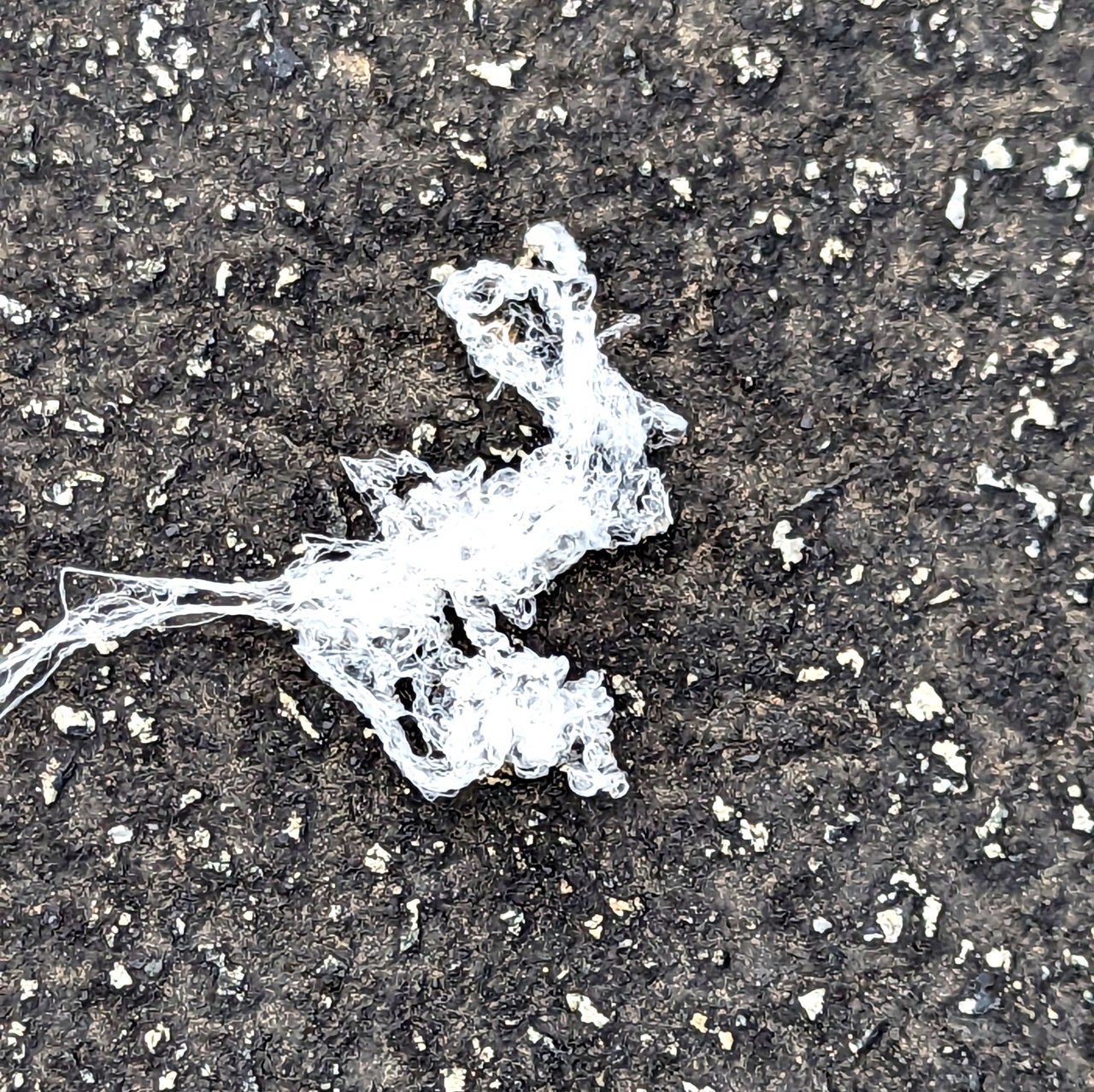
Mysterious objects falling from the sky in California are likely spider silk balloons created by spiders engaging in a phenomenon called ballooning. The silk threads, carried by the wind, help baby spiders find new homes and food without competing with their siblings. Researchers believe that ballooning is a smart strategy for spiders living in unstable environments. The exact species of spiders involved in this phenomenon is yet to be determined, but there are between 45,000 and 50,000 species of spiders on the planet, playing an important role in maintaining ecological balance.