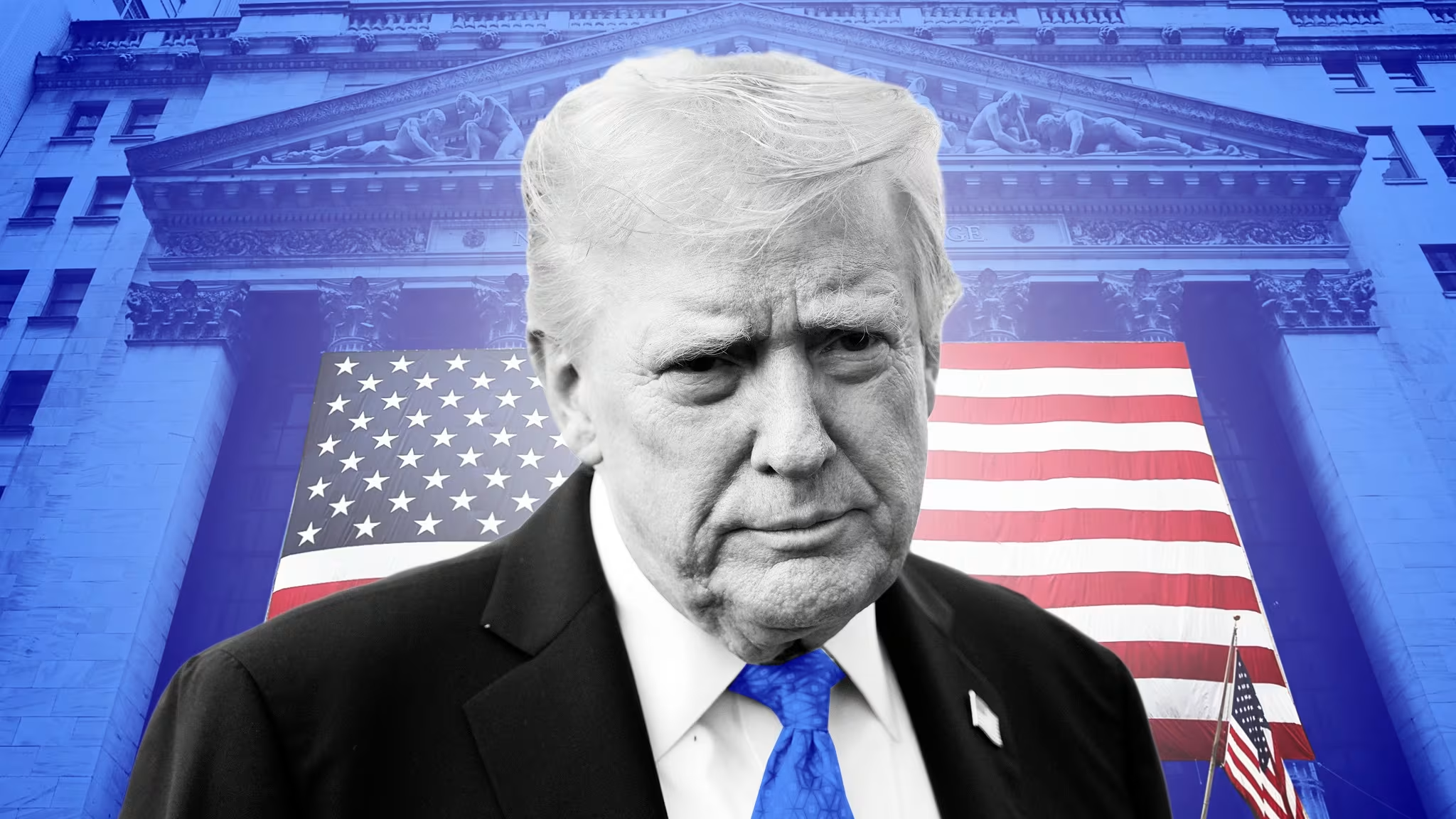
The article discusses how Donald Trump influences the power dynamics between investors and CEOs, shifting the balance in favor of corporate leaders, as analyzed by the Financial Times.
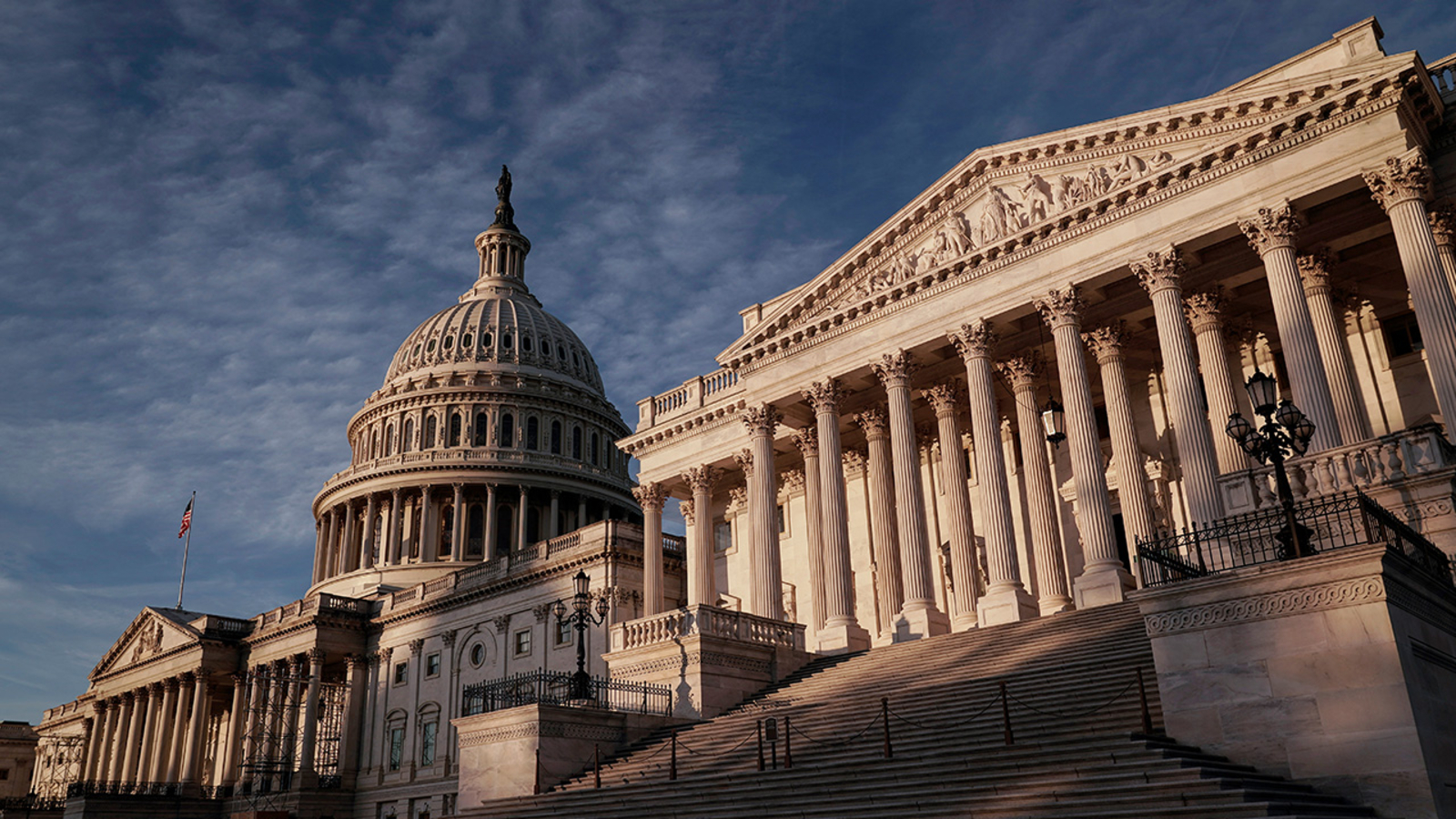
The 2024 election will determine the next U.S. president and the party control of both the House and Senate. As results come in, maps show the current electoral vote count and the balance of power in Congress.
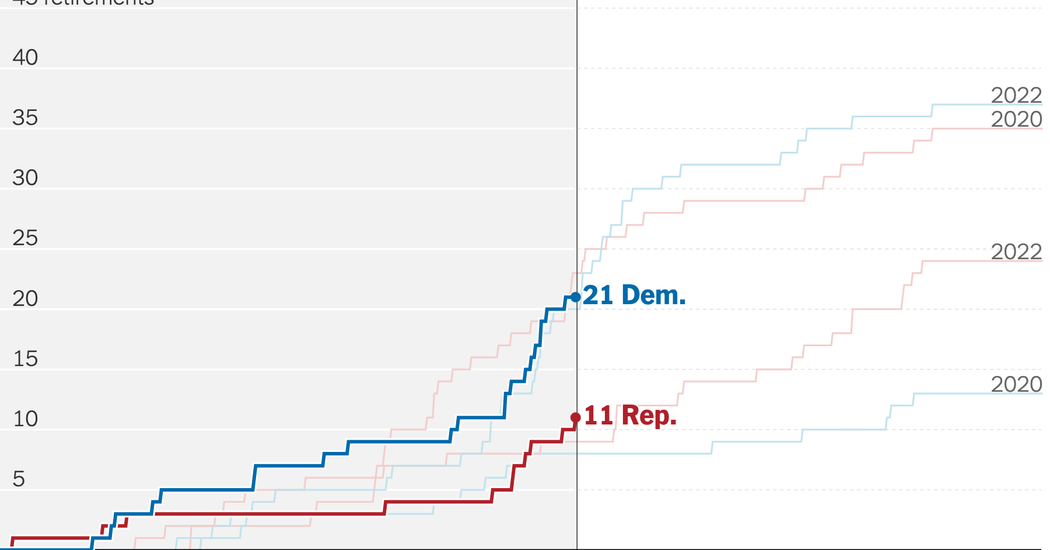
Dozens of members of Congress, from both parties, have announced their plans to retire or not seek re-election in the House of Representatives, setting the stage for a significant shake-up in the closely divided House. While most of the announced departures are not expected to change the balance of power, some seats present opportunities for both Republicans and Democrats to gain an advantage. The wave of retirements reflects frustration with the rancor and dysfunction that has gripped Congress in recent years, and more departures are anticipated as the 2024 election approaches.
Henry Kissinger's focus on stability and equilibrium in international relations, influenced by his study of the Congress of Vienna, led to his misjudgments and failure to fully grasp the importance of American power and leadership. While his realpolitik approach aimed to avoid calamity, it neglected the achievements of the Pax Americana and the need for continued American engagement in the world. Kissinger's devotion to stability, though rooted in a moral ambition to prevent war, ultimately hindered his understanding of the dynamic nature of global politics.
Over three dozen members of Congress have announced their plans to leave their seats, setting the stage for significant turnover in the 2024 election. While most of the departures are not expected to impact the balance of power in Congress, a few crucial seats are up for grabs. Many departing members express frustration with the polarization and paralysis that has plagued the institution, particularly this year. Some notable departures include Senator Mitt Romney, Representative Debbie Lesko, and Representative Adam Schiff, who are seeking other offices.
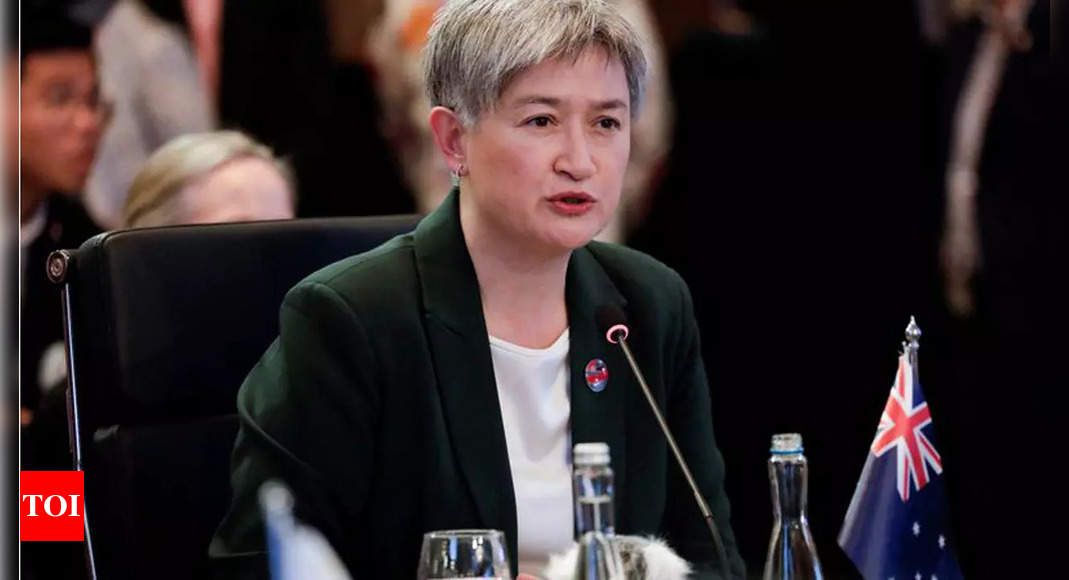
Australian Foreign Minister Penny Wong emphasized the importance of strategic ties with India for maintaining a balance of power in the face of China's unprecedented military modernization. Wong highlighted China's lack of transparency in its military advancements and North Korea's destabilizing behavior. Australia, along with India, the US, and Japan, is part of the Quad, a strategic group aimed at countering China's expansionist ambitions in the Indo-Pacific region. Wong called for partnerships to ensure a free and open Indo-Pacific, grounded in sovereignty, and stressed the significance of India's contribution to the strategic balance of power in the region.
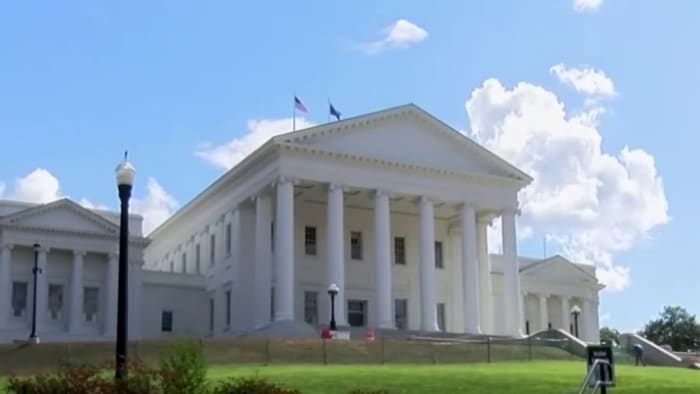
All 140 seats in Virginia's State Senate and House of Delegates are up for grabs in the upcoming general election. Currently, the General Assembly is divided, with Democrats controlling the State Senate and Republicans in charge of the House of Delegates. A Republican trifecta, where Republicans gain control of the governorship and both chambers of the legislature, is a possibility. Redistricting and a record number of retirements have brought changes to this year's election. Virginia Governor Glenn Youngkin, though not on the ballot, has a stake in the election outcome as it could impact his future political aspirations.
Democrat Lindsay Powell's victory in a special election in Pennsylvania's Allegheny County has given her party control of the state House of Representatives, tipping the balance of power back to Democrats with 102 seats compared to Republicans' 101 seats. This is significant as it puts Democrats in control of one chamber of the statehouse and the governorship in a key 2024 battleground state. The implications of a Democratic-led state House and a Democratic governor have already been evident in the state, with bills passed on raising the minimum wage, collective bargaining rights, and mental health funding.
Polls are open for a special election in Allegheny County, Pennsylvania, that will determine the balance of power in the state's House of Representatives.
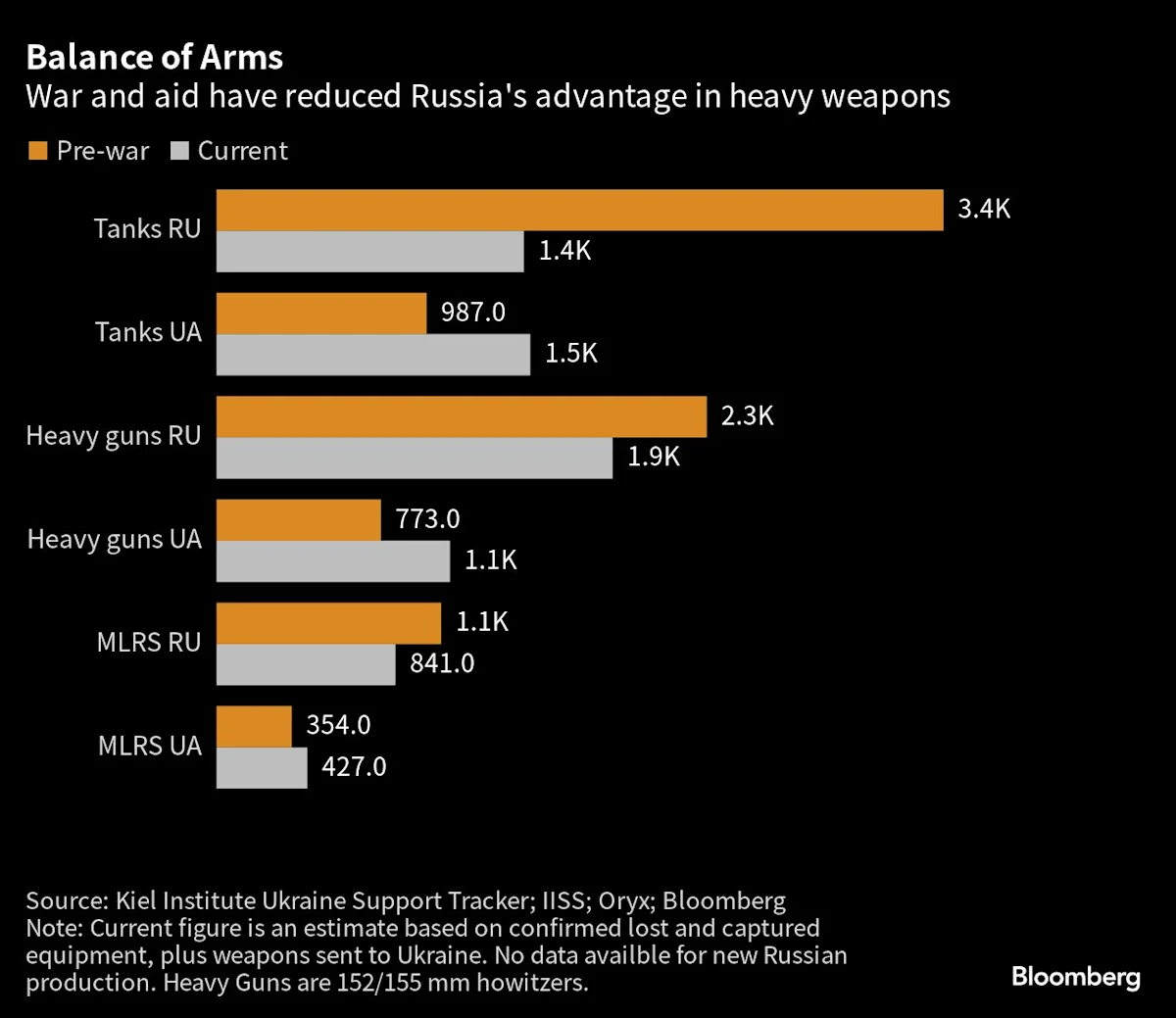
New data from the Ukraine Support Tracker database indicates that Ukraine's tank fleet has grown since the start of the war, while Russia's has halved. The data also shows a narrowing gap in terms of artillery and multiple-launch rocket systems. However, the balance of heavy arms is not decisive for Ukraine's ongoing counteroffensive, as they still need a strong advantage to regain territory. Aid pledges to Ukraine have slowed, with delays in the delivery of tanks and howitzers, potentially impacting their effectiveness.