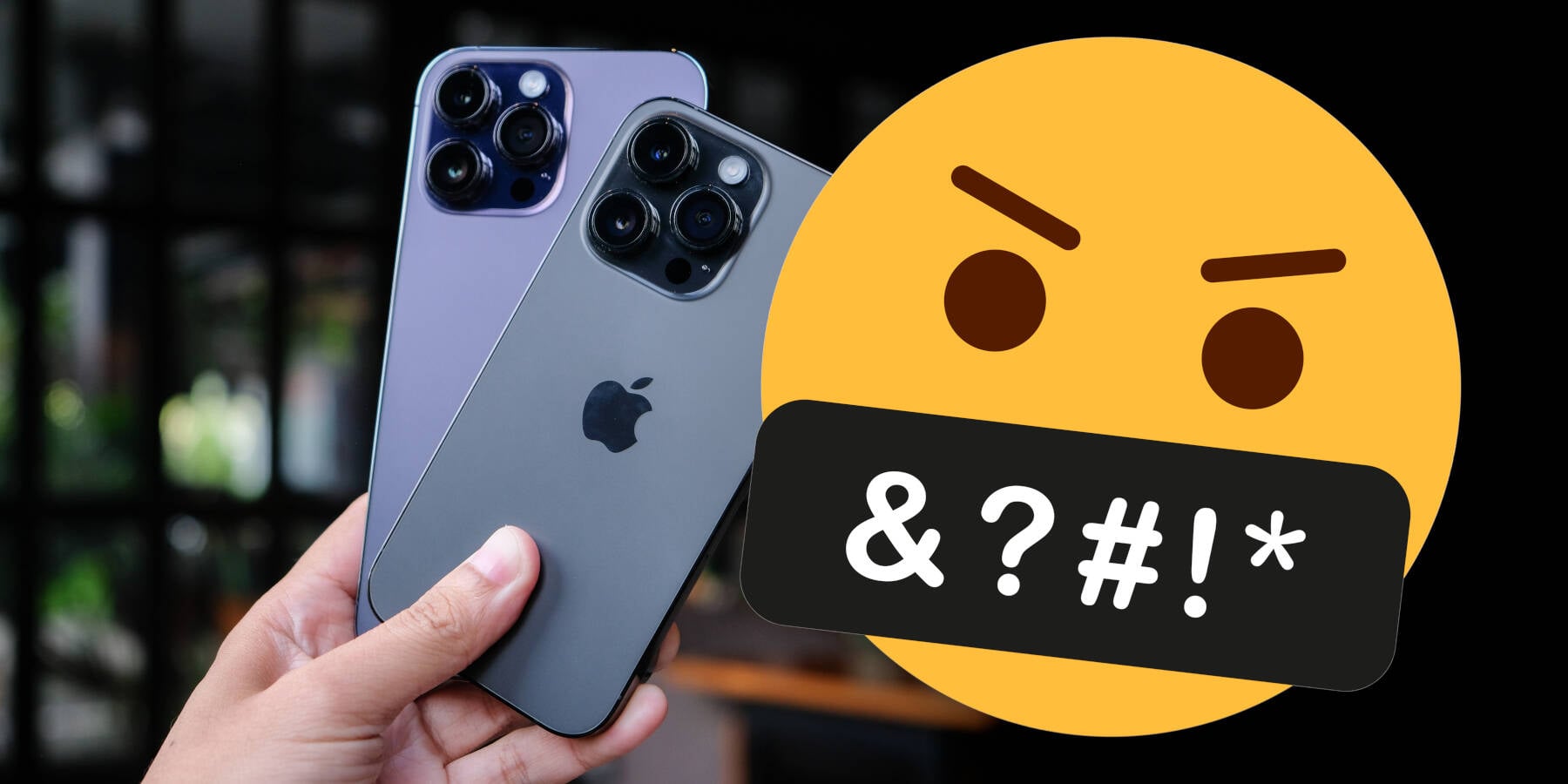
Many iPhone users are experiencing issues with autocorrect after updating to iOS 26, likely due to new on-device AI language models, but the exact cause remains unclear due to the secretive nature of Apple's technology and the complexity of modern AI systems.

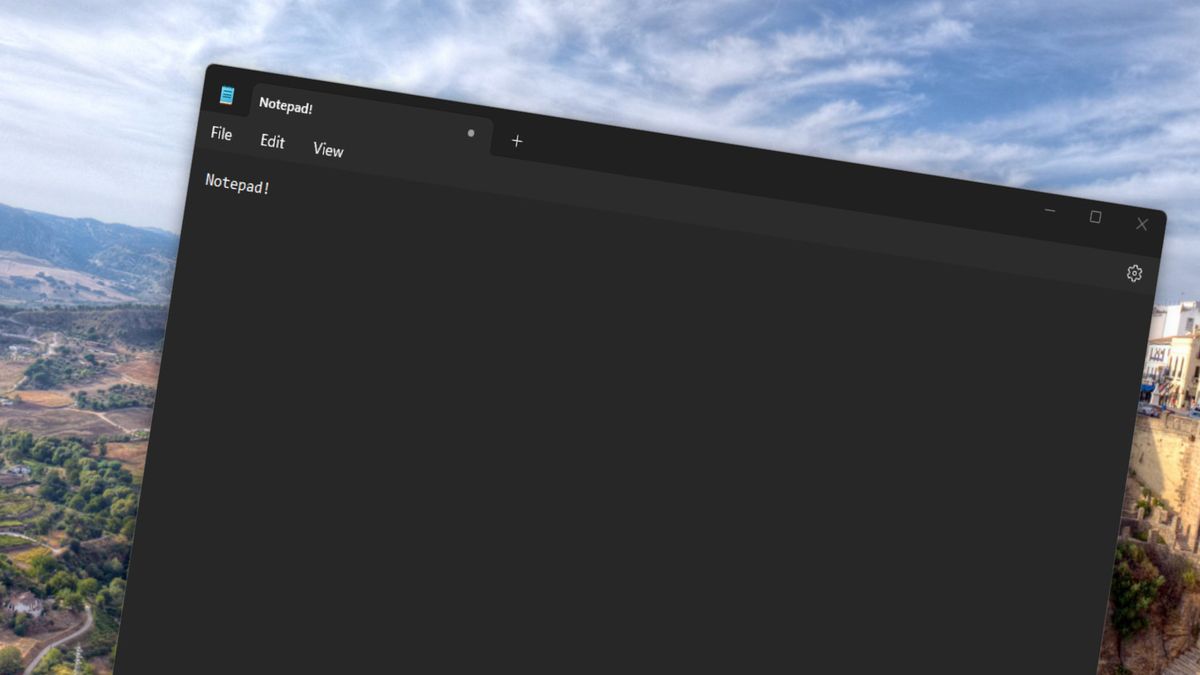
Microsoft has announced a preview release of Windows Notepad with built-in spellchecking and autocorrect features, marking a significant update for the long-neglected text editor. The update, currently available to Windows 11 Insiders, will highlight misspelled words and provide suggestions, as well as seamlessly fix common typing mistakes. Additionally, users can control settings for specific file types and ignore words in individual documents, with the autocorrect feature making automatic grammar and punctuation changes.
Windows Notepad, a default app in Windows 11, is set to receive long-awaited spell check and autocorrect features, allowing users to enable or disable them separately and choose which file types will use the features. Microsoft has been actively developing Notepad, adding tabs, character count, and AI-powered features like "Cowriter" and "Explain with Copilot." While third-party apps like Notepad++ offer alternatives, Notepad's upcoming enhancements aim to modernize the basic text editing app.
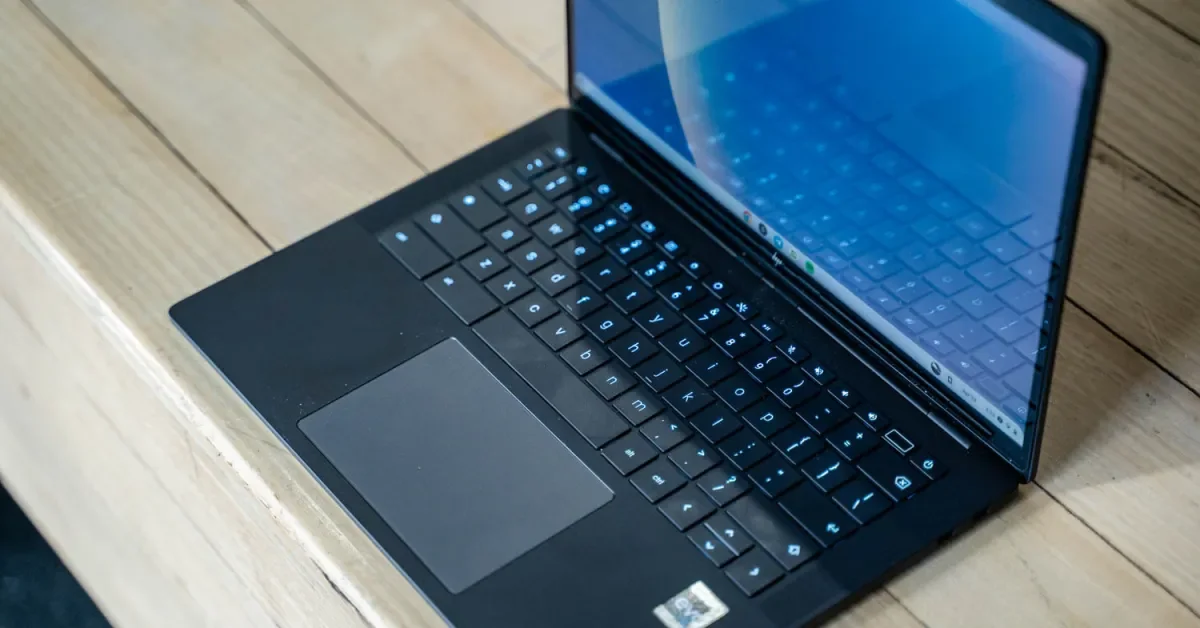
Google is rolling out ChromeOS 116, which includes enhanced Autocorrection, simultaneous search across local and Google Drive content in the Files app, OCR for converting image-based PDFs into text, customizable RGB keyboard options for select Chromebook models, and an updated setup experience with pre-configured customization options.
Apple has made several improvements to the keyboard and autocorrect features in iOS 17. The new autocorrect system uses a transformer language model to personalize suggestions based on user preferences, while also being less aggressive with correcting slang and acronyms. Users can now easily revert autocorrect changes by tapping on a blue line underneath the corrected word. Word and sentence autofill options have been added, along with better grammar correction and an updated dictation feature. Additionally, stickers and emoji have been merged, allowing for more versatile use across the operating system.
Elon Musk has commented on the upcoming iOS 17 update from Apple, specifically on the improvement to the autocorrect feature. The update will allow the keyboard to learn commonly used words, even those that might resemble expletives. Musk took to Twitter to express that if the reports about the tweak were true, it could be "Big." The iOS 17 update also includes a Journal app, StandBy's nightstand mode, live call transcripts in Voicemail, video messages in FaceTime, and more minor enhancements.
Apple has updated the iPhone's autocorrect feature to stop replacing swear words with "ducking." The keyboard will now learn and adapt to users typing the intended word, instead of substituting a logical option that changes the meaning of a particular phrase or sentence.
Apple has improved its autocorrect feature in iOS 17 by adding a transformer learning model that better understands what users mean by studying sentences as a whole. Autocorrected words will be underlined with the ability to revert them back, and predictive text will show suggestions inline. Speech recognition is also being improved with a transformer model. All of these features are done on-device for privacy. The non-developer public beta for iOS 17 is scheduled to begin next month.
Apple's upcoming iOS 17 iPhone software will stop autocorrecting swear words, thanks to new machine learning technology. The upgraded system is powered by a transformer language model, which Apple calls "a state-of-the-art on-device machine learning language model for word prediction." The update also aims to make autocorrect better at fixing grammatical mistakes and predicting words or phrases as users type, as well as making dictation more accurate. iOS 17 is set to be released this fall, along with other new features such as real-time voicemail transcriptions and improved sharing capabilities.
Apple has announced that its new iOS 17 iPhone software update will address the common autocorrect problem of replacing curse words with "ducking" or "duck." The update will make the iPhone keyboard "more accurate than ever" and allow users to type curse words without being autocorrected. Other updates include predictive text and the ability to leave messages on FaceTime. Apple's stock price set an all-time record, with its valuation just less than $3 trillion.
Apple has announced that its autocorrect feature will no longer change the f-word to "duck" in its upcoming iOS 17 update, which will be released in the fall. The new version of autocorrect will also learn how users text and make suggestions tailored to their language usage. The inventor of the iPhone's autocorrect system, Ken Kocienda, explained that the original iPhone allowed users to type the f-word without autocorrect, but if they missed a letter, it wouldn't correct to the cuss word.
Apple has announced a tweak to its autocorrect feature that will stop it from correcting swear words to "ducking" on the iPhone keyboard. The change was announced at Apple's event for developers on Monday, alongside other updates such as a new mixed-reality headset and a revamp of its desktop and laptop offerings. Apple's market valuation hit an all-time high on Monday, driven by the success of the iPhone. Users can still turn off the autocorrect feature if they wish to use profanity.
Apple's newest update, iOS 17, will include a new autocorrect system that will no longer replace curse words with "duck." The update will also allow users to revert back to the word they originally spelled out and finish words and sentences by clicking on the space bar. Other updates include leaving messages on Facetime, using Facetime on Apple TVs, search filters, live stickers, and the release of the Vision Pro virtual reality headset next year.
Apple's iOS 17 for the iPhone will feature improved autocorrect functionality, including the ability to learn curse words and allow users to easily revert to the original word. The system will also adapt to users' typing habits over time. The feature is expected to be especially popular for the word "ducking," which has long been substituted for a more profane word. The operating system will be available in beta next month and released in full in September.
Apple has announced that it will no longer automatically change the word "ducking" to a common swear word in its autocorrect feature. The new function will use AI to detect when users really mean to use the expletive. The change will be part of the iOS 17 operating system upgrades, which are expected to be available as a public beta in July, with the general release in September. Apple also unveiled an augmented reality headset, Apple Vision Pro, which will retail at $3,499 and be available early next year in the US and later in other countries.