
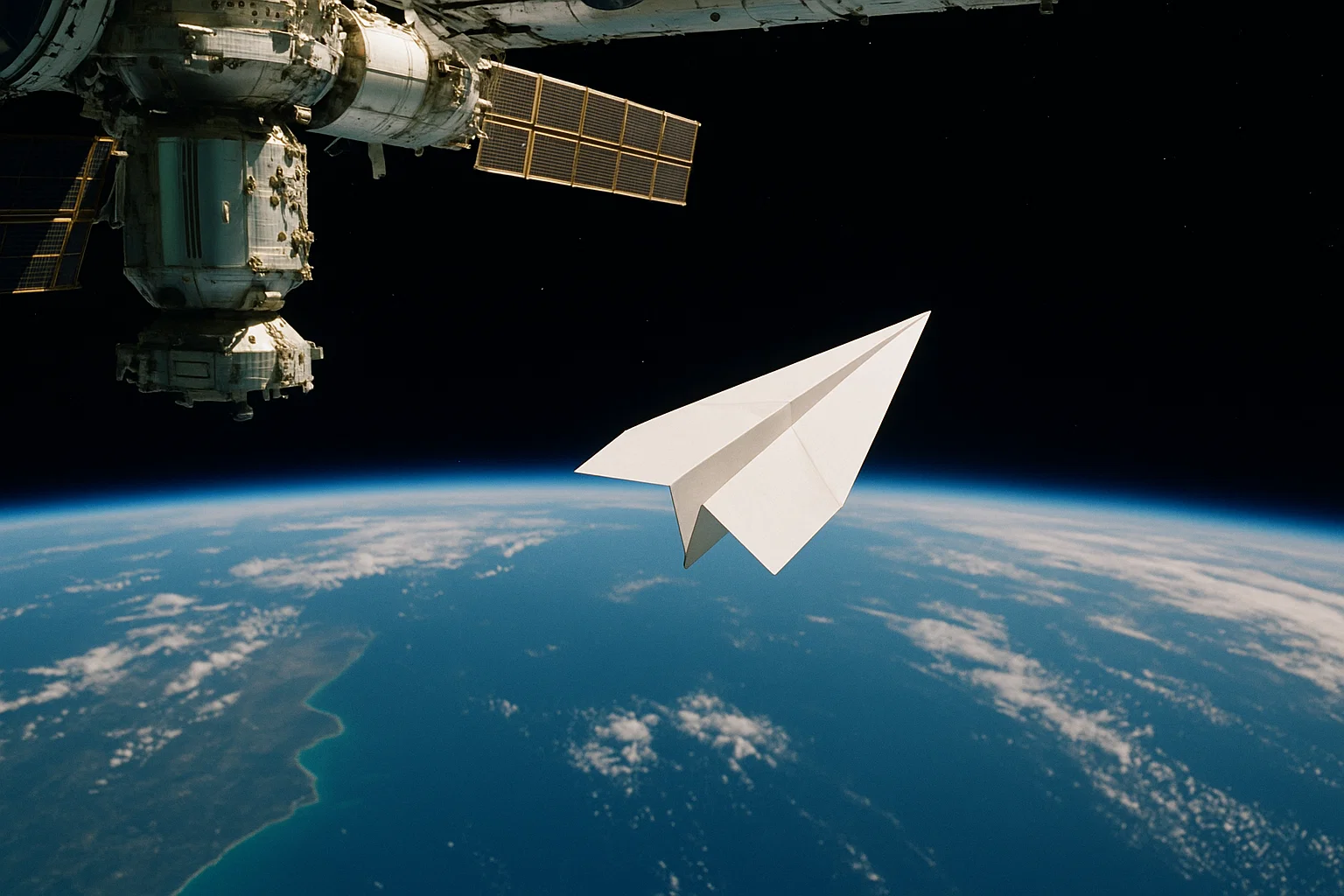
Researchers from the University of Tokyo simulated throwing a paper plane from the International Space Station to study its descent through Earth's atmosphere, revealing insights into aerodynamics, atmospheric density measurement, and sustainable space debris disposal, while highlighting the playful curiosity driving scientific exploration.
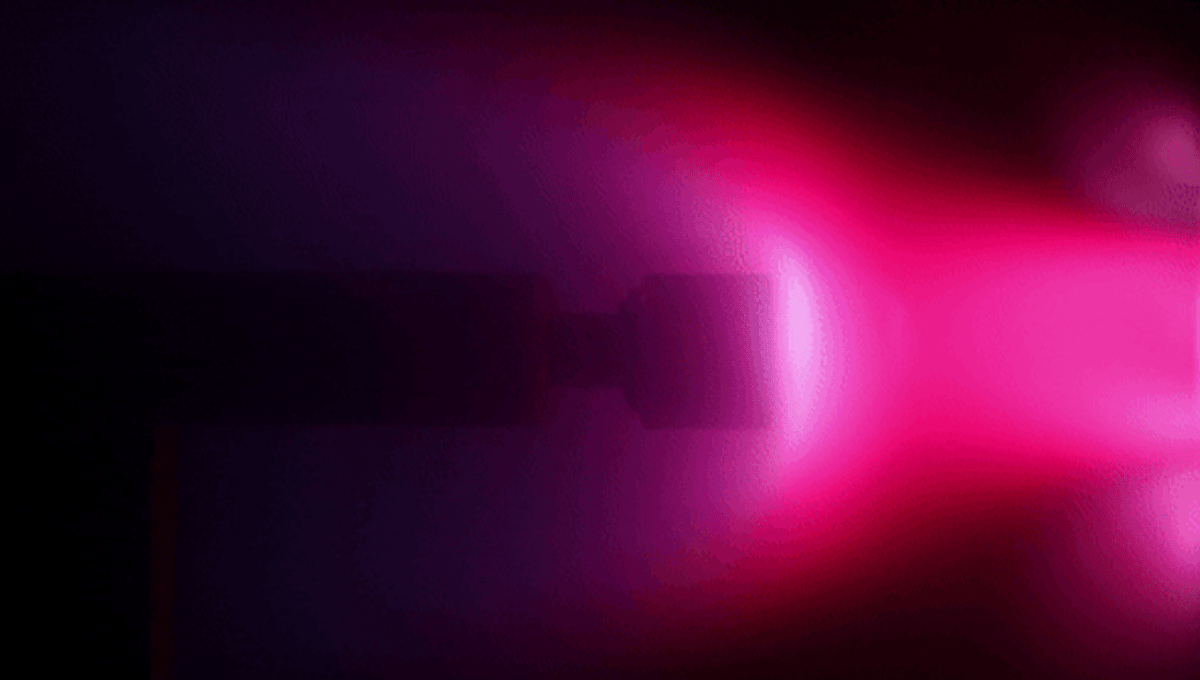
The European Space Agency (ESA) has simulated the atmospheres of Uranus and Neptune to understand what a spacecraft would experience upon entering their atmospheres. Uranus and Neptune, although primarily composed of hydrogen and helium like Jupiter and Saturn, have higher methane concentrations. The ESA aims to adapt current testing facilities to reproduce the atmospheric conditions and velocities involved in order to design a high-performance thermal protection system for a future mission. The experiments revealed that even small amounts of methane change the radiation spectrum during atmospheric entry.