The UK is imposing visa restrictions on the Democratic Republic of Congo due to its government's failure to cooperate with the UK's migrant return policies, following similar measures against Angola and Namibia, as part of broader asylum reforms.
The article highlights 15 significant European developments, including changes in asylum policies, speech laws, conscription, nuclear energy, and AI regulation, occurring amidst rising extremism, economic challenges, and security concerns, which are often overlooked in US news.
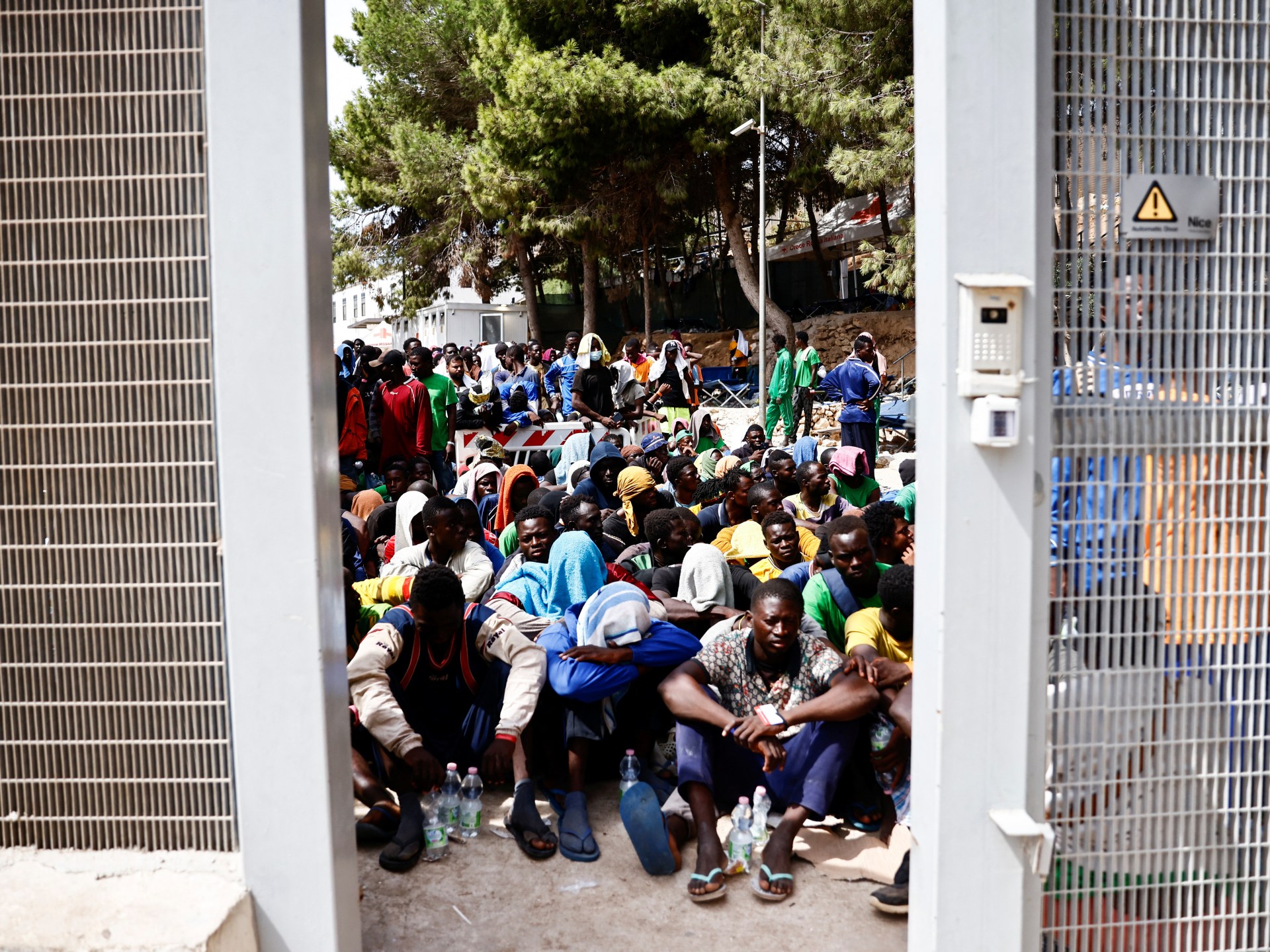
The European Union has reached an agreement on reforms to overhaul its migration system and tighten asylum rules. The deal includes sharing the cost of hosting migrants and refugees, limiting the number of people entering the bloc, and creating border detention centers. However, rights groups and political parties have criticized the pact, calling it "unworkable" and warning of a surge in suffering. Amnesty International says the agreement will set back European asylum law and make it harder for people to access safety. The accord still needs formal approval before becoming law, likely in 2024.
As the European Union (EU) faces another migrant tragedy in the Mediterranean Sea, EU leaders are pushing ahead with plans to tighten borders and address migration. The EU's priorities include stabilizing Tunisia's economy, finalizing the reform of asylum rules, and outsourcing the management of migration to partner countries. The EU's approach focuses on limiting irregular departures, fighting migrant smuggling, and establishing comprehensive partnerships with third countries. The New Pact on Migration and Asylum, a work in progress, aims to address responsibility-sharing among member countries. However, the EU's emphasis on border security and migrant screening suggests that saving lives at sea is not a high priority.
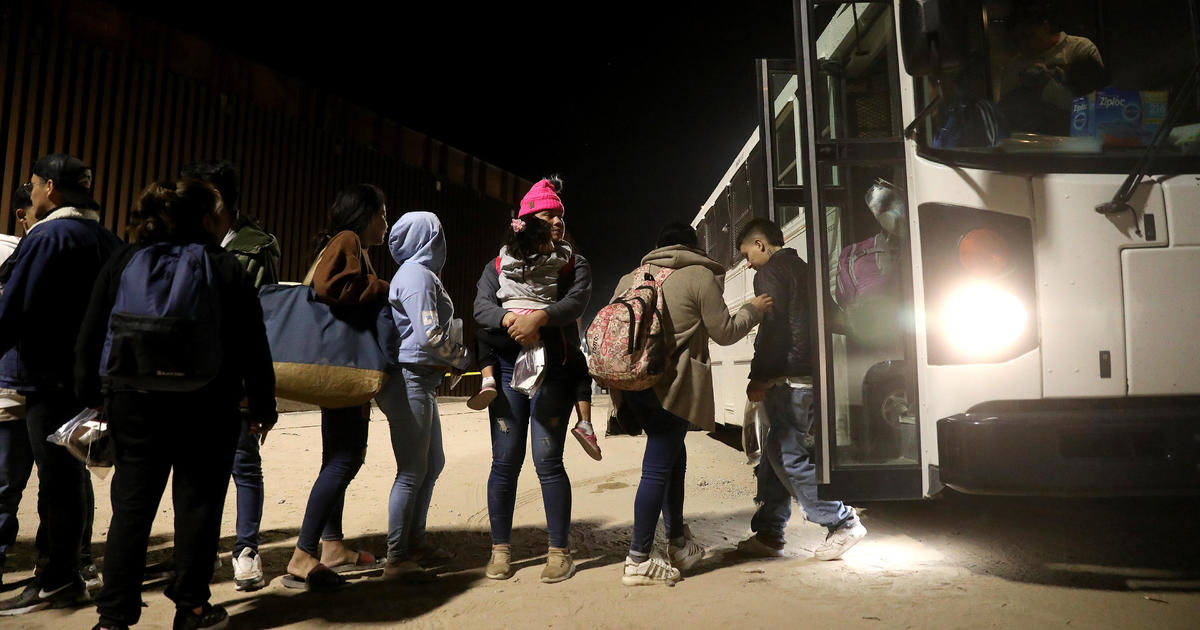
The number of unauthorized entries along the southern border has dropped to an average of 4,400 per day after soaring to 10,000 last week ahead of the expiration of Title 42 border restrictions, a senior U.S. official said Wednesday, attributing the sharp drop to increased deportations, tighter asylum rules and efforts by other countries to stop U.S.-bound migrants. The Biden administration has increased regular deportations and returns to migrants' home countries and Mexico, which recently agreed to accept Cubans, Haitians, Nicaraguans and Venezuelans turned back by the U.S.
The US has replaced the Title 42 Covid-19 border restrictions with new asylum rules aimed at deterring illegal crossings from Mexico. The new rules presume most migrants are ineligible for asylum if they passed through other nations without first seeking protection elsewhere, or if they failed to use legal pathways for US entry. Immigration advocates have filed a legal challenge against the new regulations, which they say "dramatically curtails the availability of asylum in the United States". The sudden policy shift has put a historic strain on the nation’s beleaguered immigration system, with up to 28,000 migrants being held at US Customs and Border Protection facilities.