cryptocurrency-fraud2.54 min read
"Terraform Founder Do Kwon Found Liable in SEC's Crypto Fraud Trial"
1 year ago•Source: New York Post

The latest cryptocurrency fraud stories, summarized by AI
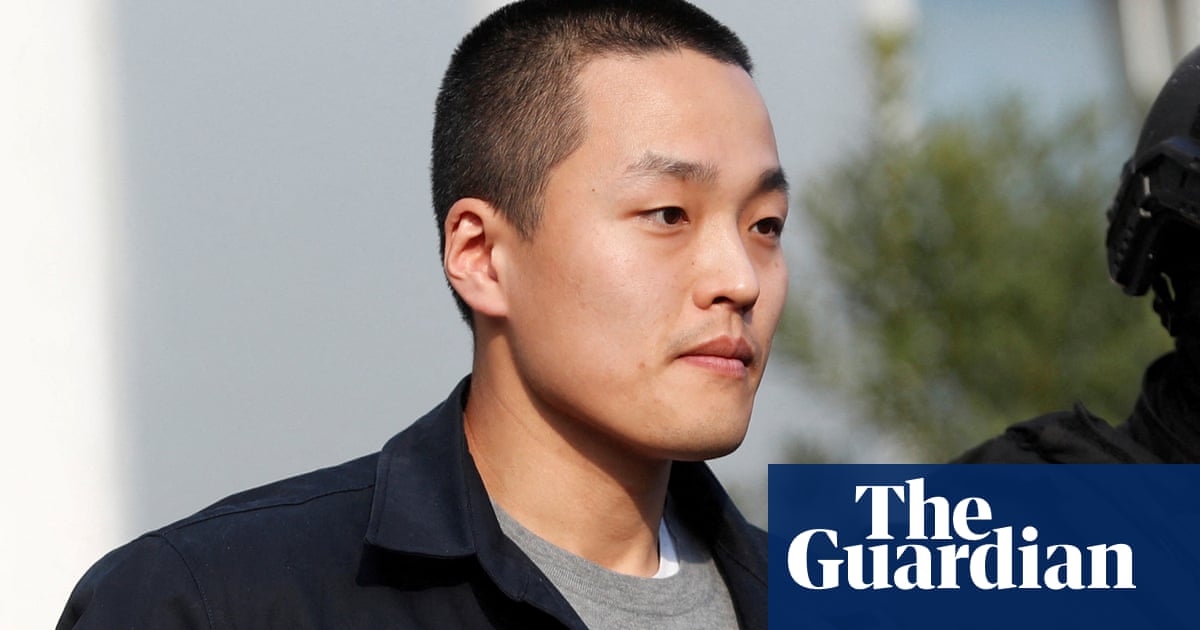
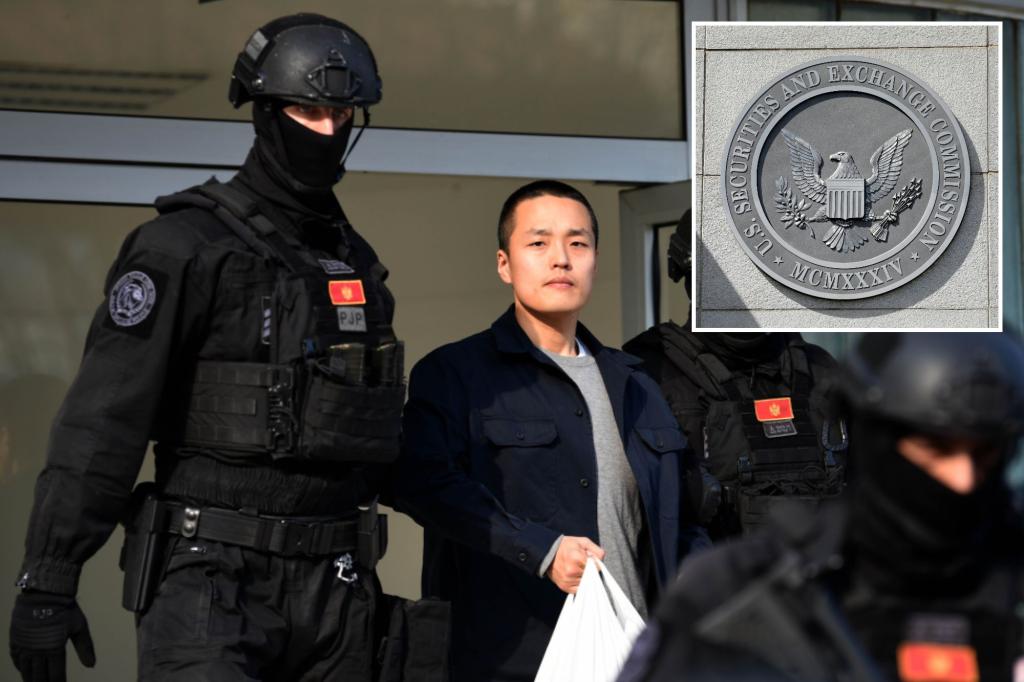
A jury in Manhattan found former crypto CEO Do Kwon and his firm Terraform Labs liable on civil fraud charges, agreeing with the US SEC that they misled investors before the 2022 collapse of their cryptocurrency, causing widespread market havoc. Kwon, who has been detained in Montenegro since March 2023, faces extradition requests from both the US and South Korea. The SEC seeks civil financial penalties and orders barring Kwon and Terraform from the securities industry. The collapse of TerraUSD and Luna tokens led to over $40bn in investor losses and bankruptcy filings, prompting US financial regulators to crack down on shady crypto practices.

New York Post •2 years ago
Daily Mail•2 years ago

Brenda Chunga, also known as "Bitcoin Beautee," has pleaded guilty to her involvement in the $2 billion HyperFund cryptocurrency Ponzi scheme. Chunga, who made nearly $4 million promoting the scheme on social media, faces up to five years in prison, while her co-founder and another promoter also face charges. This case is part of a broader crackdown on cryptocurrency fraud by American authorities, following actions against major exchanges and other fraudulent schemes.
The Department of Justice has announced criminal charges against two individuals and the guilty plea of a third person for orchestrating a $1.9 billion cryptocurrency fraud scheme known as HyperFund, with the Securities and Exchange Commission also filing related civil charges against two of the individuals involved. The defendants falsely claimed that investors in HyperFund would receive substantial returns from cryptocurrency mining operations that did not exist, with the DOJ calling the level of alleged fraud staggering. Charged in the criminal case were Sam Lee, an Australian citizen living in Dubai, as well as two HyperFund promoters, Rodney Burton and Brenda Chung.
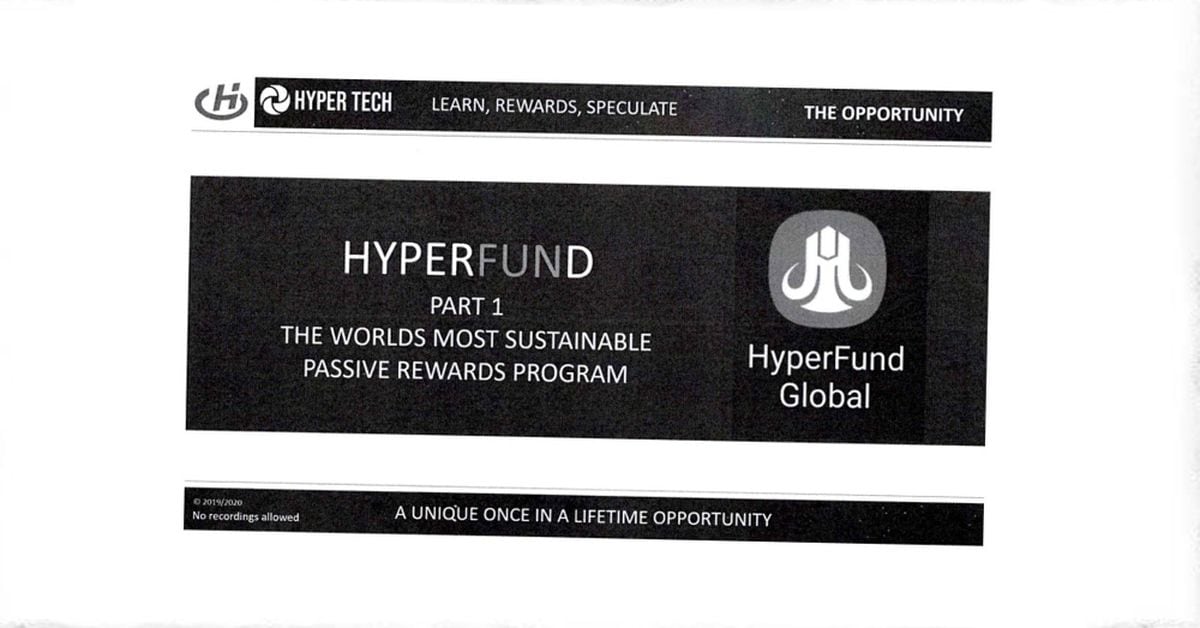
The U.S. SEC and a grand jury have alleged that HyperVerse, a fraudulent crypto investment scheme, raked in nearly $2 billion by cheating investors with a pyramid and Ponzi scheme, and even hired an actor to pose as its CEO. The SEC lawsuit accuses the founders of cheating investors and demands they return any ill-gotten gains, with one of the accused agreeing to settle the charges. The scheme's promoters are also facing criminal indictments for wire fraud, and earlier this month, another individual was arrested for allegedly defrauding millions through the same scheme.

A Colorado pastor and his wife are accused of defrauding hundreds of local Christians in a cryptocurrency scheme, allegedly raising over $3 million by selling a "practically worthless" crypto called INDXcoin. The couple, who had no experience in cryptocurrency, used the funds for a lavish lifestyle, including a Range Rover, luxury items, and boat rentals. The pastor claimed that his plan was inspired by God and that investors would become wealthy, but a third-party auditor found INDXcoin to be "unsafe, unsecure, and riddled with technical problems." The couple is facing civil fraud charges and are scheduled to appear in court next week.

Pastor and wife charged with fraud for creating and selling a cryptocurrency called INDXcoin to Christian communities, allegedly using the proceeds to support their lavish lifestyle. They targeted Christian communities in Denver, claiming that God told them investors would become wealthy, but the coin was found to be unsafe, unsecure, and riddled with technical problems. The Regalados are accused of dissipating investor funds while promoting the coin as a low-risk, high-profit investment, resulting in millions of dollars in losses for investors. Authorities are urging anyone who invested with INDXcoin or the Regalados' other entities to contact the Colorado Division of Securities.
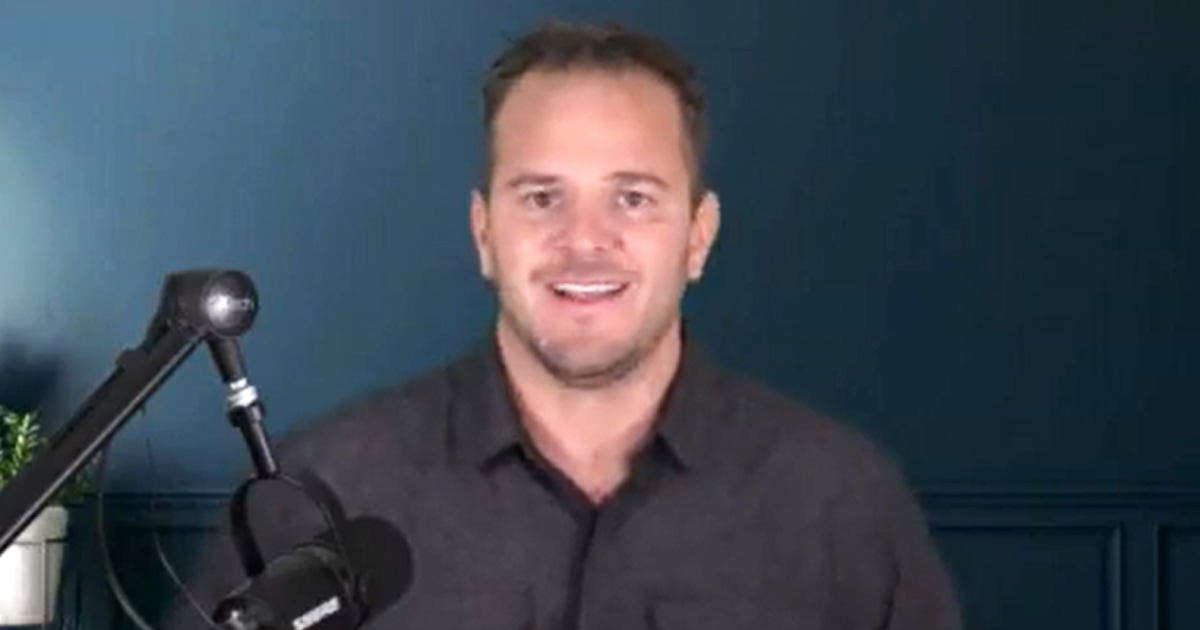
A Colorado pastor and his wife are accused of pocketing $1.3 million through a cryptocurrency fraud scheme, claiming that the Lord told them to do it. They marketed their cryptocurrency, INDXcoin, to Christian communities in Denver, promising wealth through investment. The couple allegedly spent investors' funds on personal expenses, including a home remodel, luxury items, and travel. They face charges of securities fraud, unlicensed broker-dealer activity, and selling unregistered securities, and are scheduled to appear in court. The Colorado Securities Commissioner urges those who invested in INDXcoin to contact the authorities.
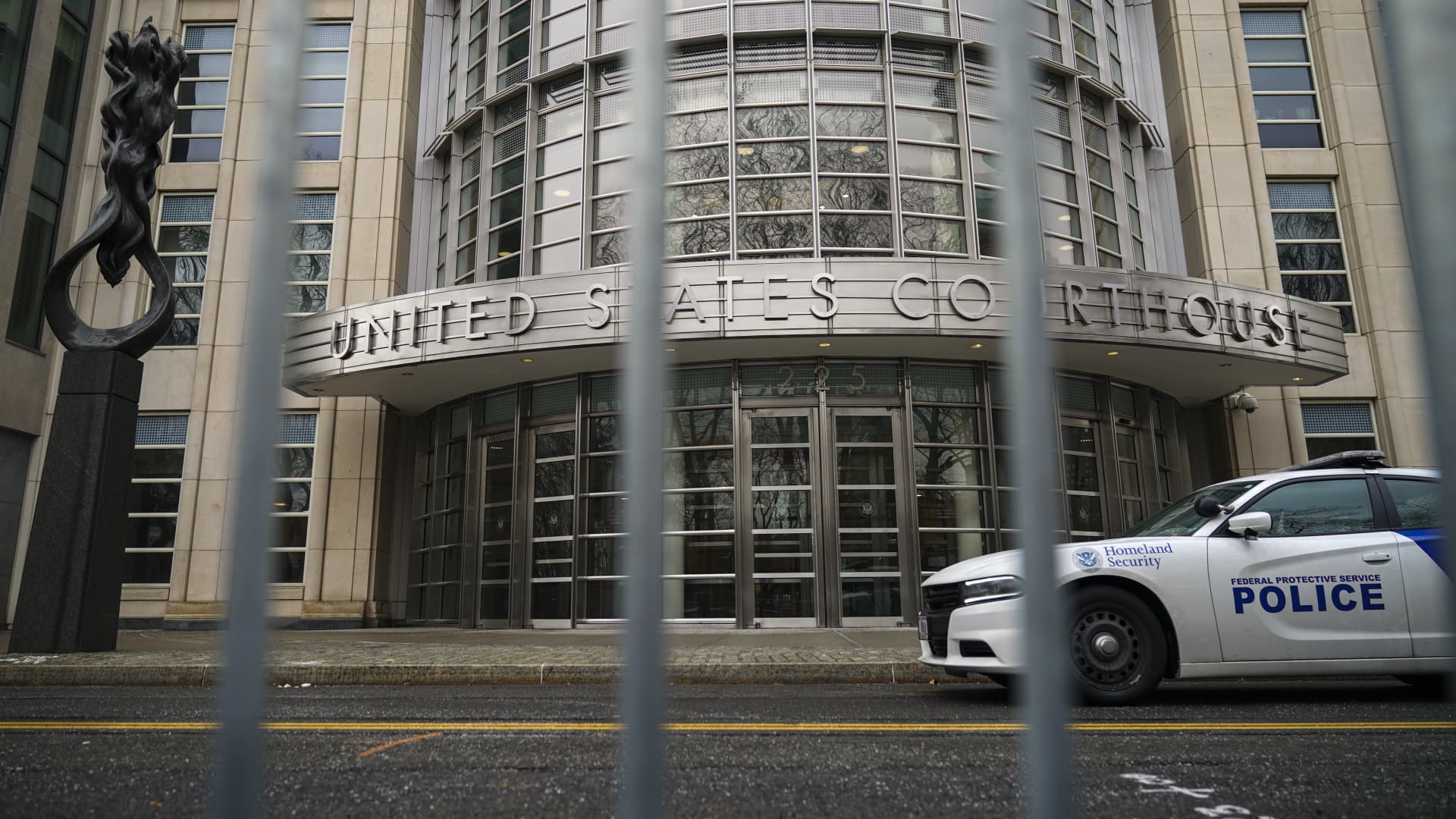
German businessman Horst Jicha, CEO of USI Tech, has been charged with defrauding investors of over $150 million through a fraudulent crypto mining and trading platform marketed as accessible to retail investors. Prosecutors allege that Jicha and two co-conspirators lured investors into a multilevel marketing scheme, falsely promising high returns on crypto investments. Jicha, who was arrested upon entering the U.S., faces charges including securities fraud, wire fraud, and money laundering. The indictment claims that around $150 million of investors' money was transferred to accounts controlled by Jicha after USI Tech's U.S. operations were terminated in 2018.
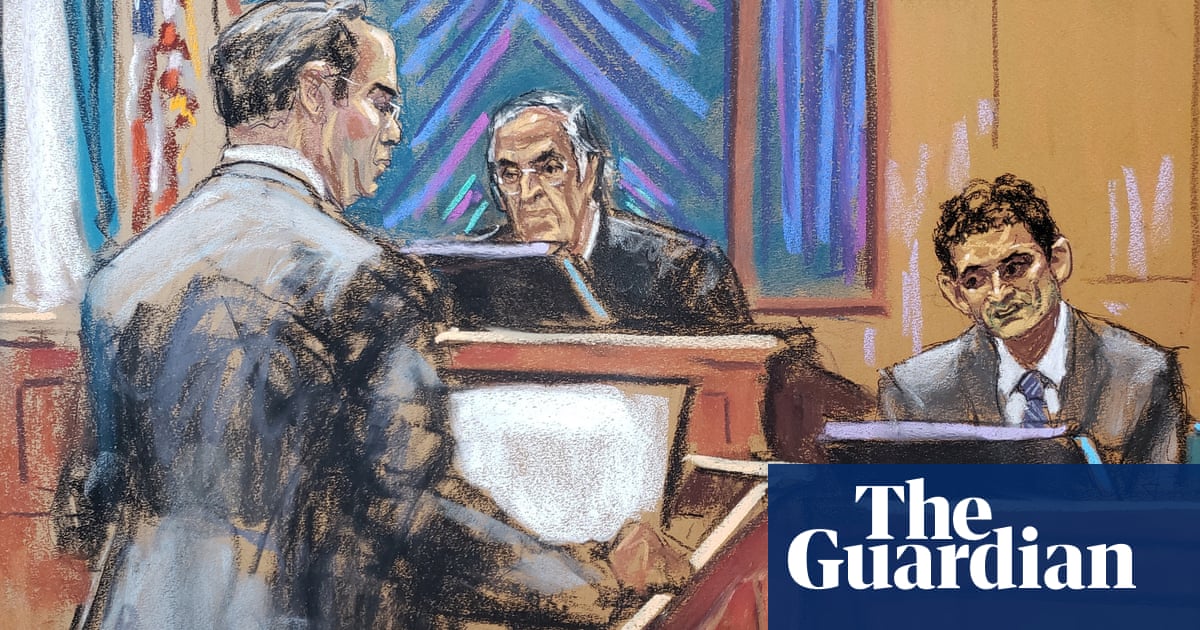
In the closing arguments of Sam Bankman-Fried's crypto fraud trial, the prosecution portrayed him as a scammer who created a "pyramid of deceit" with his cryptocurrency exchange, FTX. The prosecution argued that Bankman-Fried siphoned FTX customer funds into his sister hedge fund, Alameda, to cover its debt, leading to FTX's collapse. The defense countered by emphasizing that the prosecutor's focus on Bankman-Fried's appearance and personal life was irrelevant to the charges. The prosecution also criticized Bankman-Fried's testimony, accusing him of lying and using hi-tech subterfuge to cheat customers. They argued that he peddled a false sense of security while taking money from FTX customers, making him guilty of fraud.
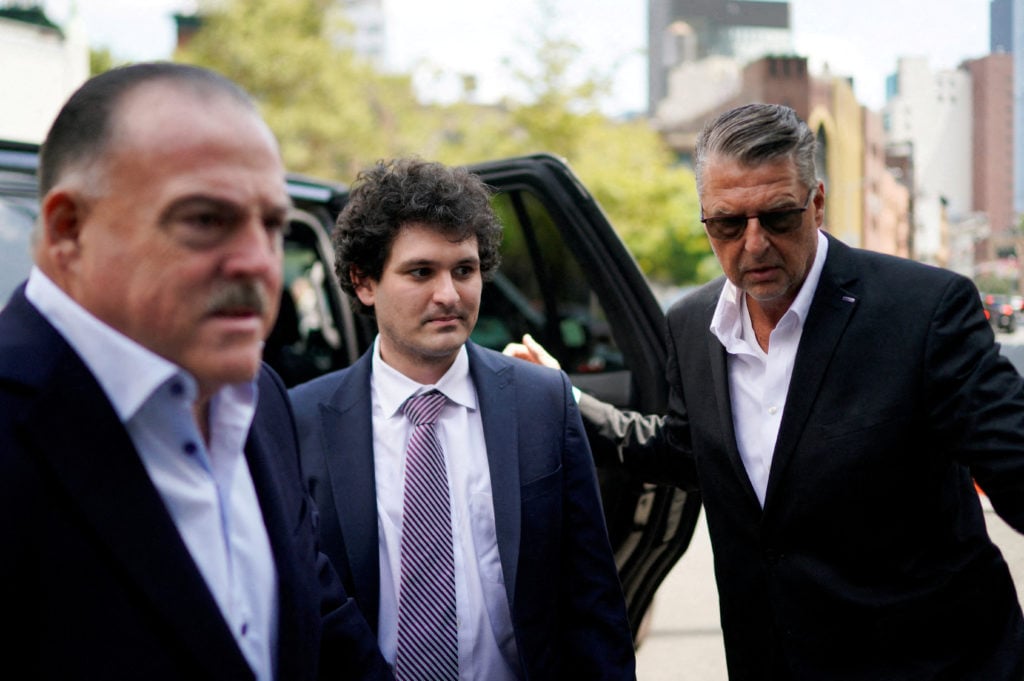
FTX co-founder Gary Wang testified in a New York trial that Sam Bankman-Fried, the co-founder of FTX, authorized the illegal use of customer funds to cover losses at affiliated hedge fund Alameda Research. Prosecutors allege that Bankman-Fried stole billions of dollars to fund a lavish lifestyle and buy influence. Wang, who pleaded guilty to fraud charges, testified that Bankman-Fried ordered him to insert code into FTX's operations, allowing Alameda Research to make unlimited withdrawals and have a line of credit up to $65 billion. The losses at Alameda reached $14 billion, leading to FTX's bankruptcy filing. Wang also claimed that Bankman-Fried ordered the transfer of FTX's remaining assets to Bahamian regulators instead of U.S. authorities.
The Securities and Exchange Commission (SEC) has obtained emergency relief, including a temporary asset freeze and restraining order, against Digital Licensing Inc., also known as "DEBT Box," and its principals, along with 13 other defendants, in connection with a fraudulent scheme to sell unregistered securities called "node licenses." The defendants allegedly raised approximately $50 million and undisclosed amounts of Bitcoin and Ether from hundreds of U.S. investors by falsely claiming that the licenses would generate crypto asset tokens through mining activity. The SEC's complaint alleges that the node licenses were a sham, and the defendants lied about the revenues of businesses driving the token values. The SEC seeks permanent injunctive relief, the return of ill-gotten gains, and civil penalties.