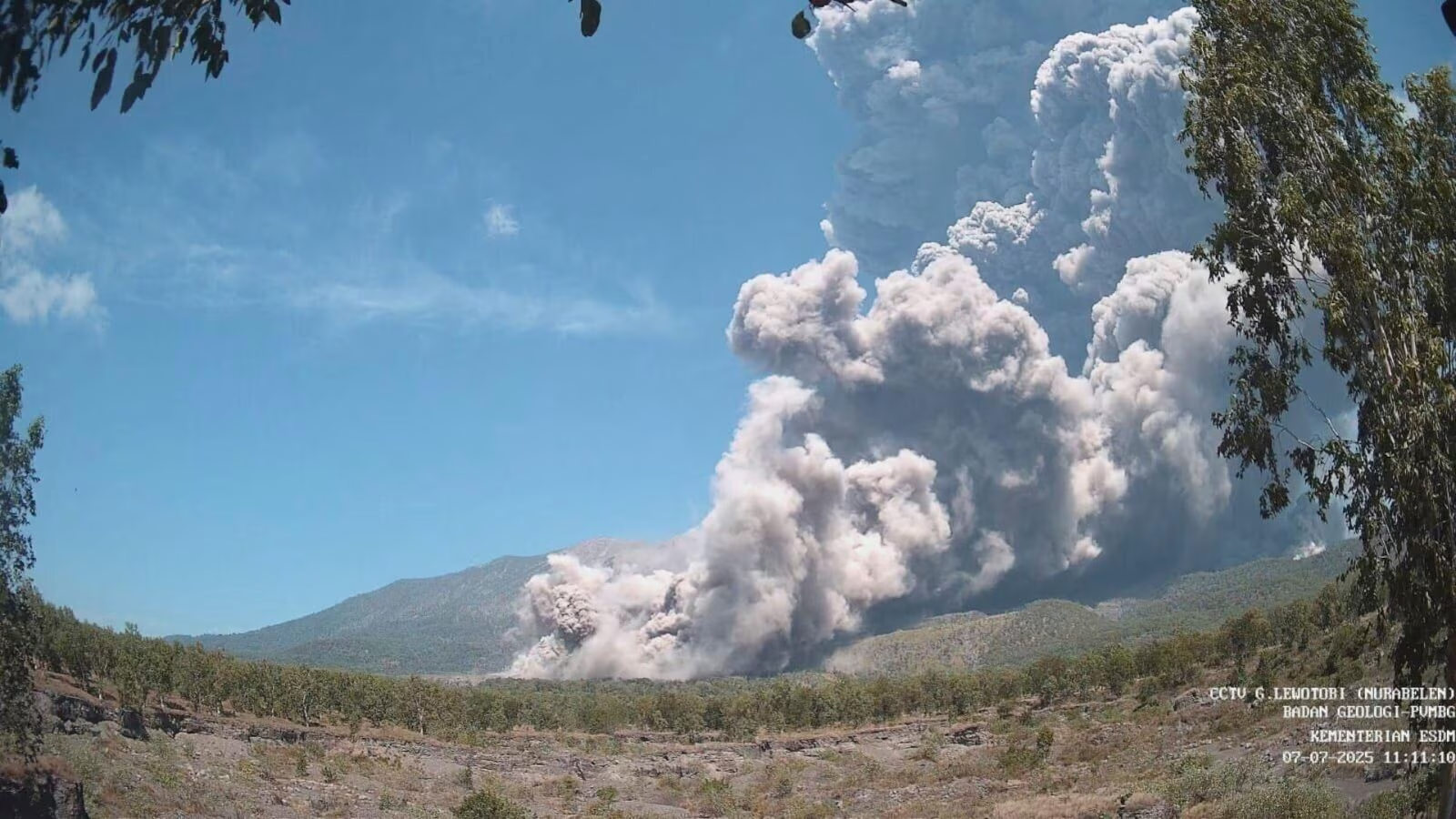
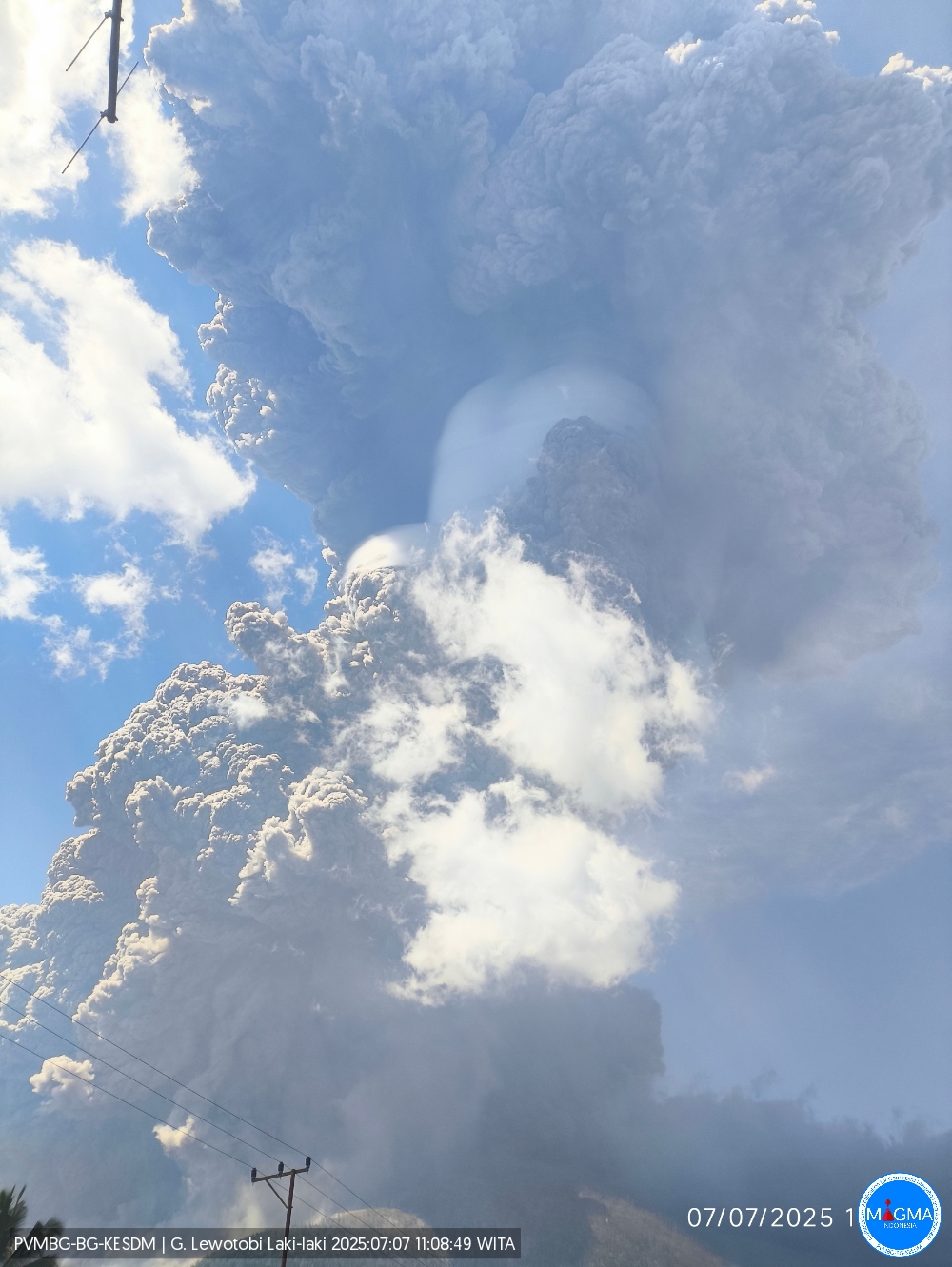
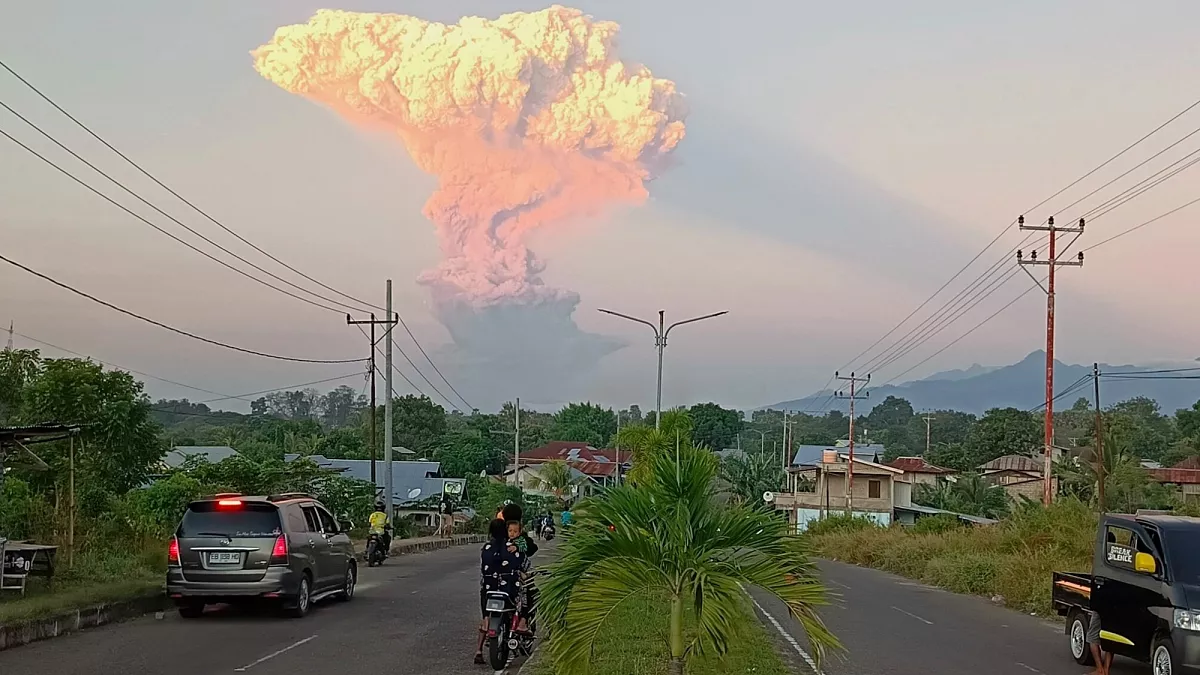
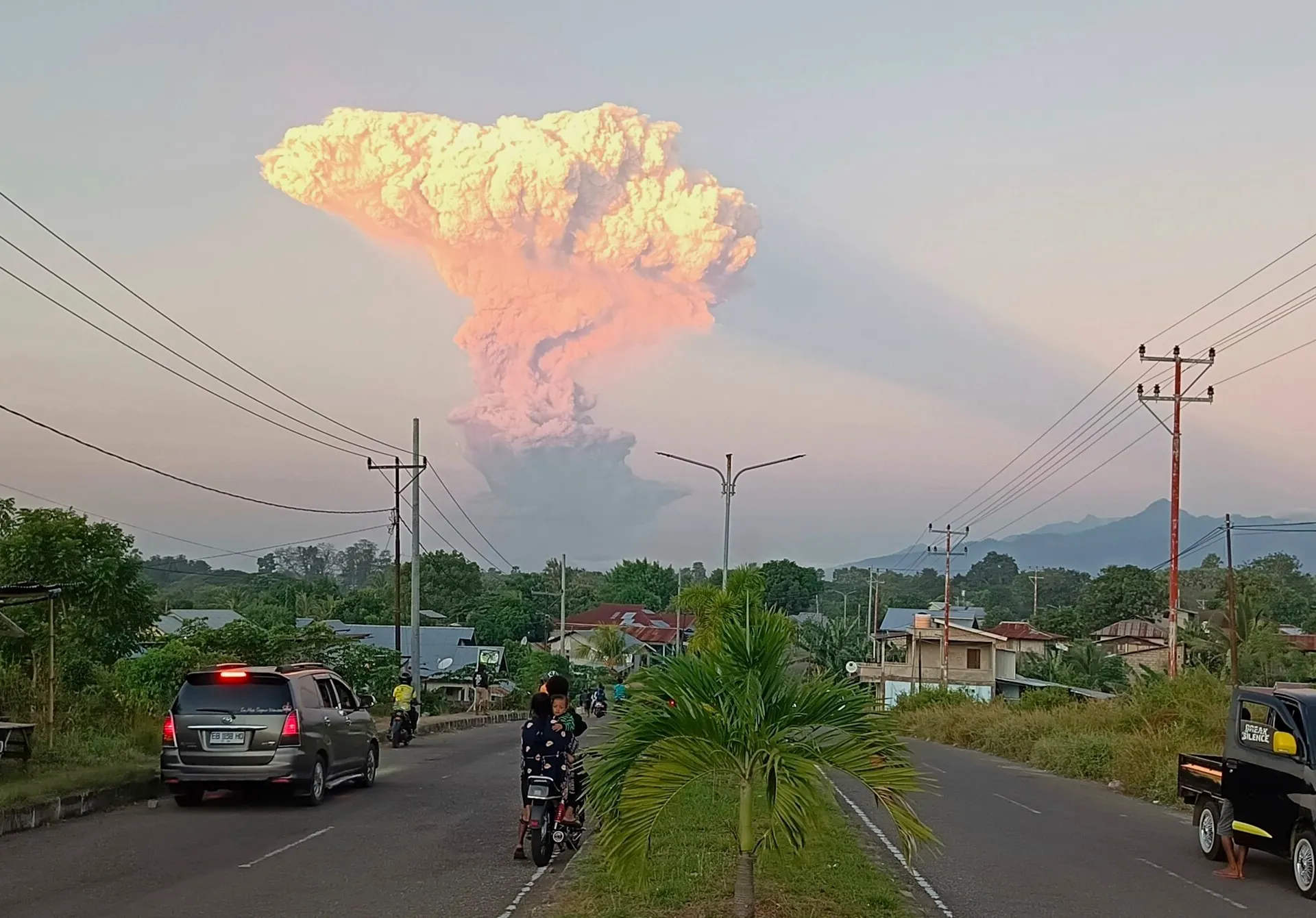
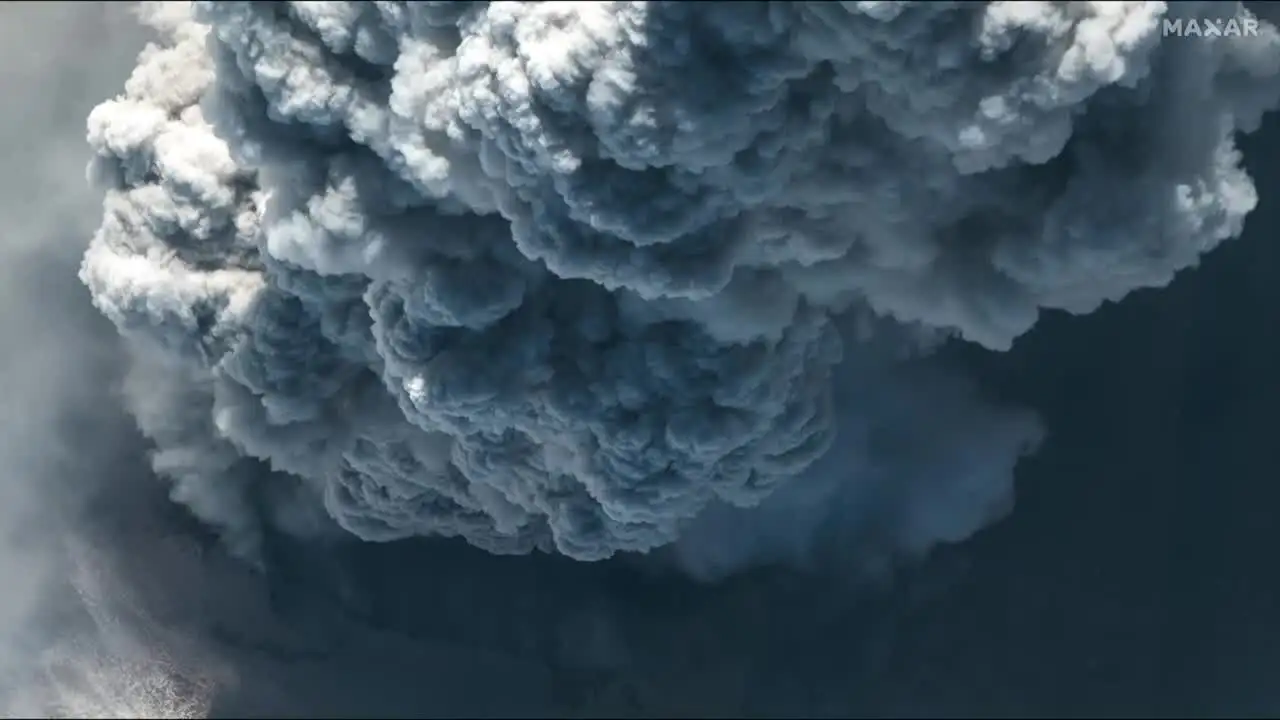
Mount Lewotobi Laki Laki in Indonesia erupted, sending an ash cloud 11 miles high, causing flight cancellations and prompting safety measures, with no immediate casualties reported.
The Lewotobi Lakilaki volcano in Flores, Indonesia, erupted on July 7, 2025, producing a massive ash cloud reaching 63,000 feet and a pyroclastic flow, prompting an alert level IV warning and a 6-7 km exclusion zone.
A volcanic eruption at Mount Lewotobi Laki Laki in Indonesia has caused significant ash clouds, leading to over 20 flight cancellations and airport closures, raising safety concerns for travelers heading to Bali and nearby regions.
A volcanic eruption of Mount Lewotobi Laki-Laki in Indonesia's East Nusa Tenggara has caused an 11km ash cloud, leading to the cancellation of at least 32 flights to and from Bali, and prompting evacuations and safety measures in the region.
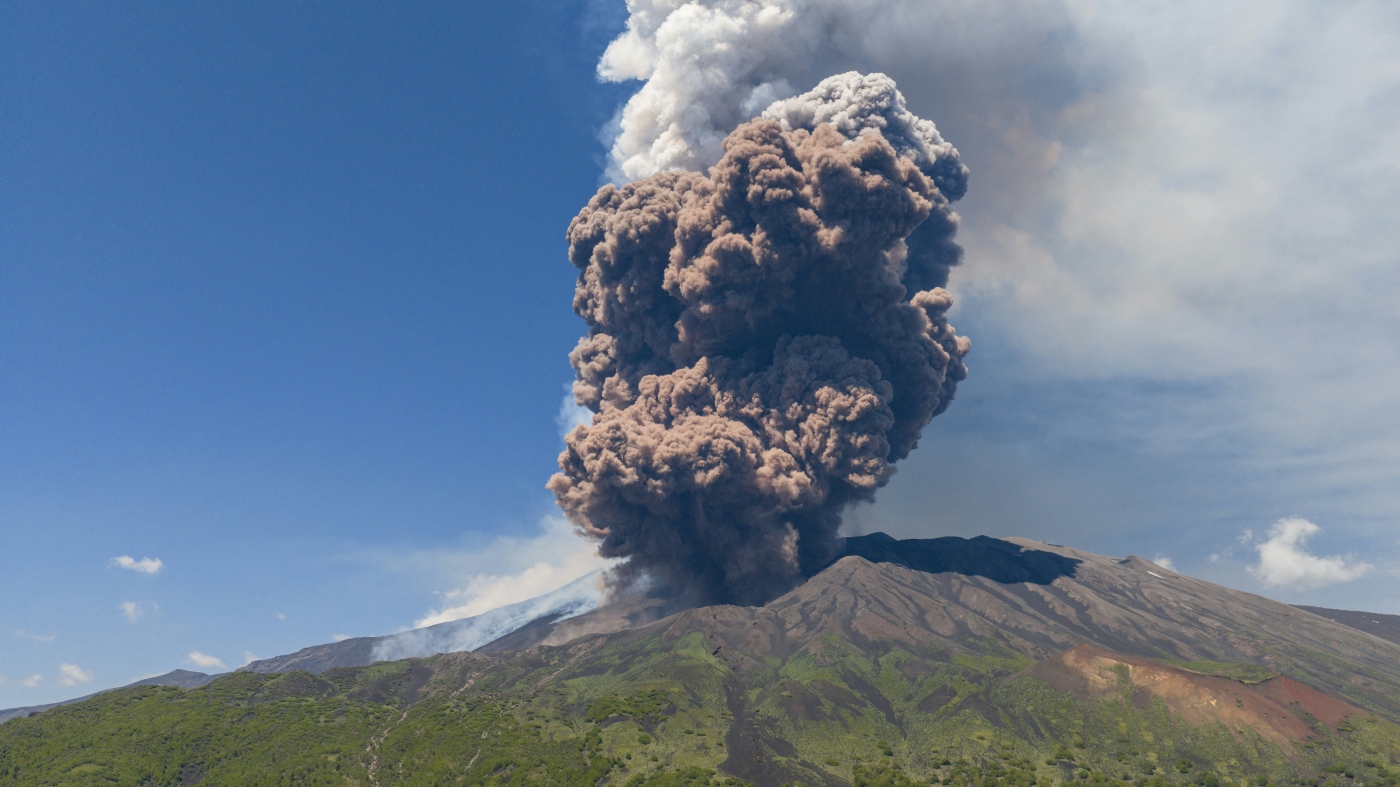
Mount Etna, Europe's highest active volcano, erupted explosively, sending a large ash cloud into the sky and triggering aviation alerts, though immediate impacts on people were minimal and activity has since decreased.
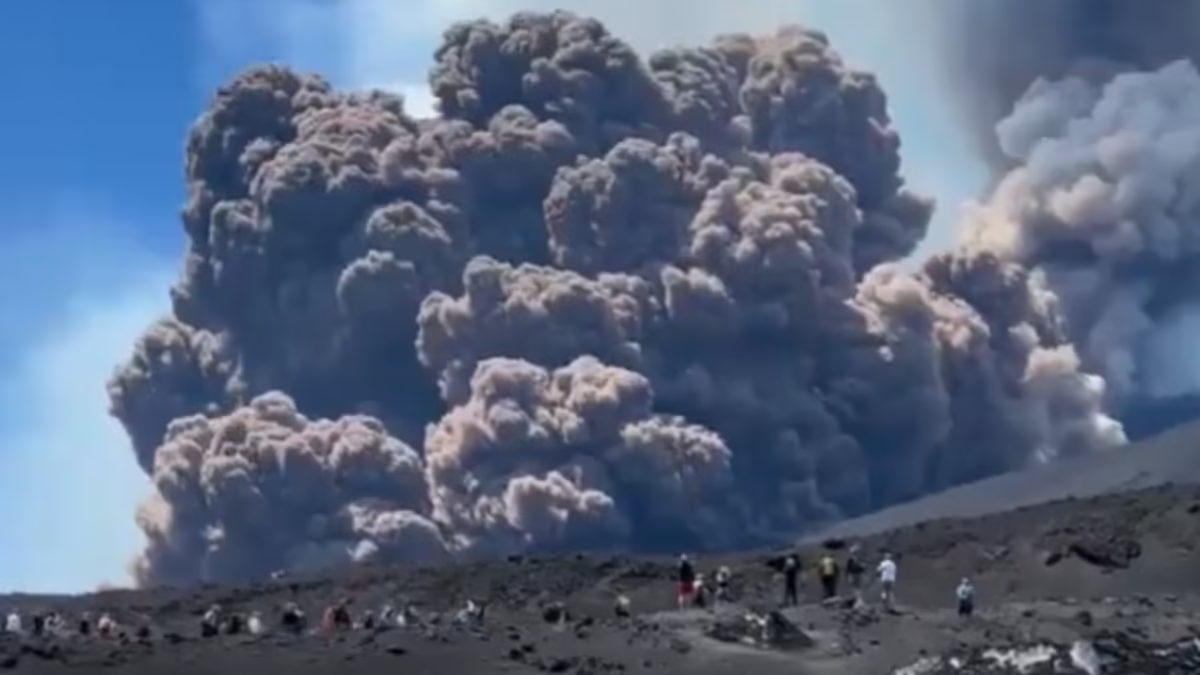
Mount Etna erupted with a massive ash plume over a mile high, causing tourists to flee in panic while seismologists observed ongoing explosive activity, with ash affecting nearby towns and air travel.
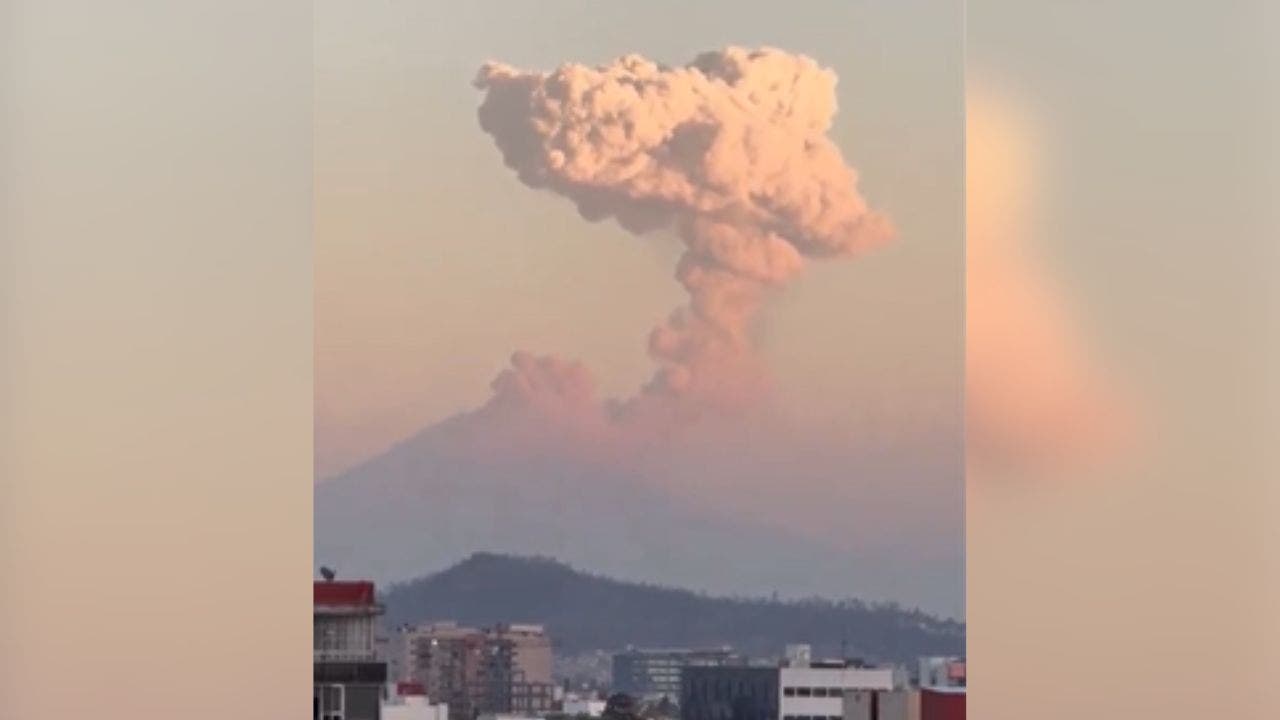
Mexico's Popocatépetl volcano, also known as "El Popo," erupted, spewing a large plume of ash and gas into the sky, prompting officials to issue a yellow alert and caution people to stay away from the area. The volcano, located 45 miles southeast of Mexico City, has been erupting two to three times daily for almost a week. Meanwhile, a volcano in Iceland that has been erupting since December appears to have quietened after causing the closure and evacuation of the popular tourist destination, Blue Lagoon, and prompting officials to declare a state of emergency.
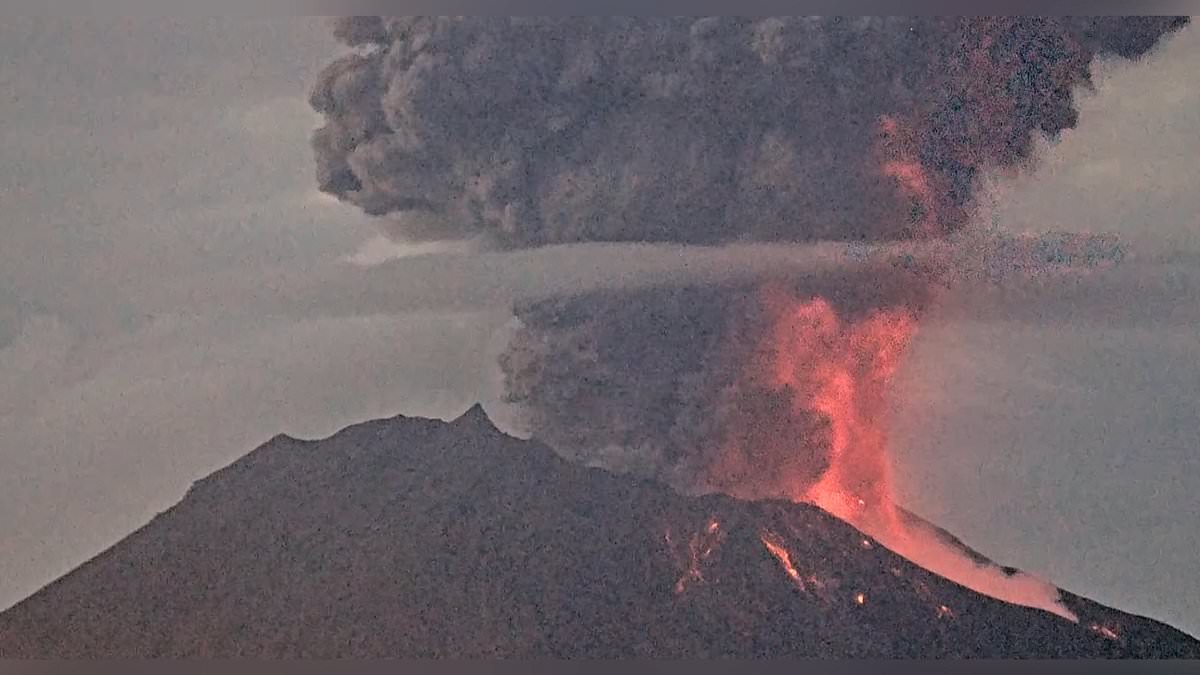
Japan's Sakurajima volcano erupted, sending a massive ash cloud 16,000ft into the air and launching boulders nearly a mile, with residents warned they may have to evacuate. The eruption, which began on Wednesday evening, has prompted warnings from Japan's Meteorological Agency for residents to be ready to evacuate if the eruptions intensify. While there have been no immediate reports of injuries or damage, the volcanic warning level 3 has been issued for the area, urging people to stay alert to the possibility of pyroclastic flows within a mile of the volcano's summit and crater.
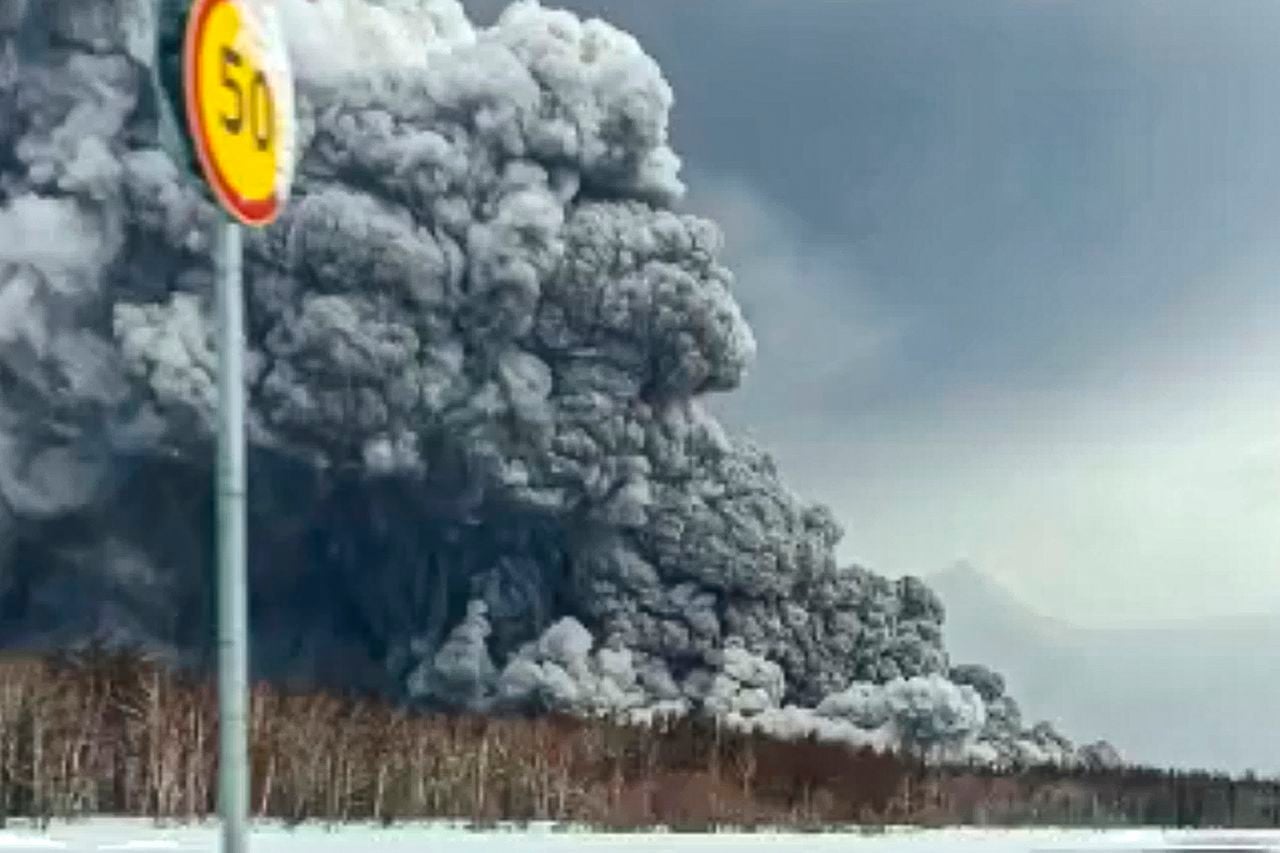
Ash from a Russian volcano has caused flight cancellations at several airports in Washington and Idaho, including Seattle and Spokane. The National Weather Service Aviation Warning Center issued an advisory warning pilots of an ash cloud in northeastern Washington and northern Idaho. Alaska Airlines has already canceled more than two dozen flights due to the ash, primarily in Alaska. The Shiveluch volcano, one of Kamchatka Peninsula’s most active volcanoes, started erupting early Tuesday, spewing ash more than 300 miles northwest.
An ash cloud from a Russian volcano has caused Alaska Airlines to cancel over 90 flights since Wednesday, with more cancellations and delays expected. The ash cloud is hanging over the Gulf of Alaska and the North Pacific ocean, and has even reached parts of Western Canada and Washington State. The cloud is made up of sulfur dioxide gas and ash, but is expected to disperse in the next few days. Travelers are advised to check their flight status before coming to the airport.
Dozens of flights to, from and within Alaska were canceled on Thursday due to clouds of volcanic ash drifting from an eruption on Russia’s far eastern Kamchatka Peninsula. The ash cloud caused Alaska Airlines to cancel 45 flights by Thursday evening, but the airline didn’t expect flight cancellations for Friday, depending on the forecast. The ash cloud was largely concentrated in the Gulf of Alaska east of Kodiak Island, but was expected to shift east and some parts could cover Canada by Friday.
Alaska Airlines canceled more than two dozen flights in Alaska due to an ash cloud from Russia's Shiveluch Volcano. The ash cloud drifted over Alaska air space in the last few days, but no ashfall is expected on Alaska communities. The airline encouraged travelers to check the status of their flights online, and depending on the ash cloud's location, movement, and timing, additional flights might be canceled. Shiveluch, one of Kamchatka Peninsula's most active volcanoes, started erupting early Tuesday, spewing ash more than 300 miles northwest.
Alaska Airlines has canceled more than two dozen flights in Alaska due to an ash cloud from Russia's Shiveluch Volcano. The ash cloud drifted over Alaska air space in the last few days, but no ashfall is expected on Alaska communities. The airline encouraged travelers to check the status of their flights online, and depending on the ash cloud's location, movement, and timing, additional flights might be canceled.
Alaska Airlines canceled about two dozen flights due to an ash cloud from the Shiveluch Volcano in Russia, which started erupting on Tuesday and has caused the largest fallout in nearly 60 years. The airline is monitoring the ash cloud and may need to cancel additional flights. The volcano is about 1,770 miles east of Anchorage, and the powdered rock from volcanic ash can cause a jet engine to shut down.
Shiveluch, one of Kamchatka's most active volcanoes, has been erupting for two days, spewing ash and dust over 500 kilometers and engulfing several villages in grey volcanic dust. The eruption has closed the area to aircraft and residents have been advised to stay indoors. The Kamchatka Peninsula is one of the world's most concentrated areas of geothermal activity, with about 30 active volcanoes.