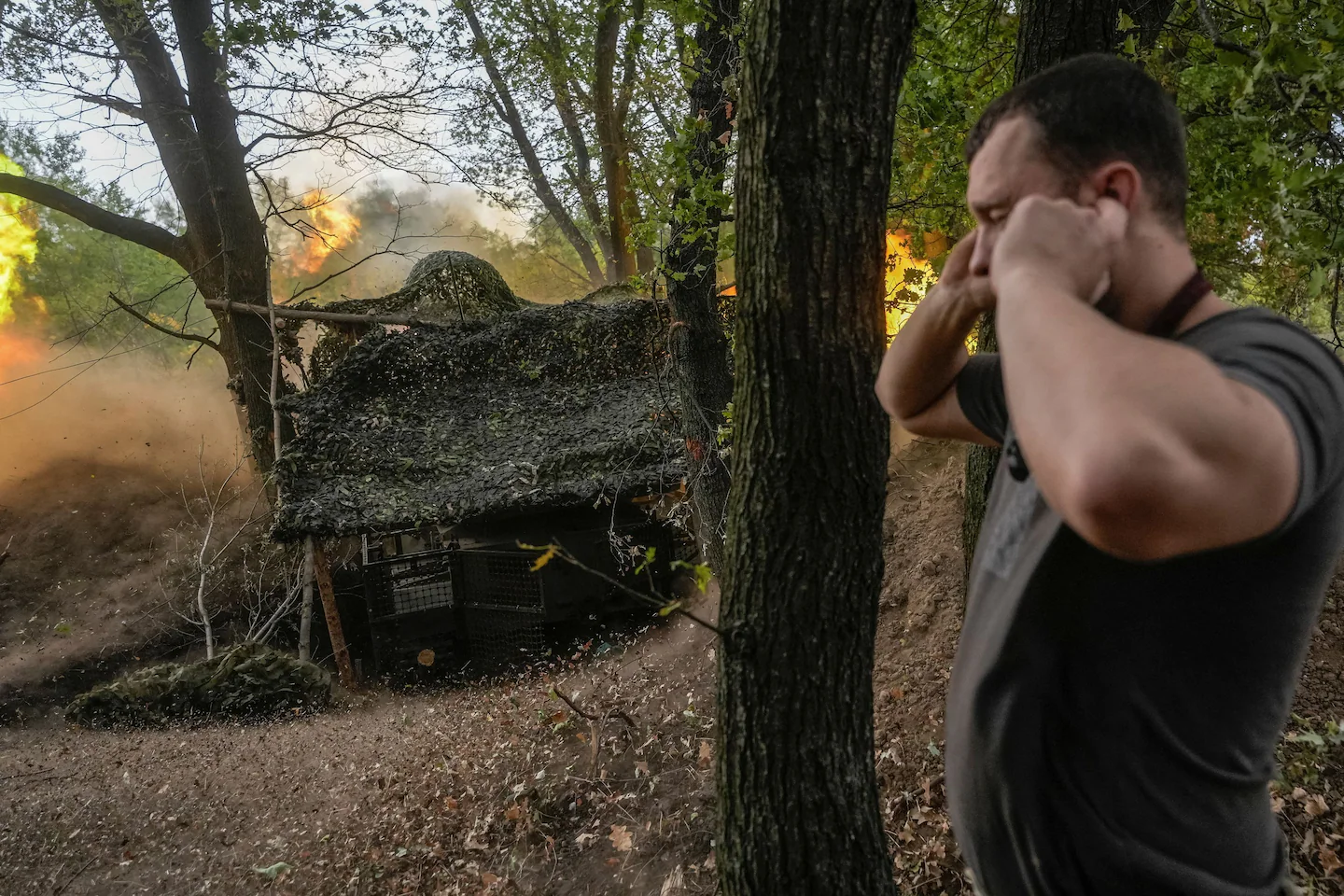
Trump claims Kyiv can regain all its land, but analysts believe a major offensive is unlikely despite Ukraine's call for increased arms and technology, highlighting the complexities of the conflict.
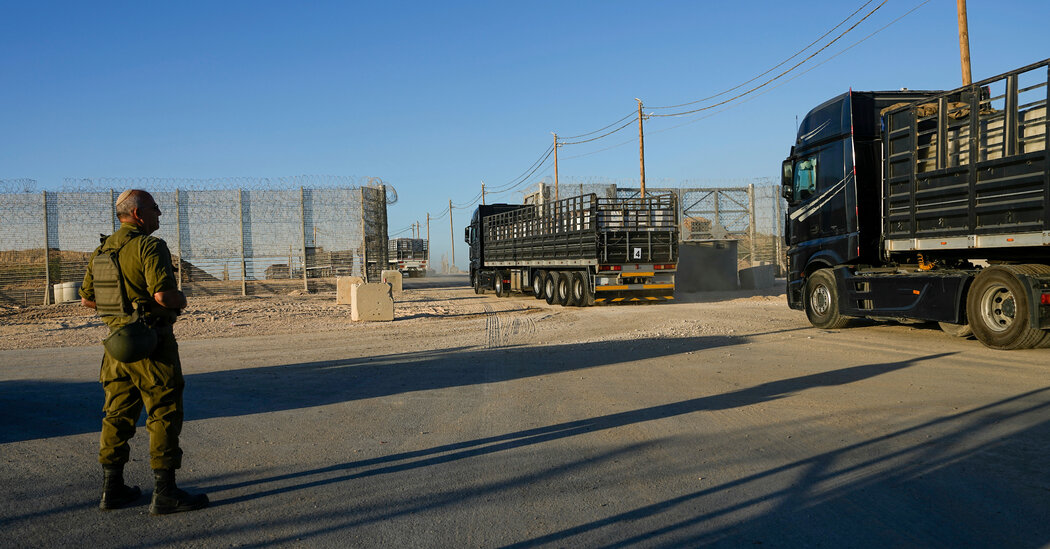
The United States has announced it will continue to supply arms to Israel, despite the worsening humanitarian situation in Gaza. This decision comes amid ongoing conflict and international concern over the conditions faced by civilians in the region.
French President Emmanuel Macron heads to Prague for talks on providing arms to Ukraine, following his controversial suggestion of sending soldiers, which was largely rejected by France's allies. Meanwhile, the Institute for the Study of War provides the latest assessment on the Russian offensive campaign, and updates from the war in Ukraine include Ottawa's announcement of CRV7 missiles en route to Kyiv, the White House downplaying a leaked German video, the Ukrainian Armed Forces dropping a guided bomb on a Russian target, and Moscow's westward advancement from Avdiivka.
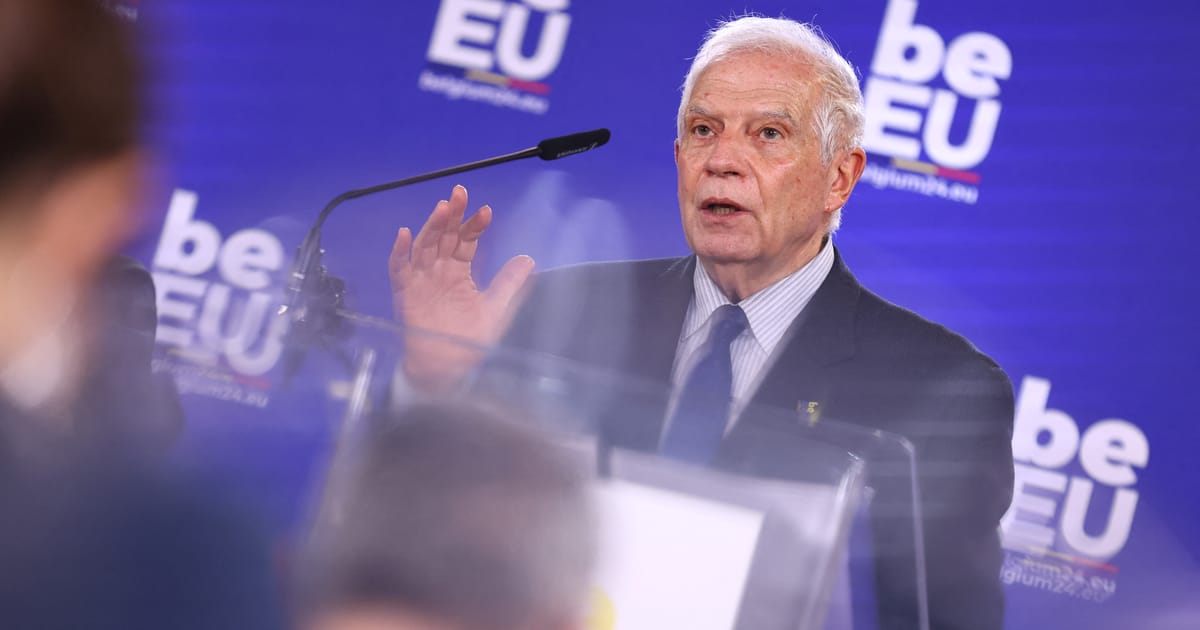
The EU's top diplomat criticized the US for sending arms to Israel as the death toll in Gaza continues to rise, highlighting a growing divide between the two allies.
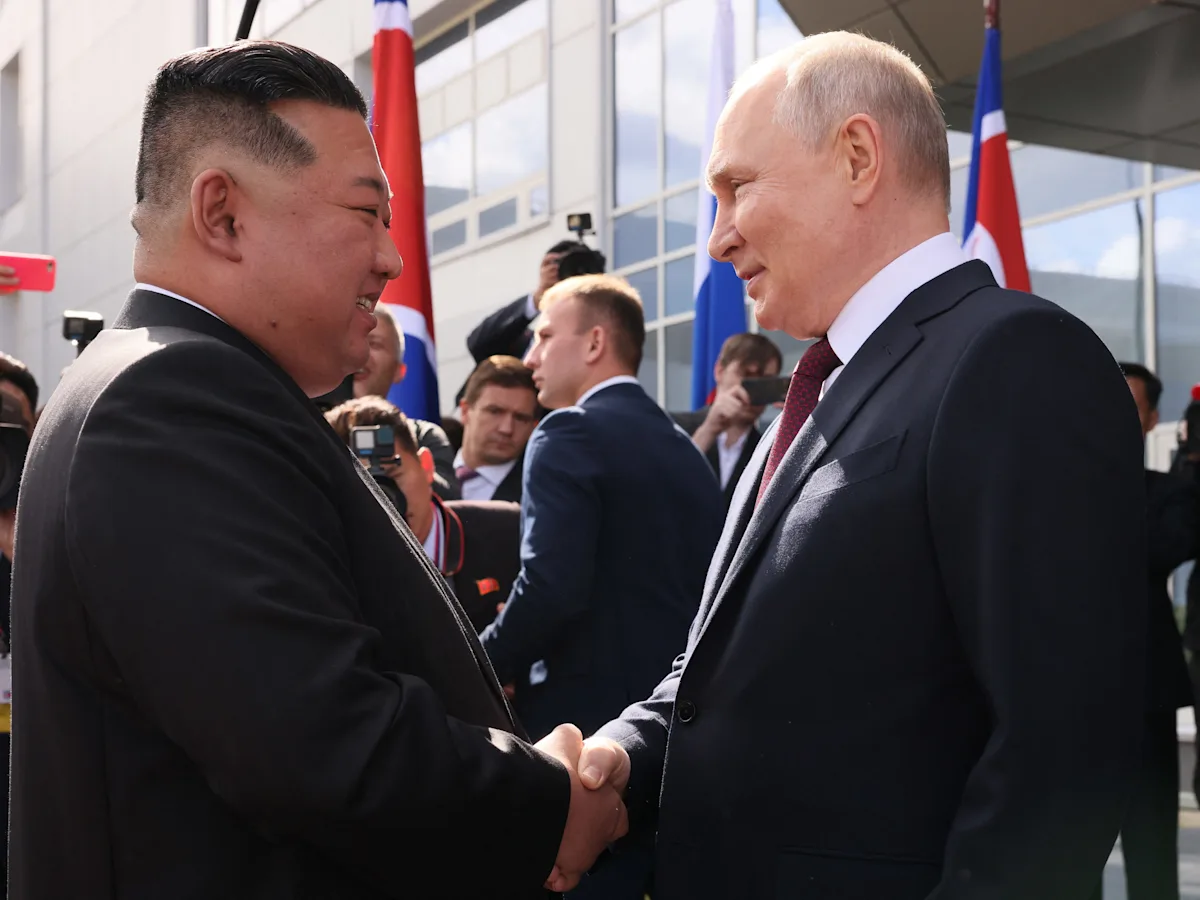
Ukraine's military spy chief, Kyrylo Budanov, stated that Russia heavily relied on North Korean weapons during its war against Ukraine, describing the situation as potentially catastrophic without their assistance. Budanov noted that North Korea is now Russia's largest weapons supplier, providing significant artillery ammunition. The reliance on North Korean arms is seen as an "indignity" by the Russians, who have faced sanctions and turned to allies like Iran and North Korea for supplies. This revelation comes after the UK's defense secretary claimed that Russian President Vladimir Putin had to seek North Korea's weapons to sustain the invasion of Ukraine.
The Pentagon failed to adequately track more than $1 billion worth of arms and equipment given to Ukraine, according to a watchdog report. The report found that the Pentagon did not have accurate records for nearly $1.3 billion in arms and equipment, raising concerns about accountability and potential misuse of the aid.
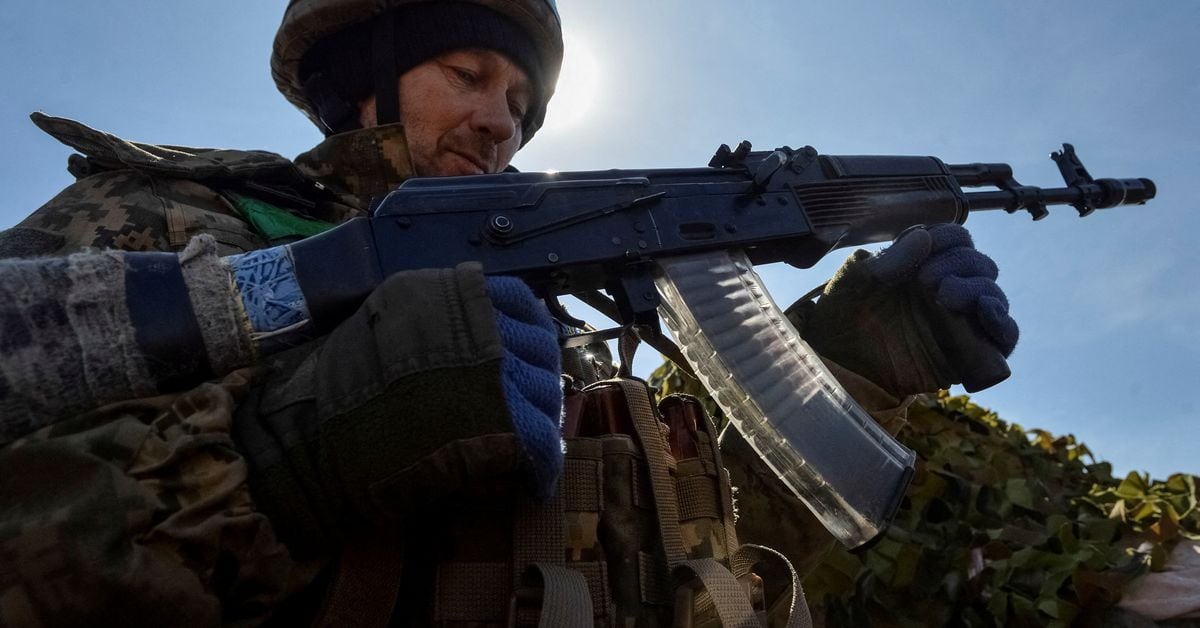
Ukraine's top military commander, Gen. Valery Zaluzhny, criticized critics of Ukraine's counteroffensive, stating that it "pisses me off" to hear complaints about the slow progress. He called for more arms from the West, including artillery ammunition and fourth-generation fighters like F-16s. Zaluzhny expressed concerns about the Wagner Private Military Company and the need to prepare for worst-case scenarios. Russian Telegram channels reported Ukrainian gains along the Dnipro River, with Russia firing an Iskander missile in response. The situation remains fluid, with conflicting reports and unverified claims.
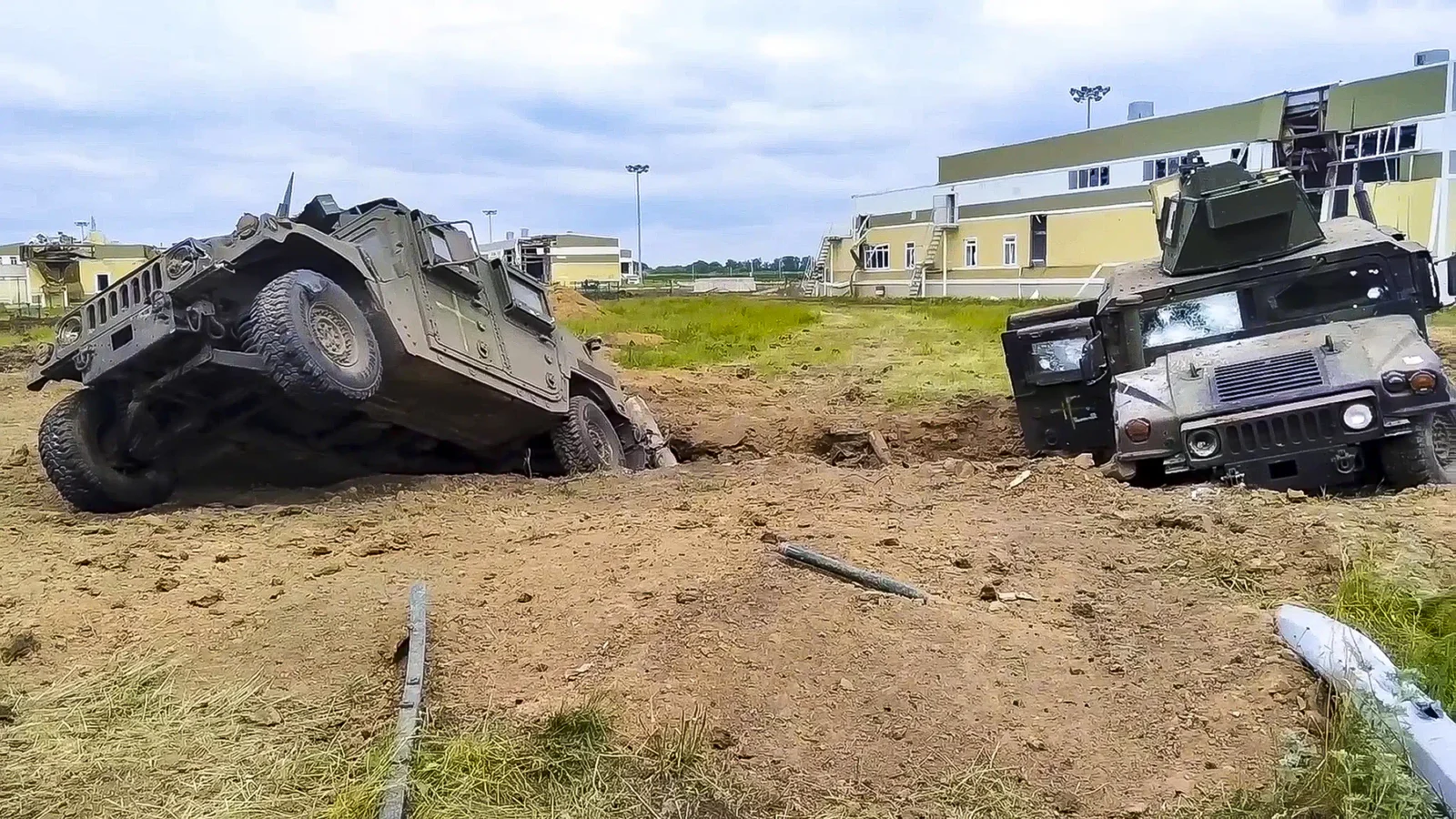
Belgium is investigating whether weapons it sent to Ukraine to defend its territory were used in fighting in Russia's Belgorod region, following a report that equipment produced by a Belgian company turned up there. The Washington Post reported that arms from some NATO member countries, including the US, Poland, Czechia, and Belgium, had appeared in Belgorod, casting doubt on whether Ukraine had proper controls in place. Belgian Prime Minister Alexander De Croo warned against jumping to conclusions and said that if arms destined to defend Ukraine were used in fighting in Russia, "we would take that extremely seriously."
A classified Pentagon document has been leaked online, claiming that Serbia has agreed to supply or has already supplied arms to Ukraine, despite being the only European country that has refused to sanction Russia for its invasion of Ukraine. The document lists the "assessed positions" of 38 European governments in response to Ukraine's requests for military assistance. The document is marked Secret and NOFORN, prohibiting its distribution to foreign intelligence services and militaries. The authenticity of the document has not been independently verified.
The European Union's efforts to arm Ukraine against Russian aggression are being threatened by a shortage of explosives. The EU has been providing non-lethal military aid to Ukraine since 2014, but has recently approved the sale of weapons and ammunition. However, the shortage of explosives is causing delays in the delivery of arms, and could undermine Ukraine's ability to defend itself against Russian-backed separatists in the east of the country.