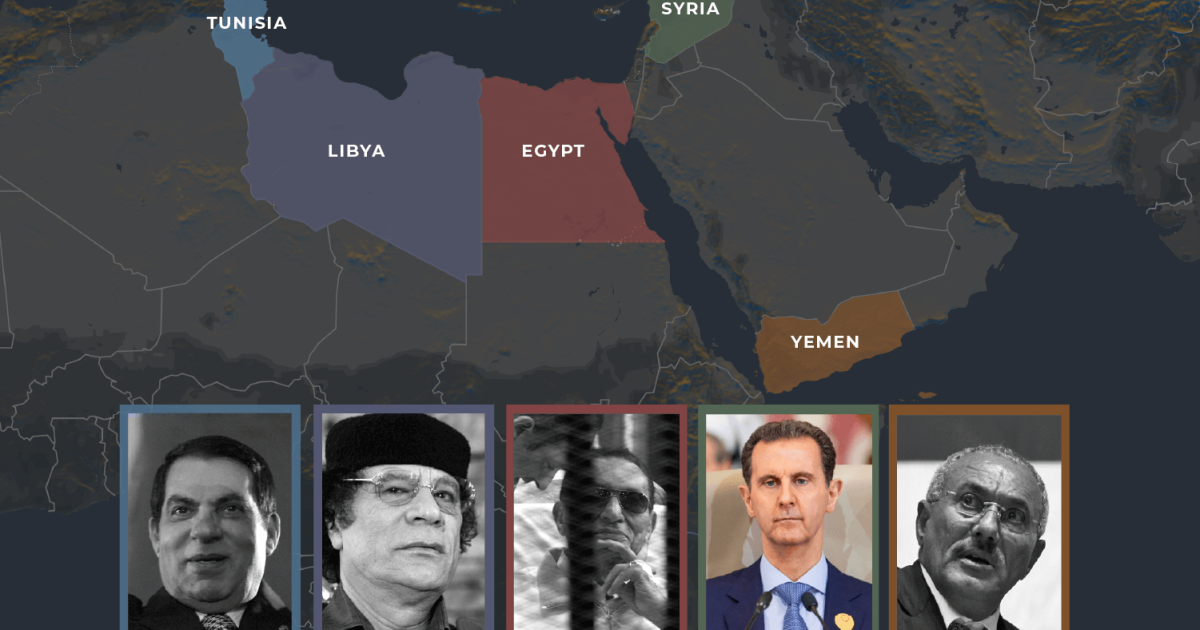
Fifteen years after the Arab Spring protests led to the overthrow of five longtime leaders—Ben Ali, Mubarak, Saleh, Gaddafi, and Assad—most have died in exile, been killed, or are in exile, with their regimes ending amid ongoing regional instability.
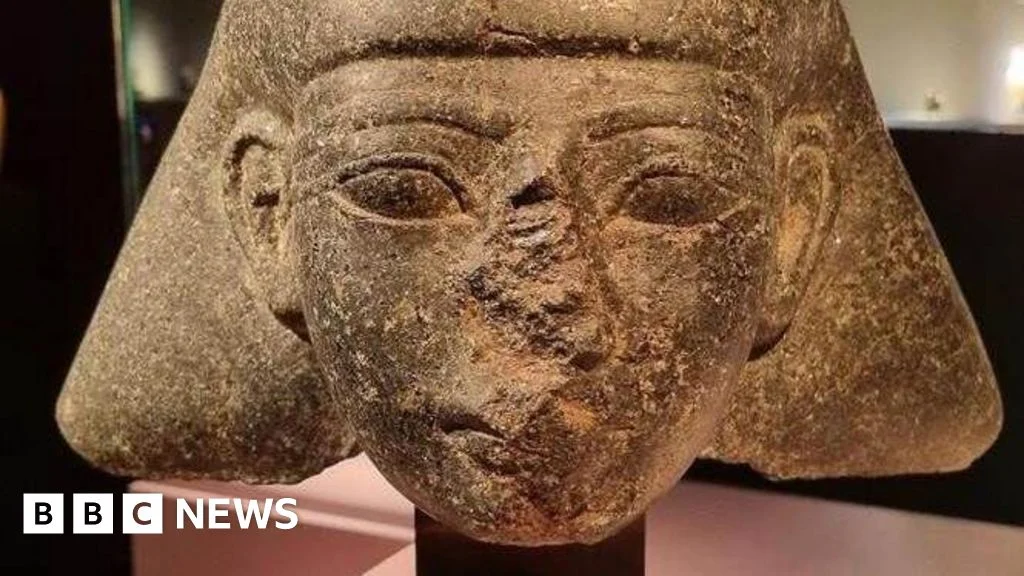
The Netherlands will return a stolen 3,500-year-old Egyptian sculpture, likely plundered during the Arab Spring, after it was found at an art fair and identified as illegally exported. The sculpture, linked to Pharaoh Thutmose III, is considered culturally significant to Egypt, which recently opened the Grand Egyptian Museum to showcase its heritage and advocate for the repatriation of other key artifacts like the Rosetta Stone.
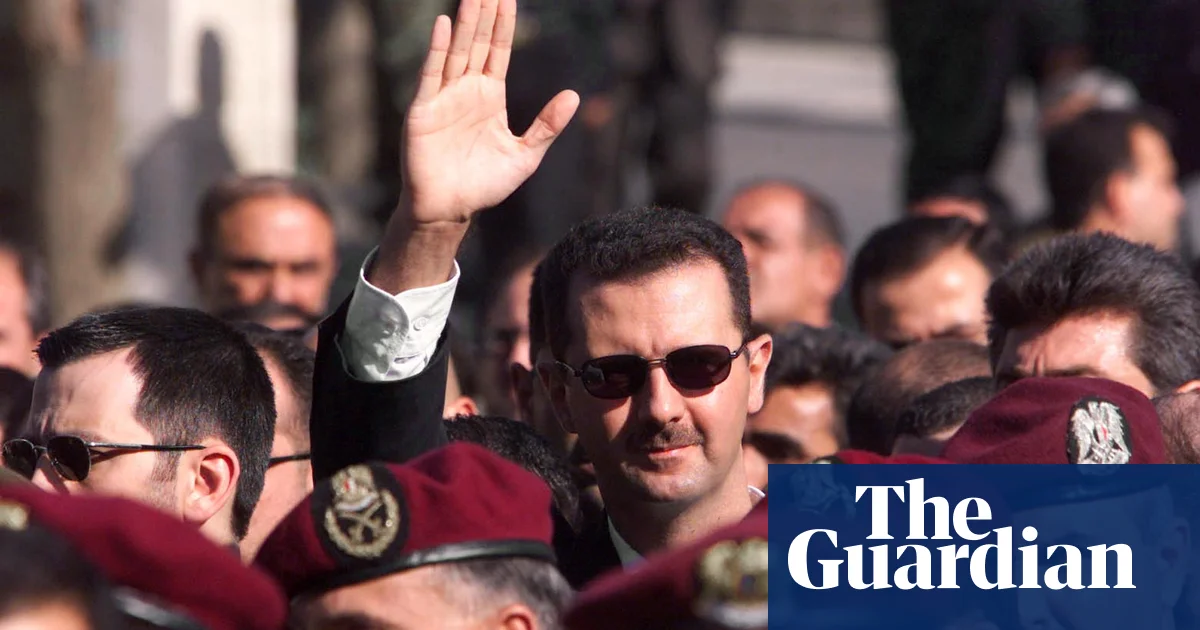
Bashar al-Assad, initially seen as a potential reformer after succeeding his father as Syria's president, became a brutal dictator, maintaining power through a vast security apparatus and violent repression. Despite early attempts to present a more modern image, Assad's regime was marked by widespread torture and murder, particularly during the Syrian uprising of 2011. His rule, supported by Russia and Iran, faced challenges from the Arab Spring and the rise of ISIS, ultimately leading to his downfall as Syria became a failed state.
Inmates at Bahrain's Jaw Rehabilitation and Reform Center have initiated a hunger strike to protest against prison conditions, including restrictions on worship, daily lockdowns, arbitrary isolation, interference with family visits, and inadequate healthcare. The strike, led by dissidents opposing the ruling Al Khalifa family, highlights ongoing unrest in the country a decade after the Arab Spring. While the exact number of participants remains unconfirmed, prisoners' families estimate it to be in the hundreds. Bahrain's government acknowledged that some inmates had returned their meals but denied any wrongdoing, stating that prisoners were allowed to commemorate Ashoura and receive proper healthcare. The prison, located in the southern part of the country, has previously faced concerns over medical care, including a reported tuberculosis outbreak in June 2022. Bahrain has been cracking down on dissent since the 2011 protests, imprisoning activists, revoking citizenship, and closing independent media outlets.
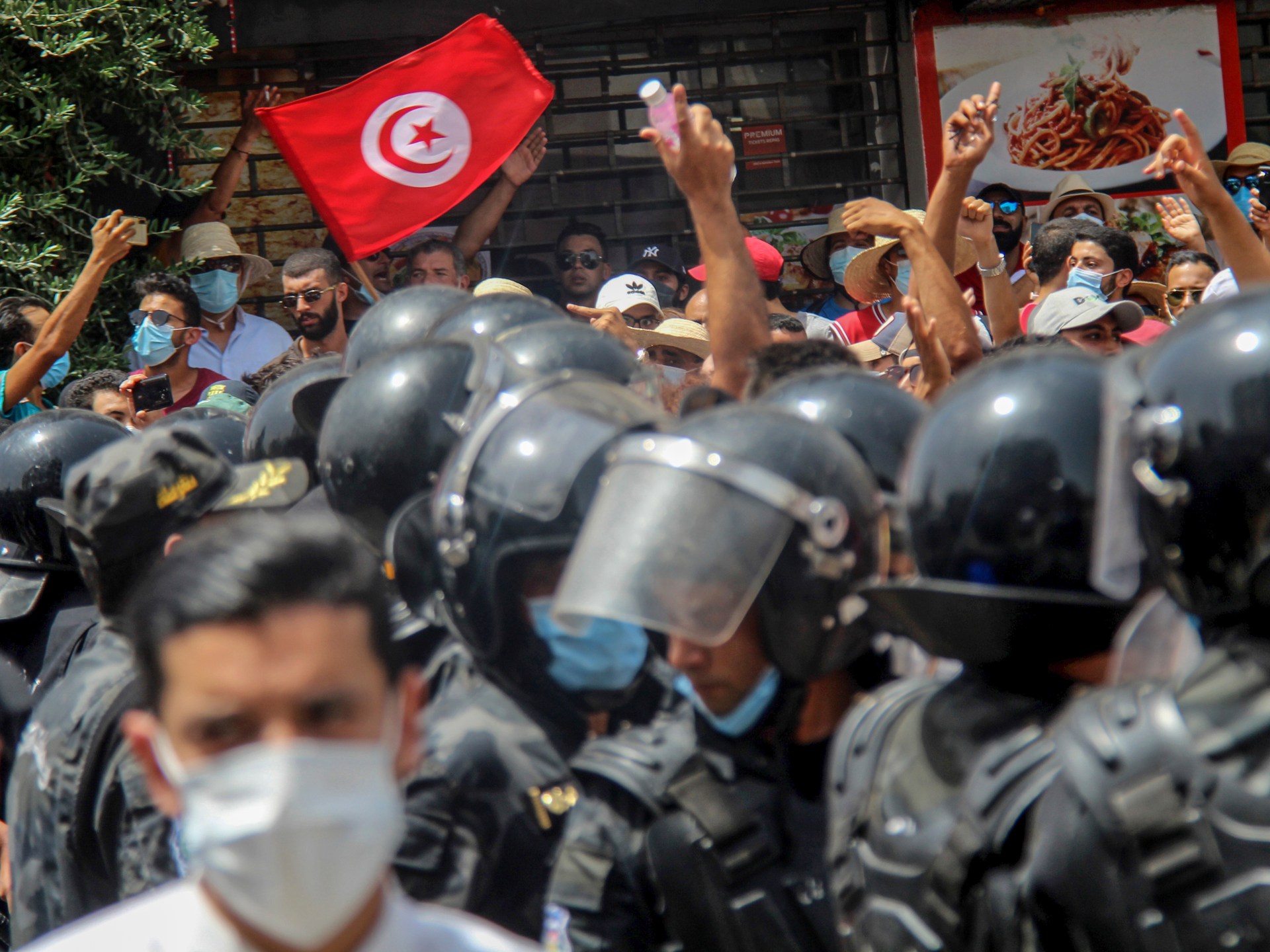
Tunisian footballer Nizar Issaoui died after setting himself on fire in protest against police injustice. Issaoui was accused of terrorism by police after complaining about the high price of bananas. His death has sparked protests in Tunisia, reminiscent of the Arab Spring uprisings. The country is facing its worst crisis in a generation, with inflation and food scarcity on the rise.
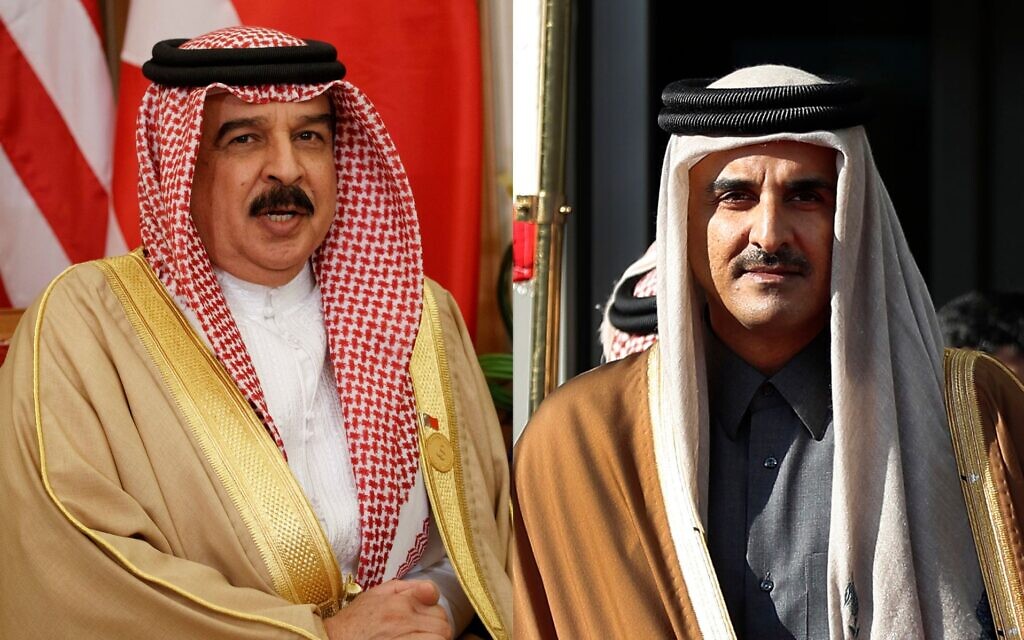
Bahrain and Qatar have agreed to restore diplomatic relations, with both nations issuing official statements following a meeting between their delegations at the headquarters of the Gulf Cooperation Council in Riyadh. Bahrain had been the last holdout of four Arab nations that imposed a boycott and blockade on Qatar in 2017, angered by Qatar's support for Islamist groups that rose to power in some countries following the 2011 Arab Spring protests. The blockade was lifted at the start of 2021, and Saudi Arabia, the United Arab Emirates, and Egypt have restored ties with Qatar since then.