Tag

Applesauce Pouches

All articles tagged with #applesauce pouches

health2 years ago

"FDA Updates on Lead and Chromium in Recalled Applesauce"

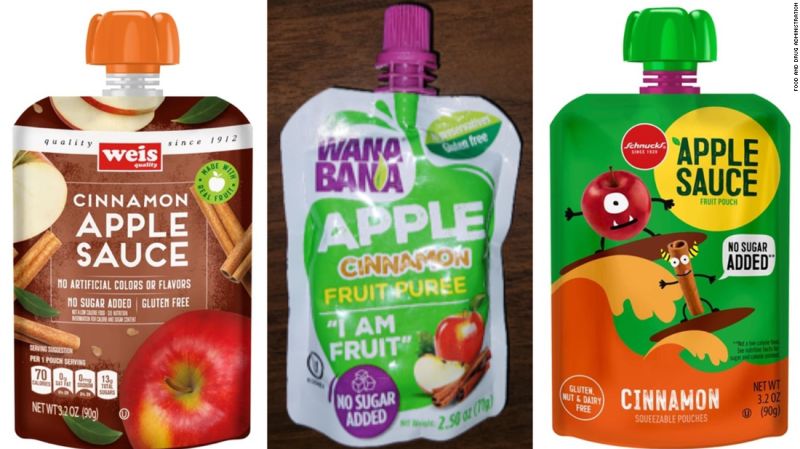
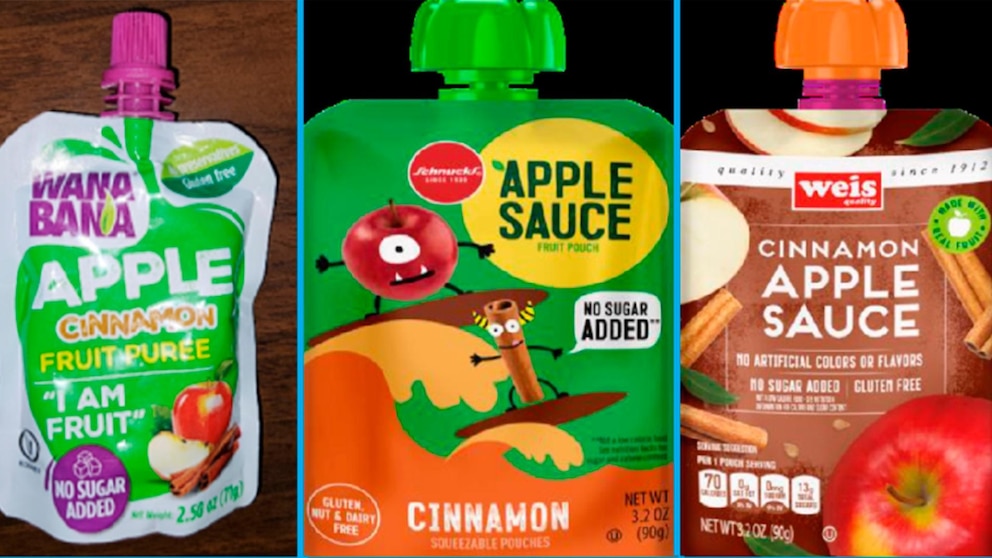
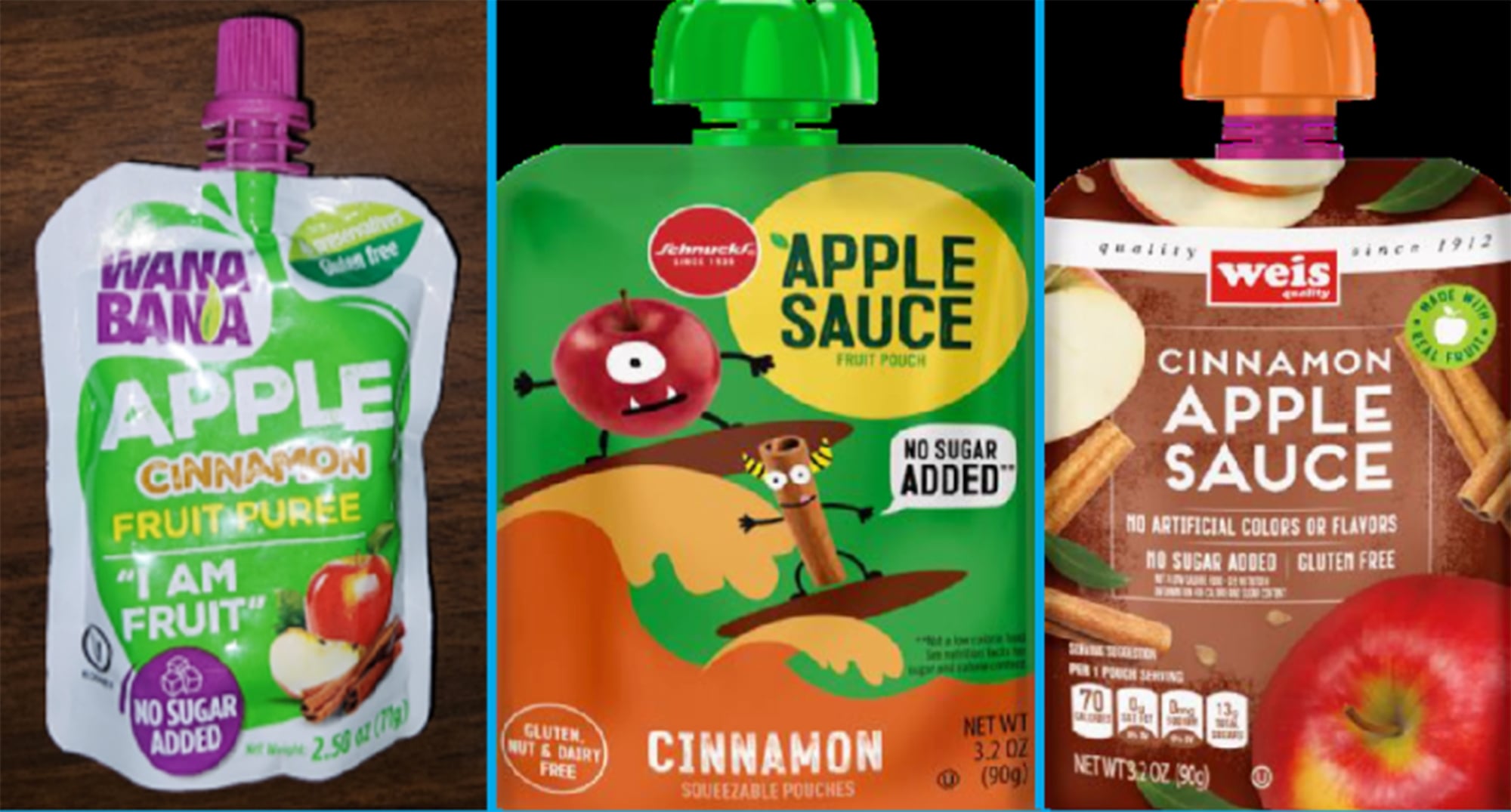
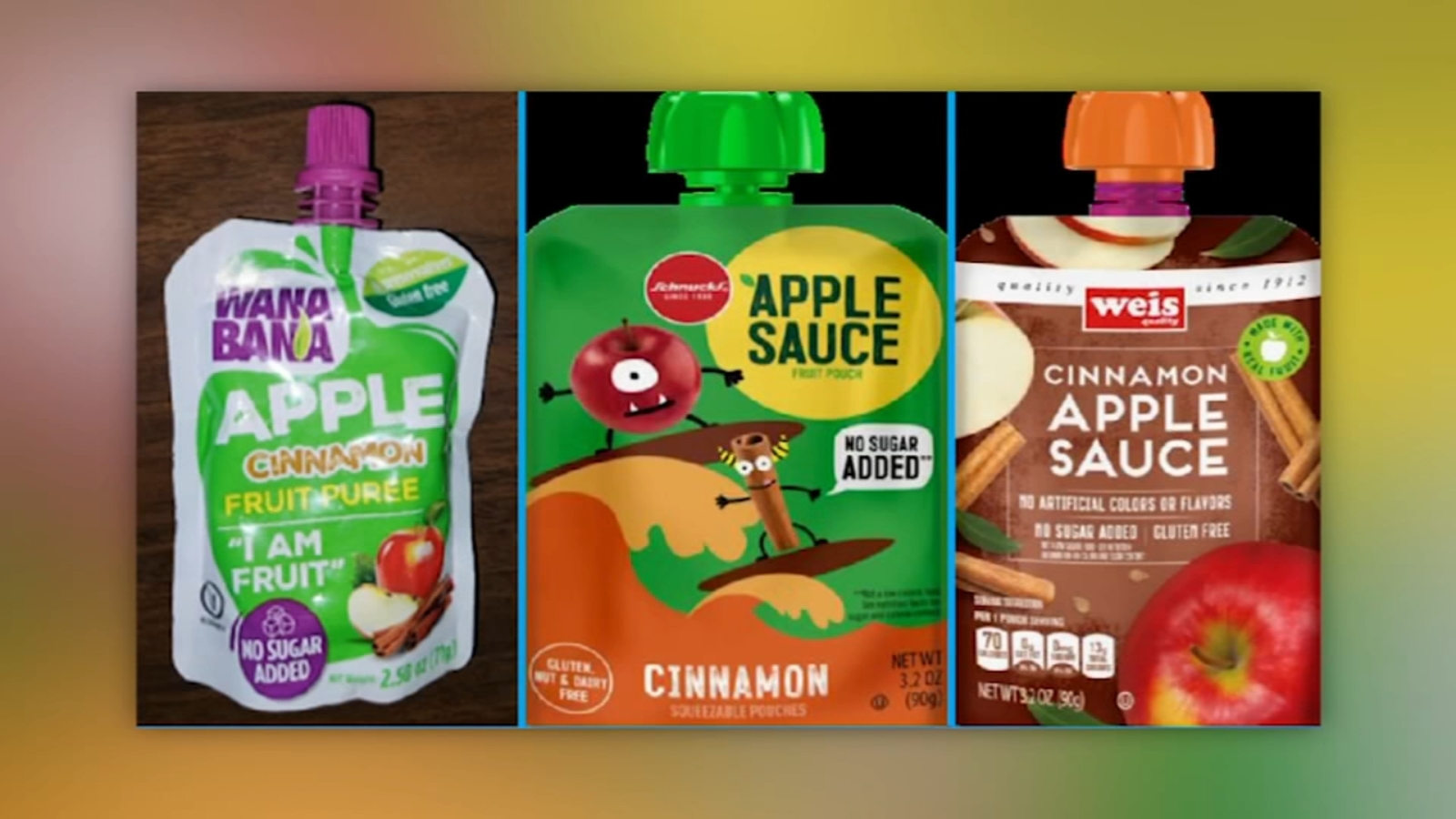
Recalled cinnamon applesauce pouches linked to lead poisoning in U.S. children were found to contain a high level of chromium, a potentially toxic substance, in addition to lead, according to the FDA. The pouches, sold under the WanaBana, Schnucks, and Weis brands, may still be in consumers' homes due to their long shelf life. The CDC reported 287 lead poisoning cases from 37 states, with the median age of those affected being 1. Consumers are advised not to eat or serve the pouches and to discard them, and anyone who consumed them should consult a healthcare provider.

health2 years ago

FDA Investigates Possible Intentional Lead Contamination in Applesauce Pouches

The U.S. Food and Drug Administration (FDA) is investigating whether the recent recall of applesauce pouches contaminated with high levels of lead, which have sickened at least 65 children, was intentionally done. The FDA believes the lead poisoning may have been an intentional act by someone in the supply chain and is currently investigating a manufacturing facility in Ecuador. The affected pouches were sold under the brands Weis, WanaBana, and Schnucks. The FDA is exploring various theories about how the pouches became contaminated and suspects the adulteration was economically motivated. Lead exposure can have serious health consequences, particularly for young children, and the FDA is determined to hold those responsible accountable.

health2 years ago

"FDA Investigates Intentional Lead Contamination in Applesauce Pouches, More Illnesses Reported"

The U.S. Food and Drug Administration (FDA) is investigating the lead contamination in cinnamon applesauce pouches that sickened dozens of children, with an FDA official suggesting it may have been an intentional act. At least 65 illnesses have been reported so far, all in children under 6 years old. The FDA is conducting an on-site investigation at the Austrofood facility in Ecuador and working with Ecuadorian authorities to gather information about the supplier of cinnamon. Contaminated spices are common, and intentional contamination with metals like lead is sometimes seen in products sold by weight. Lead is toxic and can cause developmental delays and various health issues. The recalled pouches should not be consumed, and families are advised to check their homes for any recalled products.

health2 years ago

Possible Intentional Tainting of Fruit Pouches Linked to Lead Contamination and Illness in Children

The US Food and Drug Administration (FDA) is investigating the lead contamination in cinnamon applesauce pouches that sickened dozens of young children, with an FDA official suggesting it may have been an intentional act. At least 65 illnesses have been reported so far, all in children under 6 years old. The FDA is conducting an on-site investigation at the Austrofood facility in Ecuador and working with Ecuadorian authorities to gather information about the supplier of cinnamon. Contaminated spices are common, and regular lead screening for children is emphasized. The recalled pouches should not be consumed, and reimbursement programs are being established for healthcare costs.

health2 years ago

FDA Investigates Lead Contamination in Ecuadorian Fruit Pouches and Applesauce, Prompts Lawsuit and Health Warnings

The U.S. Food and Drug Administration (FDA) is inspecting a plant in Ecuador that produced cinnamon applesauce pouches linked to dozens of cases of acute lead poisoning in U.S. children. The FDA has identified contaminated cinnamon as the likely source of the lead and is collecting samples from the Austrofoods plant. The company's supplier, Negasmart, is facing sanctions as officials in Ecuador investigate the source of the cinnamon. At least 64 children from 27 states have reported illnesses potentially linked to the recalled applesauce pouches, which were sold under various brand names at Dollar Tree and other stores.

health2 years ago

"Applesauce Pouches Linked to Lead Poisoning in Over 20 Sick Toddlers, CDC Warns"

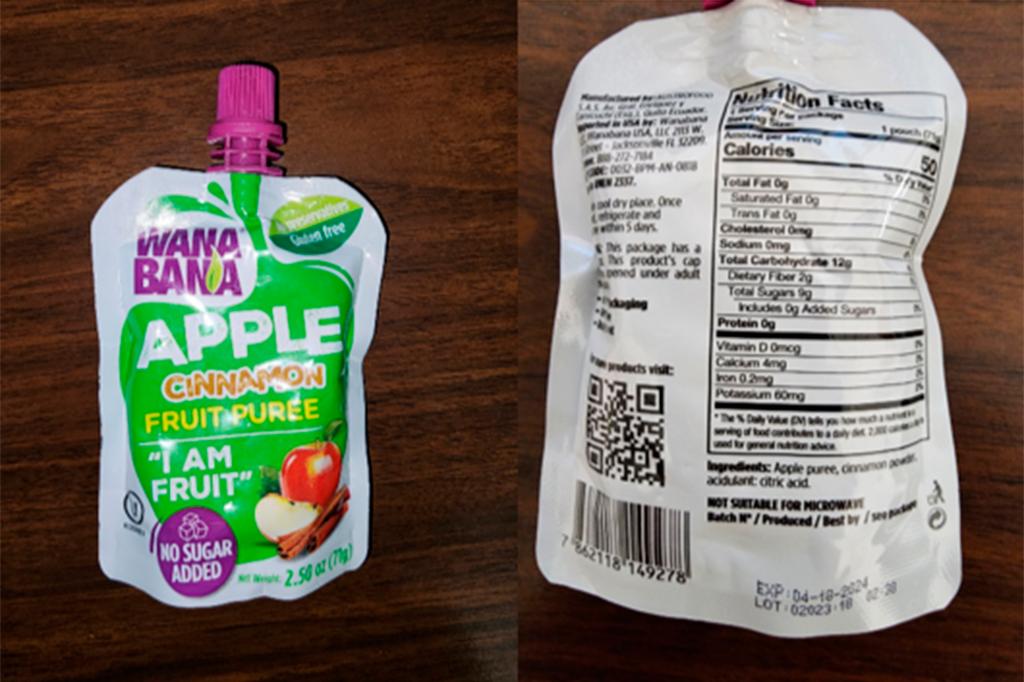
The Centers for Disease Control (CDC) has issued a warning after more than 20 toddlers across 14 states were found to have lead poisoning linked to applesauce pouches. The affected children, aged 1 to 3 years old, had lead levels ranging from 4 to 29 micrograms per deciliter, exceeding the CDC's benchmark of 3.5 micrograms per deciliter. The recalled pouches include WanaBana brand apple cinnamon fruit purée pouches, as well as Weis and Schnucks brand cinnamon applesauce pouches. Parents are advised to discard the recalled pouches and have their children's blood tested for lead if they consumed the recalled food. Long-term lead exposure can have serious health consequences, particularly in children.

health2 years ago

CDC Links Tainted Applesauce Pouches to Lead Poisoning in 14 States, Affecting 22 Toddlers

At least 22 toddlers in 14 states have been sickened by lead linked to tainted pouches of cinnamon apple puree and applesauce, according to the Centers for Disease Control and Prevention (CDC). The affected children, aged 1 to 3, showed blood lead levels ranging from 4 to 29 micrograms per deciliter. Symptoms included headache, nausea, vomiting, diarrhea, a change in activity level, and anemia. The outbreak is tied to recalled pouches of fruit puree marketed to kids from the brands WanaBana and Schnucks and Weis. Parents and caregivers are advised not to buy or serve these products, and affected children should be tested for lead levels.

health2 years ago

Lead Exposure in Children: Recalled Fruit Pouches Raise Concerns

Three companies are recalling applesauce pouches due to potential high levels of lead, which can cause lead poisoning in children. Pouched foods marketed for young children have become popular, but recent cases of lead poisoning have raised concerns. Parents should be aware of the symptoms of lead poisoning and take immediate action if they suspect their child has been exposed. Blood tests can determine lead levels, and high levels require medical attention. Common sources of lead exposure should also be considered.