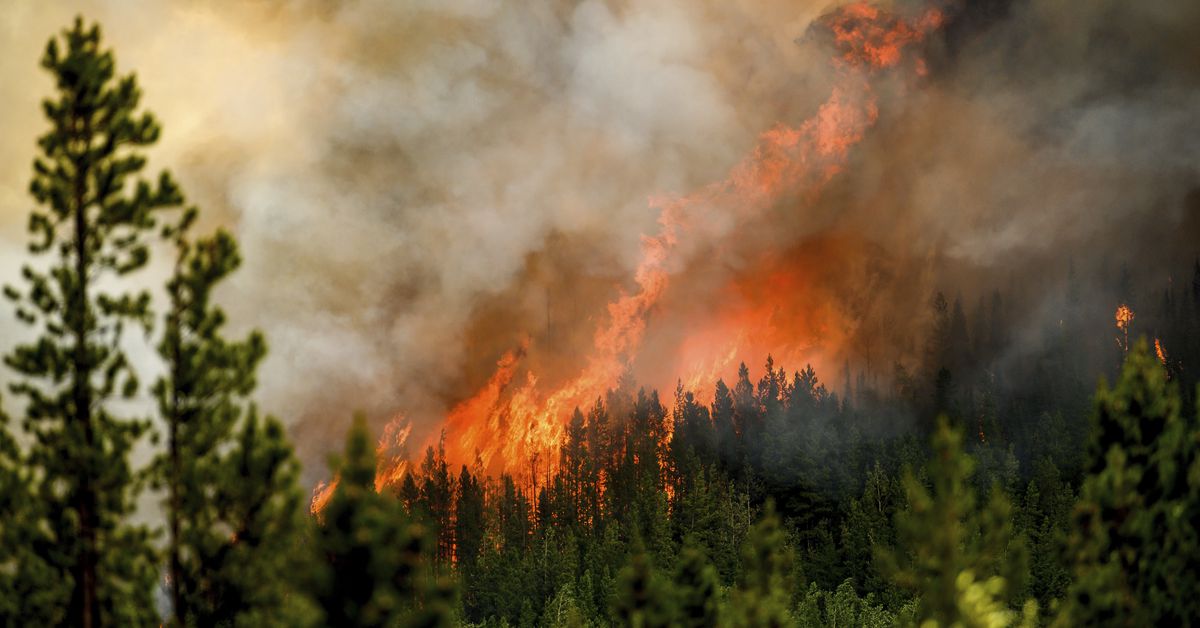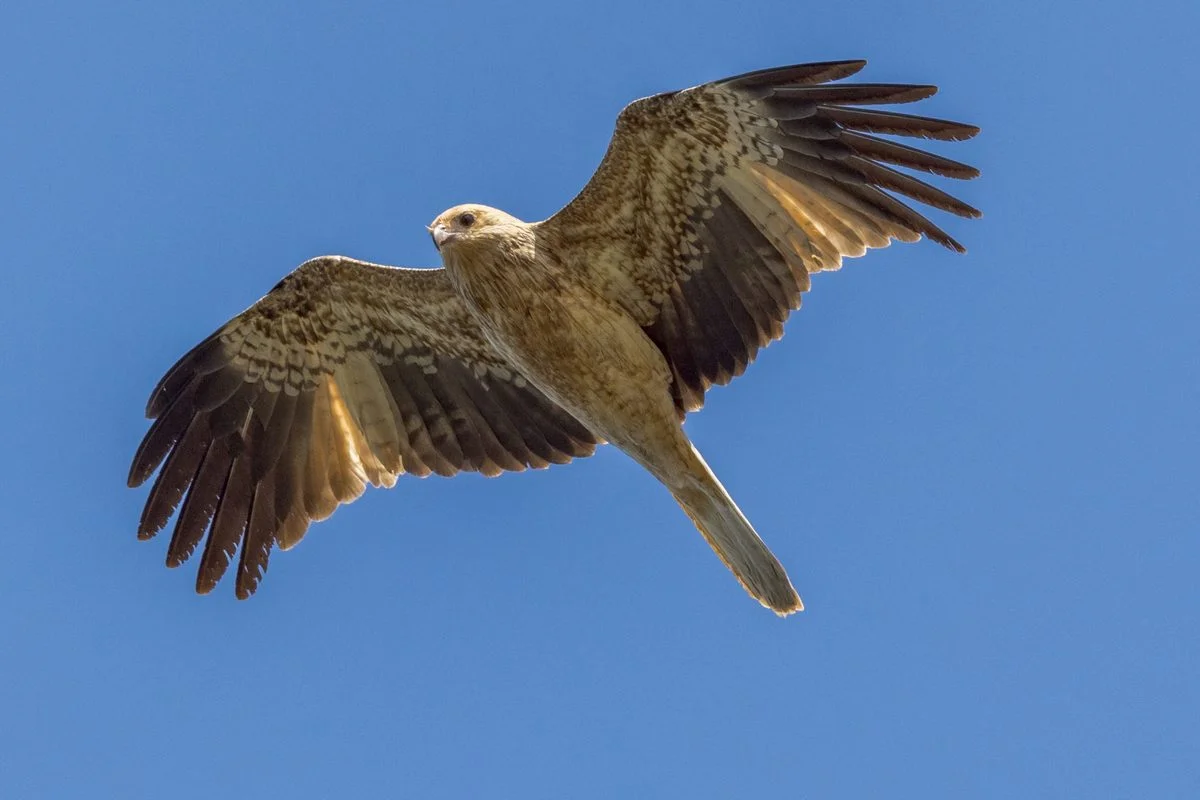
The article explores how certain animals in nature utilize weather elements like fire, wind, and heat to enhance their hunting and killing strategies, showcasing remarkable adaptations such as flamingos creating underwater tornadoes, Japanese honeybees roasting intruders, bombardier beetles spraying hot chemicals, pistol shrimps generating cavitation bubbles, and firehawks spreading wildfires to catch prey.
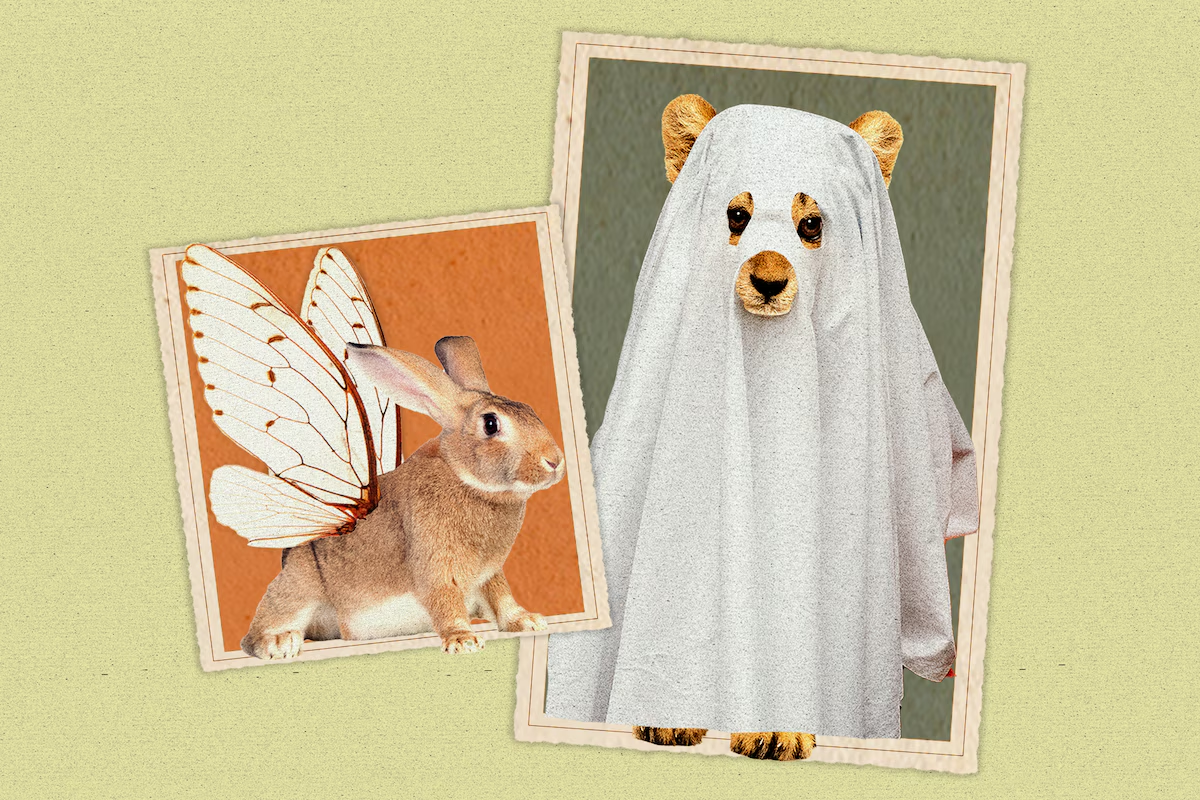
The article explores various animal mimicry strategies, showcasing examples like the cheetah cub, moths, frogs, butterflies, and octopuses, highlighting their survival advantages through different forms of disguise such as Batesian, Müllerian, aggressive, camouflage, and dynamic mimicry, and invites readers to vote on the best costumes in the animal world.
Animals have evolved various adaptations to survive wildfires, which are a natural and important part of the ecosystem. Some species have behavioral adaptations, such as running away or seeking refuge, while others shelter in place or use camouflage. Certain animals, like the black-backed woodpecker, are even dependent on wildfires for their survival. However, the increasing intensity and frequency of wildfires due to climate change pose a challenge for both human and wildlife communities. While animals can evolve and adapt to fire, it remains uncertain if they can keep up with the rapid pace of change.