Tag

Amateurastronomy

All articles tagged with #amateurastronomy

space1 year ago

Amateur Astronomers Tune into Voyager 1's Distant Signals

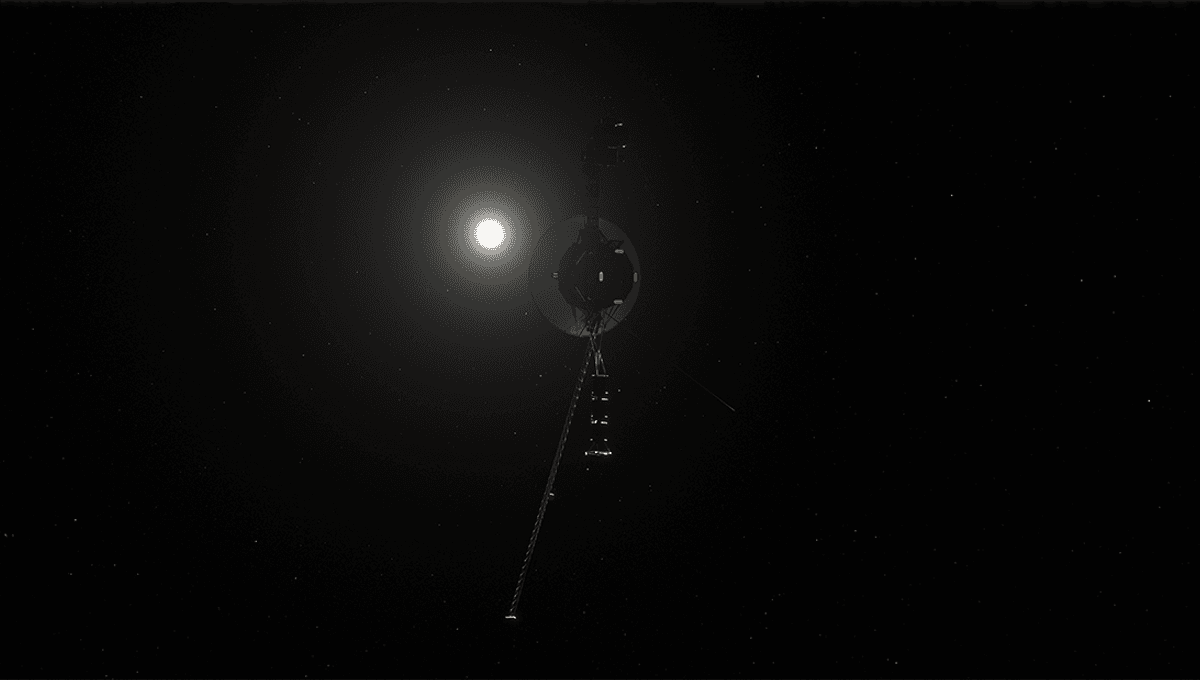
Amateur astronomers in the Netherlands have successfully detected a signal from NASA's Voyager 1 spacecraft, which is 24.9 billion kilometers away from Earth. Despite recent communication issues, Voyager 1's onboard computer switched to a less-used S-band transmitter, allowing signals to be detected by the Dwingeloo radio telescope. NASA has since reactivated the X-band transmitter, and the spacecraft continues to collect data. The signal took 23 hours to reach Earth, highlighting the vast distance of Voyager 1, the furthest human-made object from our planet.
science-and-technology2 years ago

"3D Printed Equatorial Table Revolutionizes Telescope Stability"

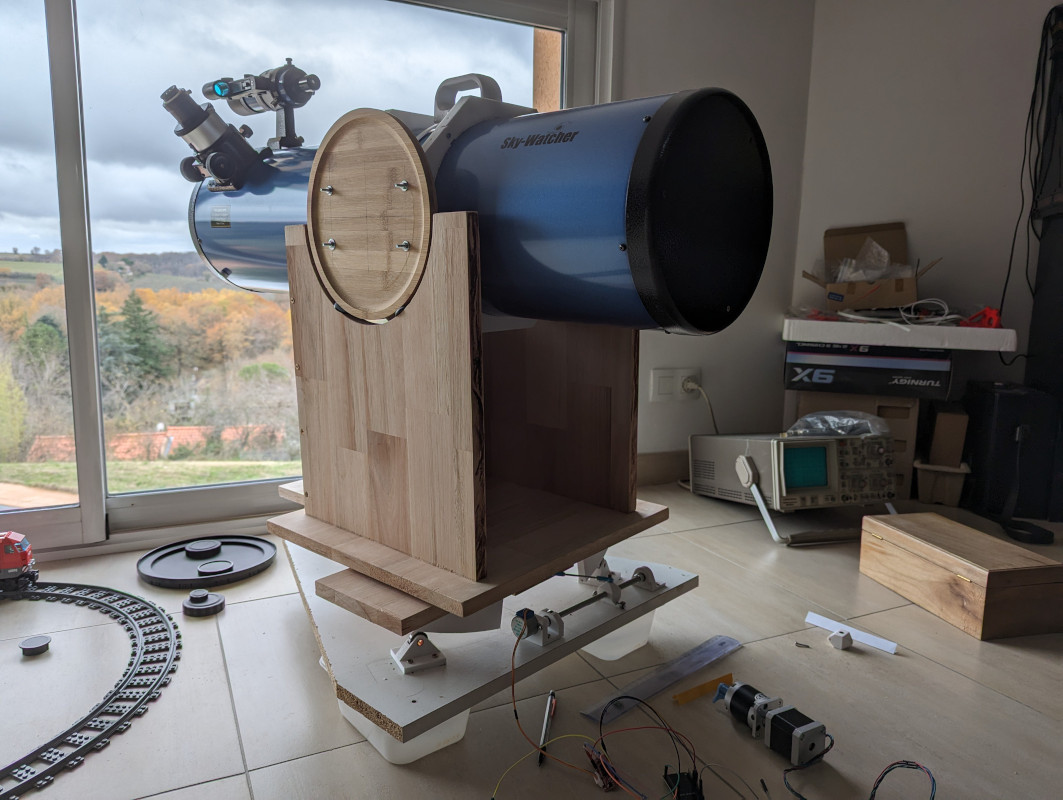
An amateur astronomer known as [aeropic] has created a 3D printed equatorial table designed to compensate for the Earth's rotation, allowing telescopes to accurately track celestial objects. This device is adjustable for latitudes between 30° and 50° and is powered by a stepper motor controlled by an ESP32 microcontroller. It's a cost-effective solution for long-exposure astrophotography and scientific observation, making it accessible for hobbyists who want to enjoy extended celestial viewing without the need for expensive mounting systems.

science-and-technology2 years ago

"Expert Astronomer's Guide to Choosing the Perfect Home Telescope"

When buying a home telescope, consider the aperture size for light collection and detail, with larger apertures providing better images. Choose between refracting and reflecting telescopes based on your interests and budget, with refractors being compact and reflectors avoiding chromatic aberration. Mounts are essential for tracking celestial objects, with manual and electronic options available. Finder scopes and eyepiece upgrades can enhance your experience. For astrophotography, adapters and specific cameras can improve results, and smart telescopes offer electronic image capturing. It's recommended to try telescopes through local astronomical societies or specialist shops before purchasing, and to consider factors like size, cost, and portability to ensure a satisfying stargazing experience.

science-and-technology2 years ago

"Expert Astronomer's Guide to Choosing the Perfect Home Telescope"

Choosing the right telescope involves considering aperture size, type (refractor or reflector), mount type, and whether you want manual or electronic control. Larger apertures allow for viewing fainter objects and more detail, but can be less portable and more expensive. Refractors are good for Earth and sky viewing but can suffer from chromatic aberration, while reflectors are larger and free from this issue. Mounts can be equatorial or alt-azimuth, with the latter now often featuring computerized tracking. Finder scopes and quality eyepieces enhance the experience, and for astrophotography, specialized cameras or smartphone adapters are recommended. Before purchasing, it's advisable to try different telescopes through local astronomical societies or specialist shops, and consider second-hand options for savings.