Tag

Airbag Recall

All articles tagged with #airbag recall

"Stellantis Recalls 300K+ Vehicles for Airbag Safety Concerns"

Originally Published 1 year ago — by WKRC TV Cincinnati

Featured image for "Stellantis Recalls 300K+ Vehicles for Airbag Safety Concerns"
Source: WKRC TV Cincinnati

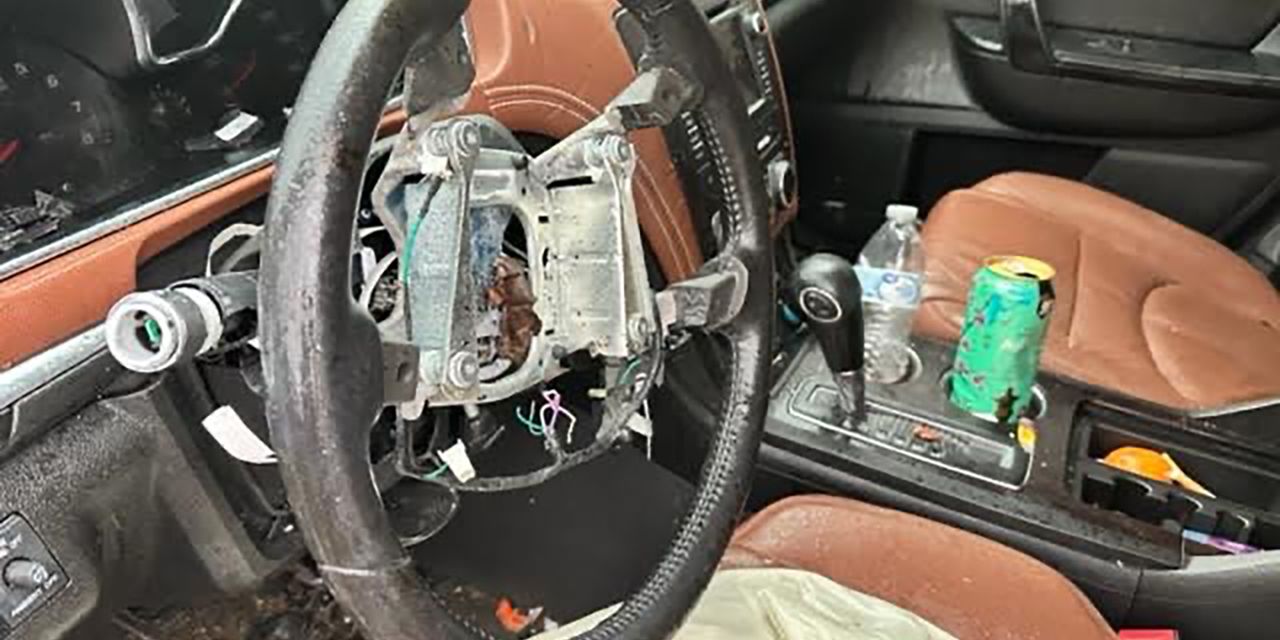
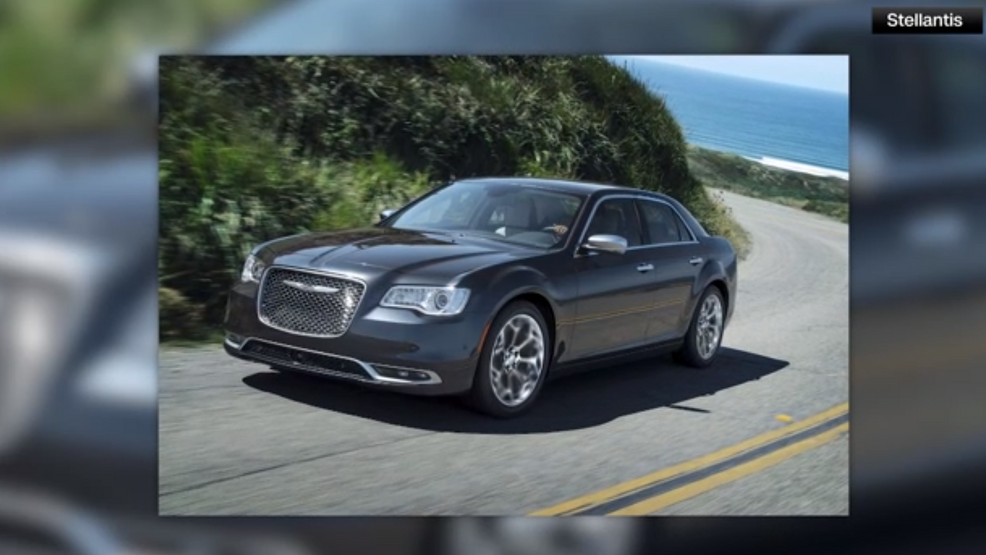
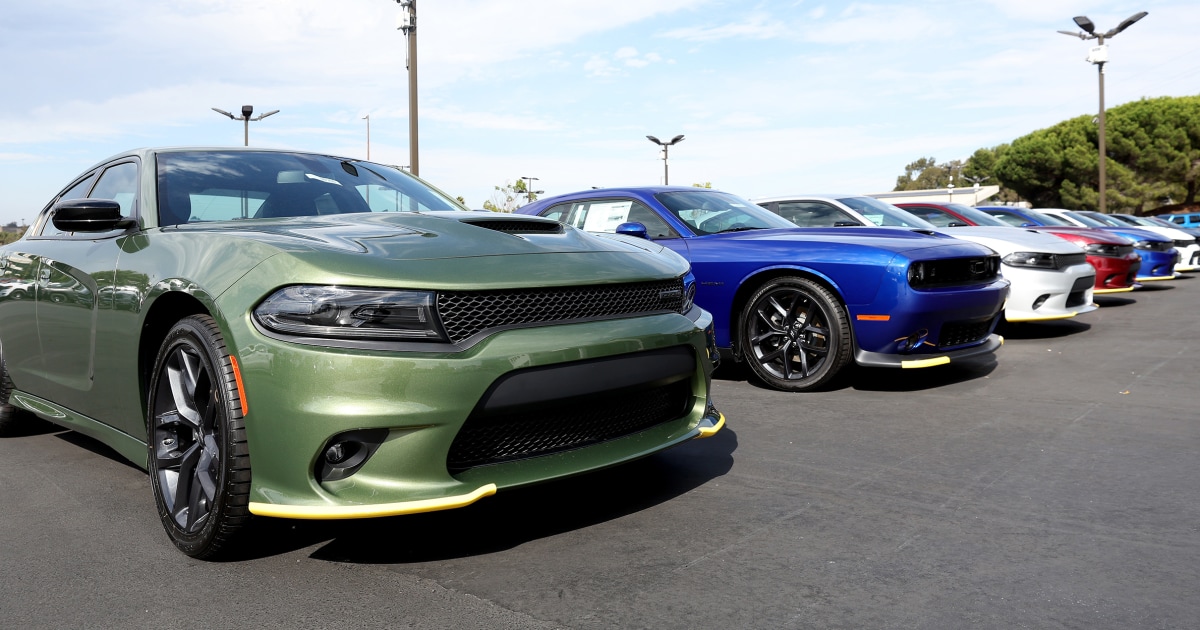
Chrysler is recalling nearly 300,000 vehicles, including 2018 to 2021 Dodge Chargers and Chrysler 300 Models, due to potential airbag issues that could cause the inflators for both the right and left side curtain air bags to "rupture," posing a risk of occupants being hit with sharp metal fragments if the airbags were to deploy. The National Highway Traffic Safety Administration announced the recall, and dealerships will replace the airbags for free. If you have questions about the recall or any other potential safety issues, you're asked to call Chrysler's customer service line.
"Stellantis Recalls Over 280,000 Vehicles for Airbag Concerns"

Originally Published 1 year ago — by Fox Business

Featured image for "Stellantis Recalls Over 280,000 Vehicles for Airbag Concerns"
Source: Fox Business

Chrysler is recalling around 286,000 vehicles, including certain Dodge Charger and Chrysler 300 models from 2018-2021, due to concerns that the side airbag inflators may rupture, posing a risk of injury or death. Replacement parts for airbags in roughly 1,000 vehicles are also being recalled. Stellantis-owned Chrysler plans to mail notices to affected owners in early May, and dealers will replace both side airbags free of charge. The issue is attributed to moisture introduced during supplier manufacturing, potentially leading to stress corrosion and rupture, although the inflators do not use the same propellant or inflator design as previously recalled Takata airbags.

"Chrysler Parent Recalls 318,000 Vehicles for Airbag Safety Issue"

Originally Published 1 year ago — by NBC News

Featured image for "Chrysler Parent Recalls 318,000 Vehicles for Airbag Safety Issue"
Source: NBC News

Stellantis, the parent company of Chrysler and Dodge, is recalling 318,000 vehicles due to potentially faulty airbag parts that could shatter and cause injury. The recall affects Dodge Charger and Chrysler 300 vehicles from 2018 through 2021, with the company stating that no injuries have been reported. Dealers will replace the defective parts free of charge.

"750,000 Honda Vehicles Recalled for Airbag Issues"

Originally Published 1 year ago — by Courier Journal

Featured image for "750,000 Honda Vehicles Recalled for Airbag Issues"
Source: Courier Journal

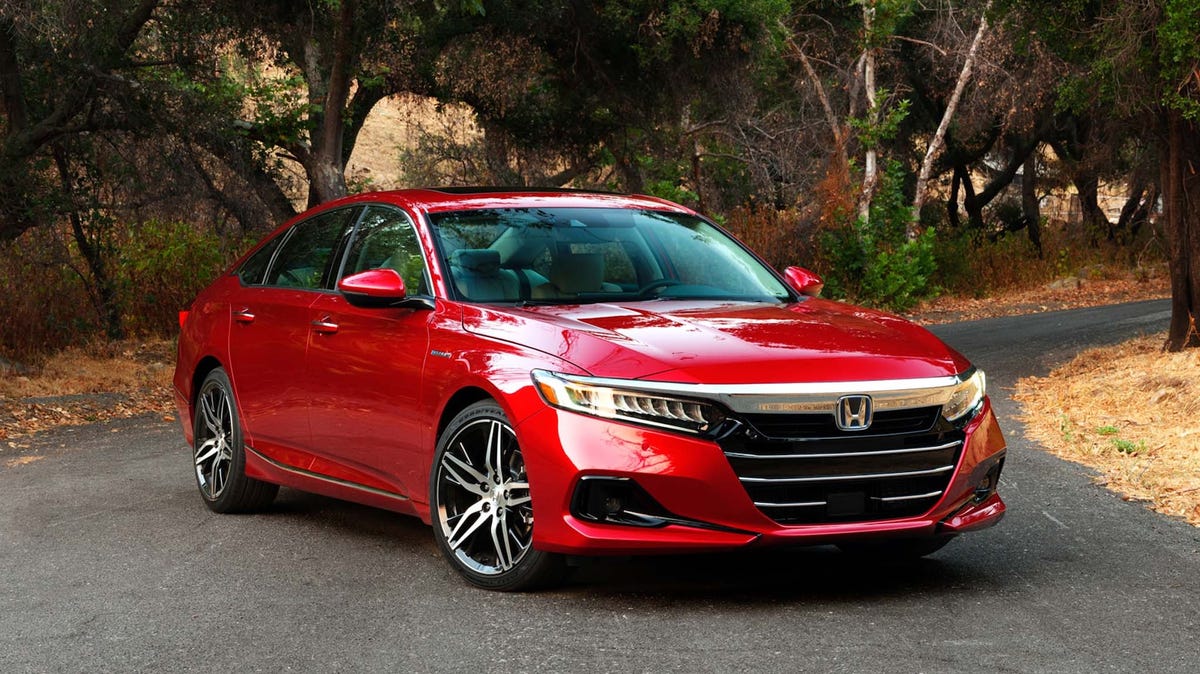
Honda is recalling over 750,000 vehicles due to a potential airbag issue where the front passenger seat weight sensor may crack and short circuit, leading to unintentional airbag deployment during a crash. The recall affects various Honda and Acura models from 2020 to 2022, and owners will be notified by March 18 for free replacement of the seat weight sensors. Those who have already paid for the repairs may be eligible for reimbursement, and can contact Honda customer service or the NHTSA for more information.

"Deadly Airbag Alert: Toyota Recalls 50,000 US Cars, Urges Immediate Repairs"

Originally Published 1 year ago — by The Guardian

Featured image for "Deadly Airbag Alert: Toyota Recalls 50,000 US Cars, Urges Immediate Repairs"
Source: The Guardian

Toyota is recalling 50,000 older US vehicles, including certain Corolla, Corolla Matrix, and Rav 4 models, due to potentially deadly Takata airbag inflators that could explode and cause serious harm to motorists. This recall is part of the larger issue of more than 67 million Takata airbag inflators being recalled in the US by over 20 automakers, making it the largest auto safety callback in history. The National Highway Traffic Safety Administration has not yet commented on the situation.

"Toyota Urges Immediate Repairs for 50,000 Vehicles Over Airbag Safety Concerns"

Originally Published 1 year ago — by WPVI-TV

Featured image for "Toyota Urges Immediate Repairs for 50,000 Vehicles Over Airbag Safety Concerns"
Source: WPVI-TV

Toyota and General Motors have issued an urgent warning for owners of about 61,000 older Corolla, Matrix, RAV4, and Pontiac Vibe models to stop driving them due to the risk of Takata air bag inflators exploding and hurling shrapnel. The affected vehicles are from the 2003 and 2004 model years, with most in the U.S. Owners are advised to contact local dealers for repair options instead of driving the cars in, as the air bags can cause serious injury or death. Takata's use of volatile ammonium nitrate in the air bags has led to the largest series of auto recalls in U.S. history.

"Toyota and GM Issue Urgent Recall for Old Corolla, Matrix, and RAV4 Models Due to Airbag Safety Concerns"

Originally Published 1 year ago — by WLS-TV

Featured image for "Toyota and GM Issue Urgent Recall for Old Corolla, Matrix, and RAV4 Models Due to Airbag Safety Concerns"
Source: WLS-TV

Toyota and General Motors have issued an urgent warning for about 61,000 older Corolla, Matrix, RAV4, and Pontiac Vibe models, advising owners to stop driving them due to the risk of Takata air bag inflators exploding and hurling shrapnel. The affected vehicles are from the 2003 and 2004 model years, with most in the U.S. Owners are urged to contact local dealers for repair options, as the air bags can cause serious injury or death. The recall is part of the largest series of auto recalls in U.S. history, prompted by the potential for dangerous malfunctions in Takata inflators.

Toyota Issues Urgent Warning to 61,000 Vehicle Owners for Immediate Repairs

Originally Published 1 year ago — by CBS News

Featured image for Toyota Issues Urgent Warning to 61,000 Vehicle Owners for Immediate Repairs
Source: CBS News

Toyota has issued a voluntary recall for 50,000 older vehicles, including certain models of Corolla, Corolla Matrix, and RAV4, due to potentially faulty airbags that could explode and cause serious injury or death. Owners are advised to stop driving these vehicles immediately and contact their local dealer for free repair or replacement of the airbags. The recall comes after a previous recall of 1 million cars in the U.S. due to front passenger air bags not deploying properly, posing additional risk of injury. The affected vehicles can be checked for recall status on Toyota's website or by contacting Toyota customer support.

BMW Recalls SUVs in US Over Deadly Takata Airbag Issue, Raising Concerns

Originally Published 2 years ago — by Daily Mail

Featured image for BMW Recalls SUVs in US Over Deadly Takata Airbag Issue, Raising Concerns
Source: Daily Mail

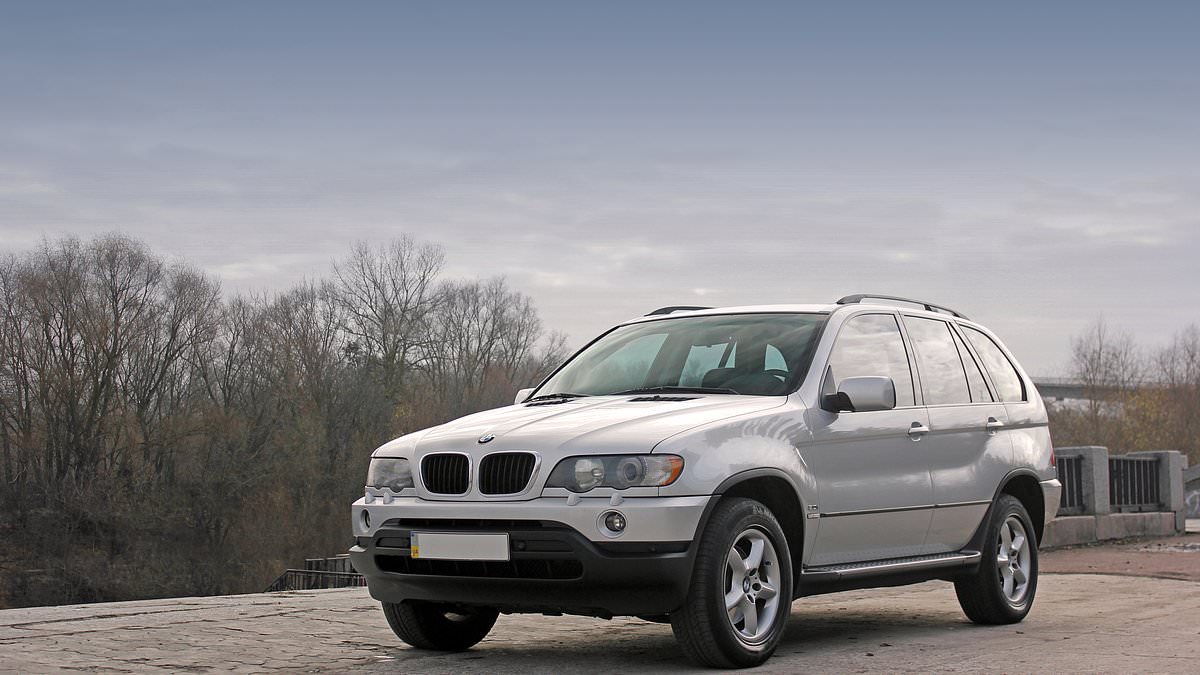
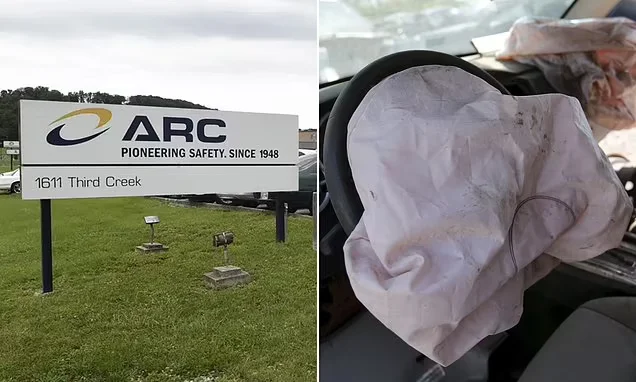
BMW has issued a recall of 486 SUVs in the US due to a deadly airbag issue caused by a malfunctioning driver-side airbag inflator manufactured by ARC Automotive and used by Takata. The airbags have been linked to 27 deaths and over 400 injuries in the US alone. The affected BMW models include X3, X4, and X5 SUVs built in 2014. Takata airbags containing ARC inflators can degrade over time, causing them to rupture and shoot metal shards into the passenger compartment. The NHTSA advises drivers to check their vehicle identification number (VIN) in the recall database. Takata has had about 67 million airbags recalled globally, and the NHTSA predicts that the recall will expand to include 52 million units by 2024.

"US Government Faces Resistance as it Urges Recall of 52 Million Defective Airbags"

Originally Published 2 years ago — by CNN

Featured image for "US Government Faces Resistance as it Urges Recall of 52 Million Defective Airbags"
Source: CNN

The US National Highway Traffic Safety Administration (NHTSA) is considering a recall of 52 million airbags produced by ARC Automotive and Delphi Automotive Systems due to the potential risk of inflator explosions in a crash. The NHTSA cites several cases of injuries and deaths caused by these airbags. ARC Automotive insists that a recall is unnecessary, stating that the failure rate is within expectations. General Motors (GM) has already recalled 1 million vehicles with these airbags, but GM believes that the evidence and data provided by NHTSA do not warrant a broader recall. The affected airbags were installed in vehicles made by 11 different manufacturers.

"GM's Stock Plummets as UAW Strike and Air Bag Recall Woes Intensify"

Originally Published 2 years ago — by CNBC

Featured image for "GM's Stock Plummets as UAW Strike and Air Bag Recall Woes Intensify"
Source: CNBC

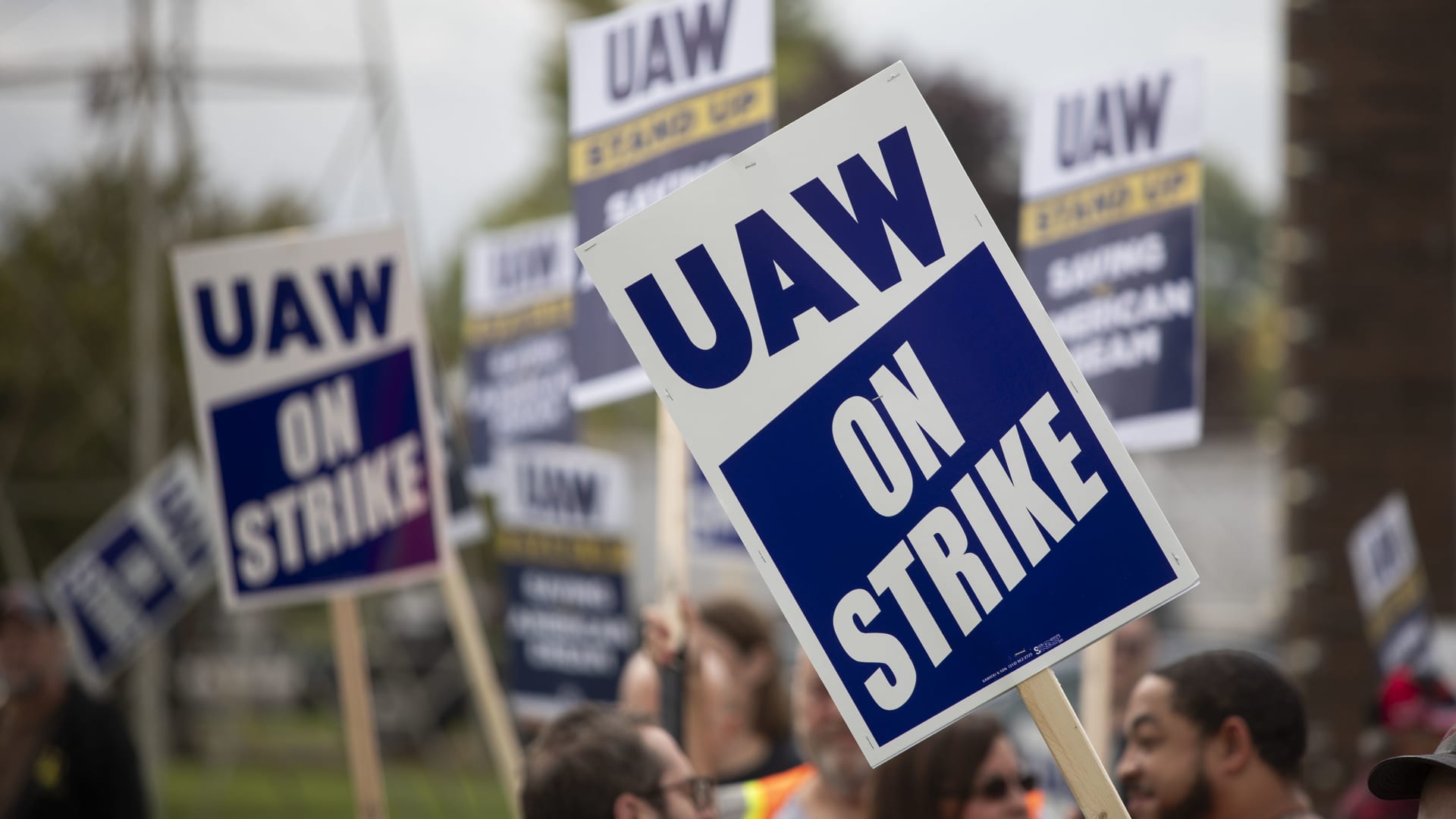
General Motors' stock price fell below $30 a share for the first time in over three years due to ongoing strikes by the United Auto Workers union and a potential airbag recall. Since the UAW strikes began, GM's shares have dropped by over 10%. The stock decline was further fueled by a report that GM has around 20 million vehicles with potentially dangerous airbag parts that should be recalled. The National Highway Traffic Safety Administration held a meeting on the matter, and GM has already recalled about 1 million vehicles. The company maintains that the evidence does not warrant additional recalls beyond those already conducted. Despite making a counteroffer to the union, GM's stock has experienced limited positive trading days.

"Massive Airbag Recall: GM's Stock Plummets to 3-Year Low"

Originally Published 2 years ago — by Autoblog

Featured image for "Massive Airbag Recall: GM's Stock Plummets to 3-Year Low"
Source: Autoblog

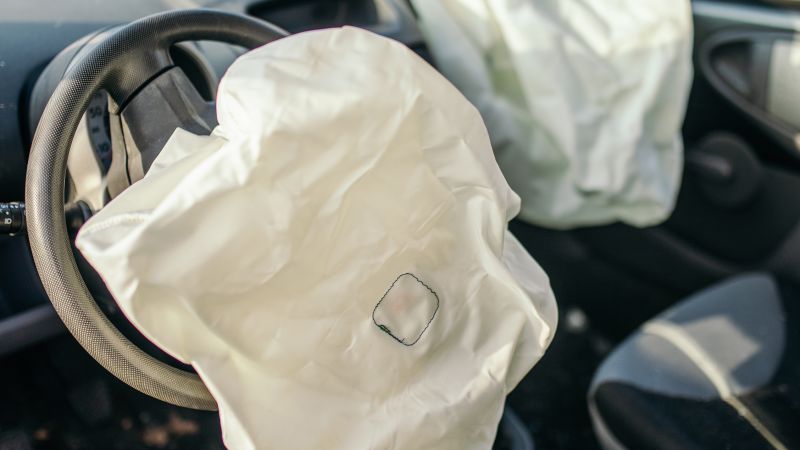
The National Highway Traffic Safety Administration (NHTSA) is urging a recall of over 50 million airbag inflators produced by ARC Automotive and Delphi Automotive, which have been linked to potentially deadly explosions. The inflators were installed in vehicles from 2000 through early 2018 by 12 automakers, including General Motors, Ford, Stellantis, Tesla, Toyota, Hyundai, Kia, Mercedes-Benz, BMW, and Volkswagen. NHTSA officials stated that while the odds of a rupture may be low, the consequences are severe and potentially deadly. The issue is tied to debris left in the inflators during manufacturing, which can cause a deadly rupture. The recall is being considered after ARC refused to voluntarily carry out a recall.

8-year investigation leads to recall of 67 million deadly airbags.

Originally Published 2 years ago — by The Wall Street Journal

Featured image for 8-year investigation leads to recall of 67 million deadly airbags.
Source: The Wall Street Journal

The National Highway Traffic Safety Administration (NHTSA) demanded a recall of an airbag part that could explode during crashes, eight years after the government began investigating the issue, during which two people died and eight were injured. Safety-defect investigations launched by the NHTSA are becoming increasingly lengthy, with many agency probes lasting three and four years, well past NHTSA’s longstanding goal of a year or less.

GM recalls 1 million SUVs for airbag inflator issue.

Originally Published 2 years ago — by WGN TV Chicago

Featured image for GM recalls 1 million SUVs for airbag inflator issue.
Source: WGN TV Chicago

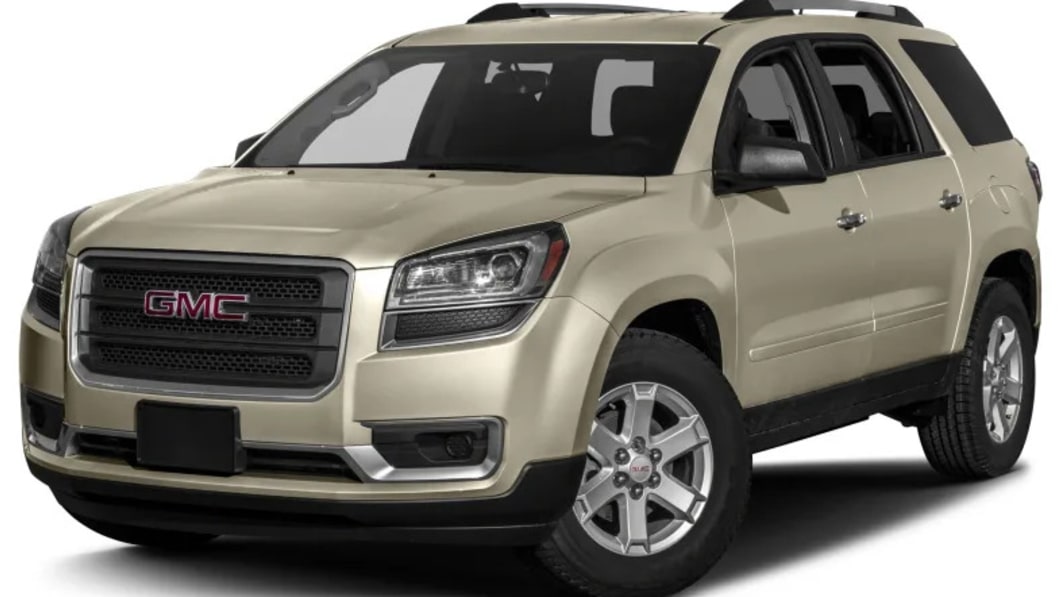
General Motors has recalled almost one million three-row crossover SUVs due to airbag inflators that could rupture unintentionally in a crash. The recall includes 2014-2017 Buick Enclave, Chevrolet Traverse, and GMC Acadia. The recall is not related to the Takata airbag recall, which was the largest recall in automotive history. GM may be operating out of an abundance of caution due to the Takata airbag recall. The supplier of the airbag inflators is U.S.-based ARC Automotive, and the reason for the ruptures remains unknown.

Airbag Manufacturer Defies US Government's Call for 67 Million Inflator Recall

Originally Published 2 years ago — by Daily Mail

Featured image for Airbag Manufacturer Defies US Government's Call for 67 Million Inflator Recall
Source: Daily Mail

ARC Automotive, a manufacturer of airbag components in Tennessee, has refused to recall 67 million devices that could explode and hurl shrapnel at motorists during a crash. The defective airbags are used in a variety of GM cars and have already killed two people and injured seven in the US and Canada. The National Highway Traffic Safety Administration has requested the recall, but ARC Automotive claims that no defect exists in its inflators and that any problems are related to isolated manufacturing issues. The next step is for NHTSA to schedule a public hearing, and the feds could then take the company to court to force a recall.