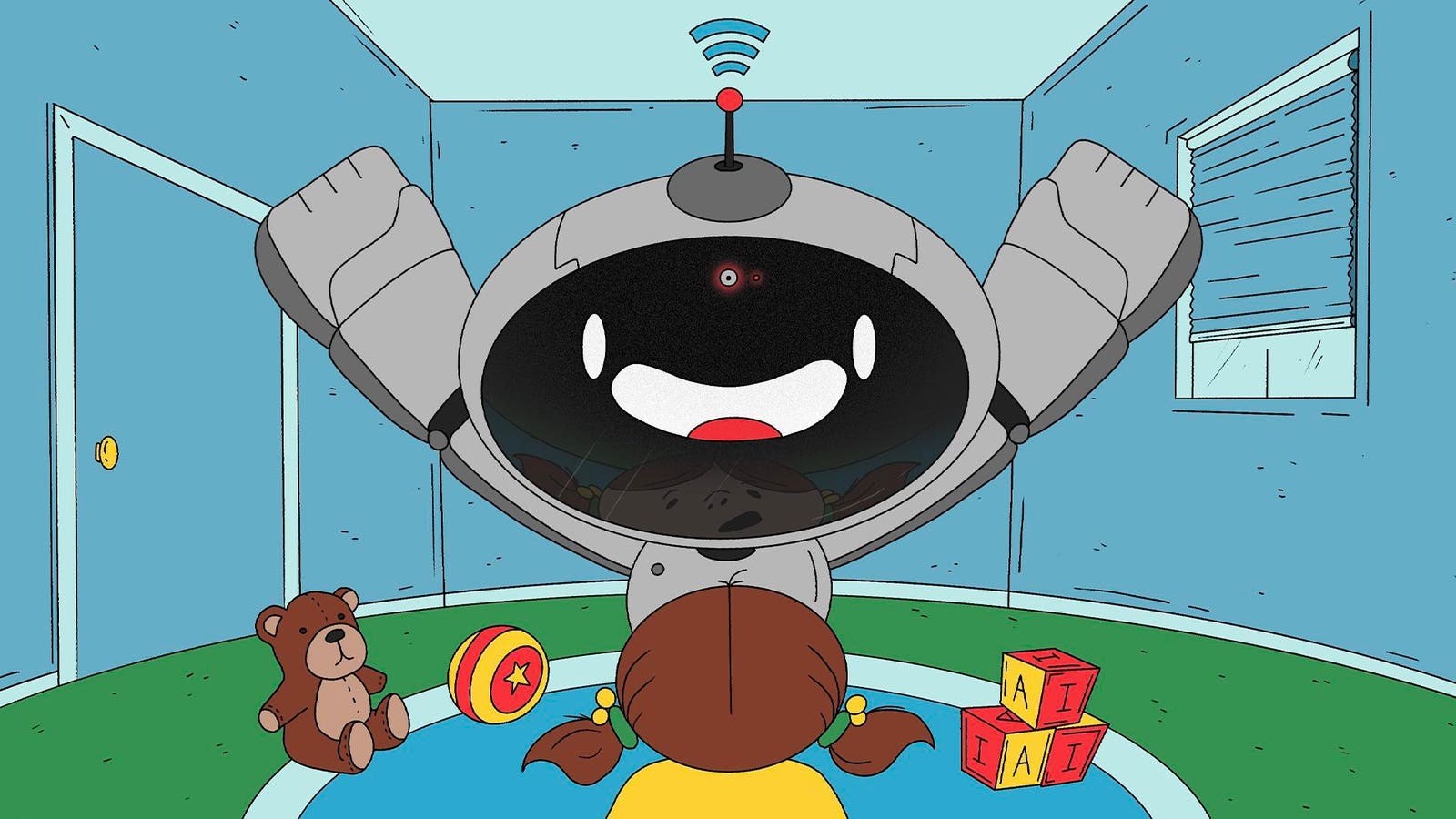
AI-powered toys are becoming more popular, offering interactive and educational experiences, but safety and privacy concerns have arisen due to potential inappropriate content, addiction risks, and data collection issues. Researchers and advocacy groups warn about the impact on children's development and call for stricter safeguards, while toy companies are working to address these challenges and develop safer products.
Chinese companies are developing AI-powered toys, such as plush animals and robot pets, as part of a growing industry supported by government initiatives, but concerns remain about safety, privacy, and the potential for an AI bubble.
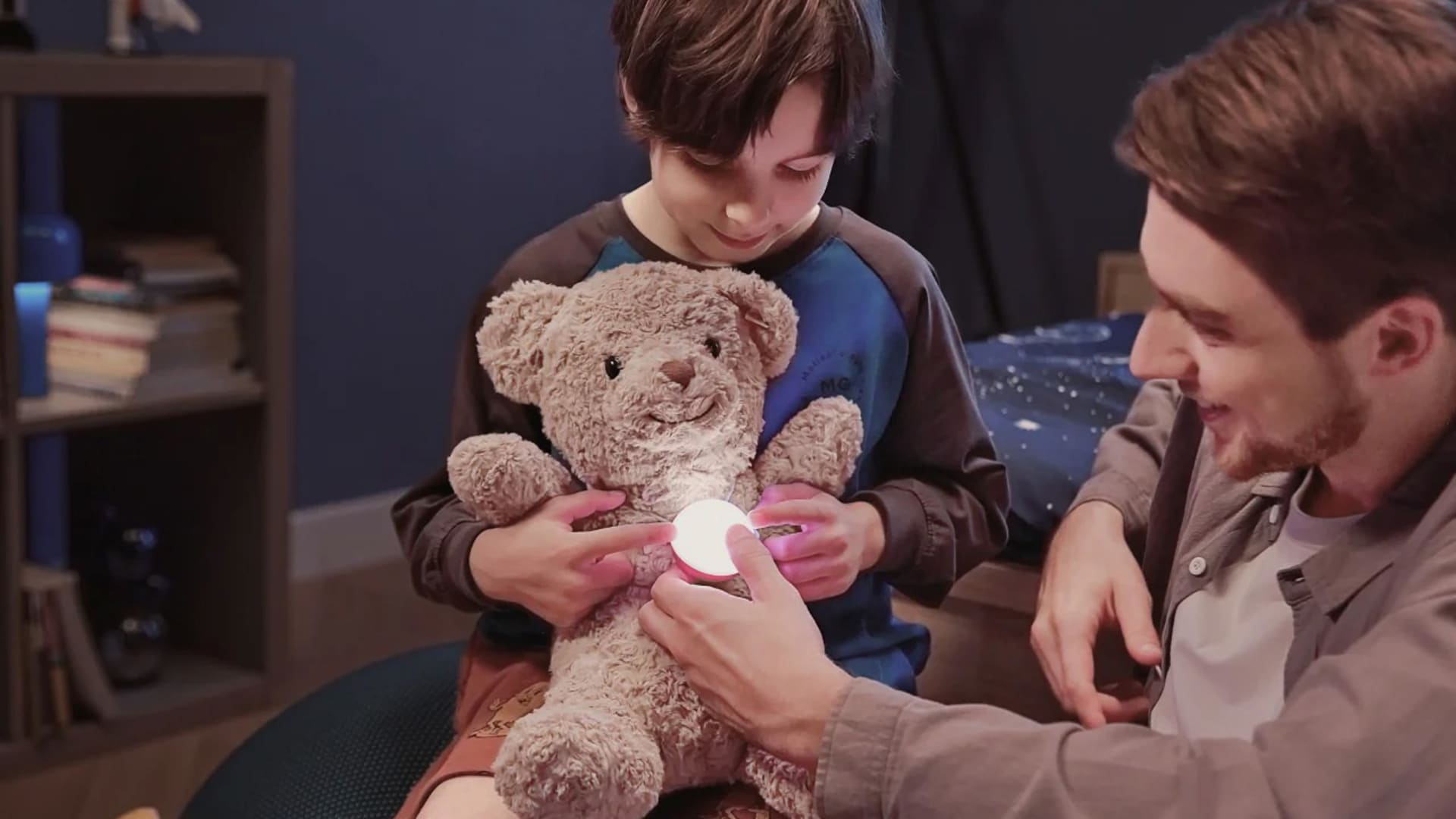
New AI-enabled stuffed animals are being marketed as interactive toys for children as young as 3, offering an alternative to screen time and parental attention, but raising concerns about privacy, influence, and the impact on children's understanding of privacy and independence.
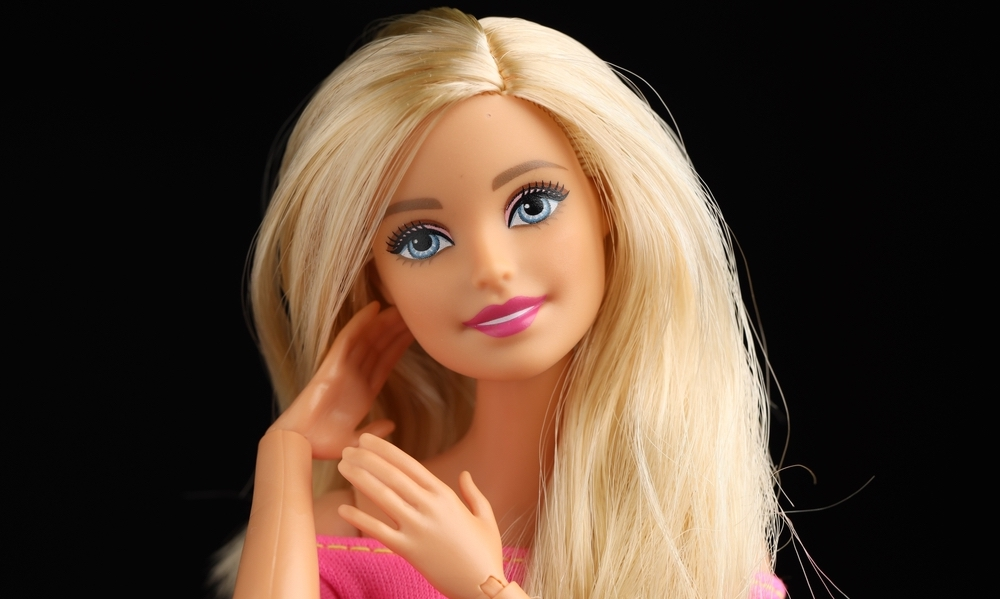
Mattel is partnering with OpenAI to integrate conversational AI into its toys like Barbie and Hot Wheels, aiming to create smarter, more responsive playthings that adapt to children’s preferences. While this innovation promises educational and creative benefits, it raises concerns about privacy and the potential impact on imaginative play, prompting calls for transparency and robust data protections. The success of this venture could redefine interactive play and set new standards for trust in AI-powered toys.
Startups are creating AI-powered toys like Miko, Grok, Fawn, and Moxie, equipped with generative AI to engage children in conversations, storytelling, and emotional support. These toys aim to foster social and emotional well-being, but concerns about accuracy, privacy, and the ability to replace human therapists persist. While some parents find these AI toys beneficial for their children, experts caution that generative AI has not yet reached a stage where it can safely be used for crucial tasks like therapy, and privacy measures need to be carefully considered.
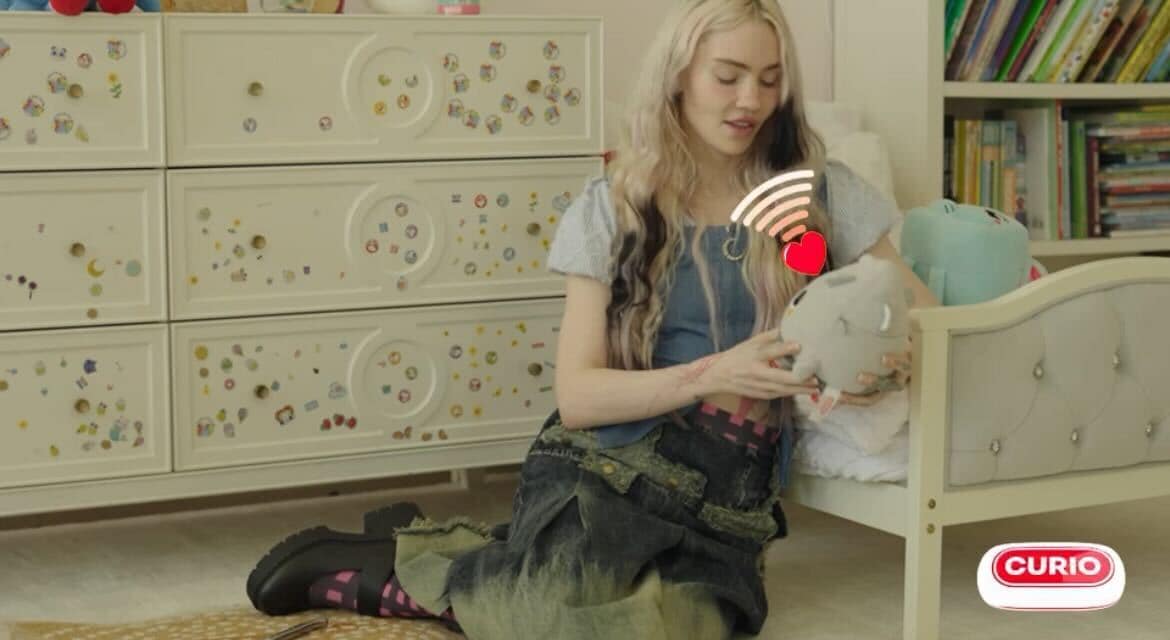
Curio, a Silicon Valley start-up partnering with OpenAI, is developing Grok, an AI-powered plush toy that can engage in long-running, interactive conversations with children. The toy, shaped like a rocket, aims to provide an antidote to children's screen addiction and increase imagination levels. Grok will be voiced by musician Grimes, who is also an investor and adviser to the company. Curio plans to give parents control over the toy's conversations and provide full transcripts of interactions. The AI toy market is expected to be worth $35.11 billion by 2030.