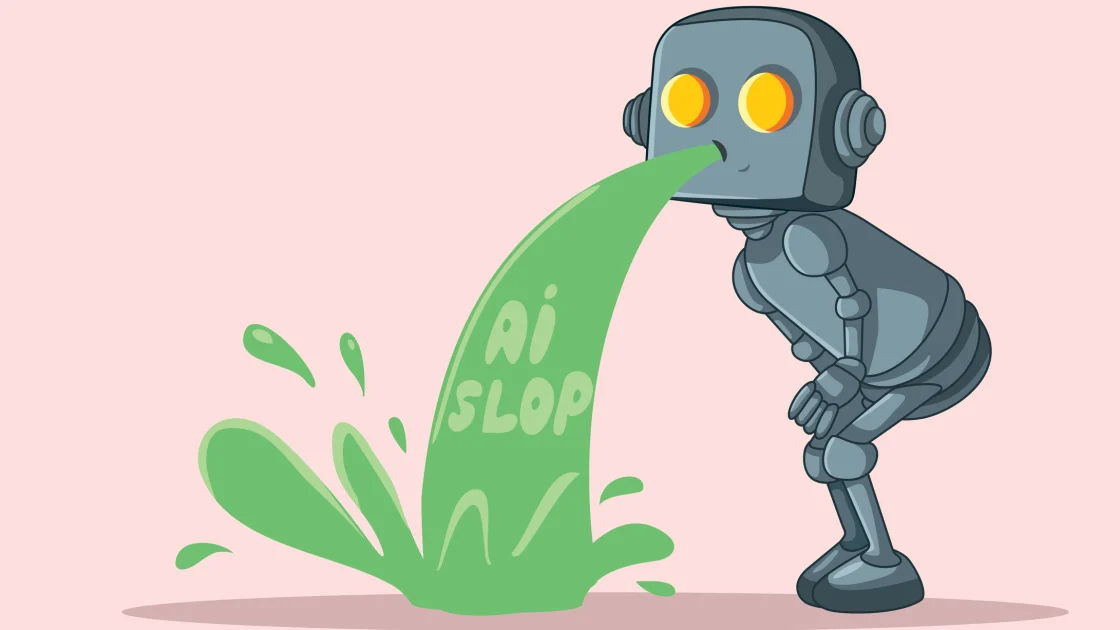
A study by Kapwing reveals that over 20% of new YouTube Shorts are low-quality, AI-generated content, with a significant portion of the first 500 videos being AI-created or brainrot, highlighting the growing prevalence of AI slop on the platform and its global variation.
A report by Kapwing reveals that over 21% of YouTube content is now AI-generated, dubbed 'AI slop,' with South Korea leading in consumption. The rise of AI in content creation extends beyond video to written articles and workplace materials, raising concerns about quality and authenticity. Platforms like TikTok are taking steps to combat AI slop by introducing features to identify AI-generated content.
Many publishers and brands are facing challenges and backlash due to errors and quality issues in their AI-generated content, highlighting the risks of premature AI integration without proper safeguards, despite the industry's push to adopt AI for competitiveness and cost savings.
The Autopian discusses how recent Google algorithm changes, particularly affecting Google Discover, have significantly reduced their website traffic, impacting revenue. They highlight the shift towards low-quality, AI-generated content promoted by Google and emphasize the importance of membership support to sustain their site. The author urges readers to become members to help maintain high-quality, human-created content and ensure the site's future.
HBO Max is raising its subscription prices for the third consecutive year, affecting all plans including ad-supported, ad-free, and 4K options, with new rates taking effect immediately for new customers and from November 20th for existing subscribers, amid parent company efforts to capitalize on perceived content quality.
Google has rolled out its March 2024 Core Update, aiming to reduce unhelpful and unoriginal content in search results by 40% through algorithmic enhancements and refined ranking systems. The update also introduces new spam policies targeting scaled content abuse, site reputation abuse, and expired domain abuse, with websites given a two-month window to comply. Google emphasizes its commitment to improving search result quality and user experience.
Google emphasizes its focus on the quality of content rather than its production method, as AI-generated duplicates of articles continue to proliferate on Google News. Despite Google's policies against automatically-generated content for ranking purposes, the issue persists, with AI-powered sites copying and posting content from various sources. Google's automated process for adding content to Google News aims to reward original content, but the system is struggling to filter out automatically-generated content. While Google has taken action against some sites stealing content, it continues to test AI-powered search experiences that may further obscure original sources.
Microsoft's MSN news portal has been criticized for pumping out AI-generated "news" articles that are often misleading and incomprehensible. The company's decision to lay off human editors and rely on AI has resulted in the distribution of garbage content to millions of readers. Microsoft has faced backlash for publishing inappropriate and tasteless AI-generated polls, as well as bogus stories. Former editors express concern over the potential impact on readers who may be swayed by the content. While Microsoft claims to be addressing the issue, the incident raises questions about the future of AI in media and the standards of journalism.
Reddit's recent removal of moderators who protested against the platform's new API fees has raised concerns about the quality of content on the site. Former moderators of the r/canning subreddit, who hold science-related master's degrees, fear that the lack of subject matter expertise among replacement moderators could lead to the spread of dangerous misinformation. They worry that unsafe canning advice may go unnoticed, potentially putting users at risk. The hasty appointment of replacement mods and the removal of experienced moderators have raised questions about whether Reddit prioritized reopening subreddits over finding the best people for the job.
Google does not label AI-generated content and leaves it up to publishers to decide whether to label it or not. Google recommends that publishers have a human editor review AI-generated content before publishing it. Google's algorithms and signals are based on human content and will rank natural content at the top. Google is currently discussing how to handle AI content and E-E-A-T and will announce a policy once they have settled on it.