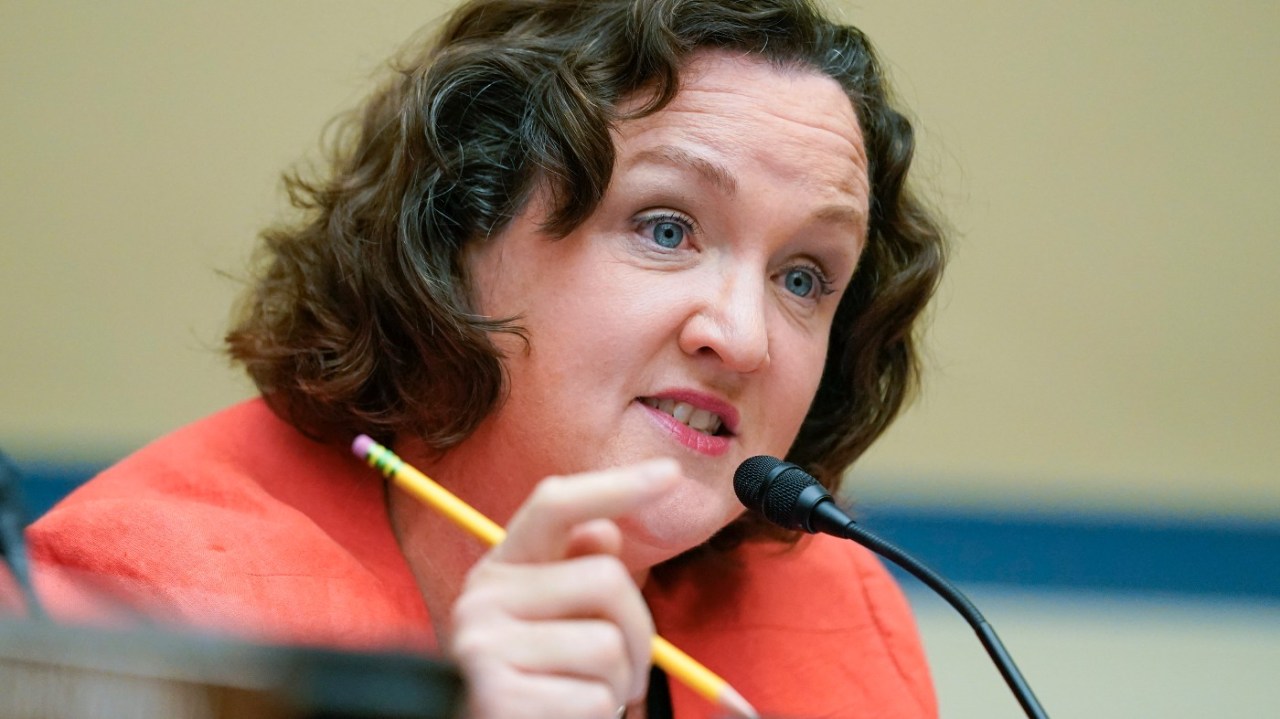
California Democrat Katie Porter, running for Senate, suggests discussing age limits for all elected officials, including President Biden and former President Trump, during a debate. The discussion comes as she, along with other candidates, vies for the seat left open by the late Sen. Dianne Feinstein. The primary will be held on March 5, with the top two candidates advancing to the general election, regardless of party affiliation.
During a California Senate debate, Democratic Rep. Katie Porter endorsed exploring age caps for all elected officials while praising President Biden's performance. The debate also saw Republican Steve Garvey criticizing Biden's mental acuity, while Porter positioned herself as a disruptor of the status quo and took jabs at fellow Democrat Adam Schiff. The candidates largely avoided direct criticism of Biden's age, with Porter emphasizing generational change and contrasting herself with Schiff.
Kim Kardashian opens up about her dating life and romantic aspirations after her breakup with Pete Davidson. During an episode of "The Kardashians," Kim discusses her preferences and challenges in love with her friends. She jokingly mentions having age limits and expresses a desire for a more age-appropriate partner in their 40s. Kim embraces being single and is confident that the right situation will come her way.
In an interview with NBC, former President Donald Trump criticized Republicans for their inarticulate stance on abortion and advised them to abandon hardline abortion bans without exceptions. He expressed interest in choosing Kristi Noem as his vice-presidential running mate if he wins the Republican nomination in 2024. Trump also discussed his thoughts on democratic principles, age limits for politicians, and his opposition to Biden's competency rather than his age. He revealed that he had considered pardoning himself during his presidency and dismissed concerns about potential prison time. The interview received criticism for giving Trump a platform despite his alleged criminal misdeeds.
The author argues against age limits for political leaders, emphasizing the value of experience and the lack of evidence that younger politicians are better equipped to govern. While acknowledging cases where age-related issues may disqualify individuals, the author suggests that a cognitive test would be a more reasonable measure than an arbitrary age limit. Ultimately, the author believes that voters have the power to choose their leaders and should exercise it if they believe someone is unfit for office.
A couple who moved to The Villages 15 years ago expresses their appreciation for a place that welcomes their extended family, including children, grandchildren, and in-laws. They emphasize that they would never have moved to a place that excluded their family and question the idea of setting age limits on visitors.
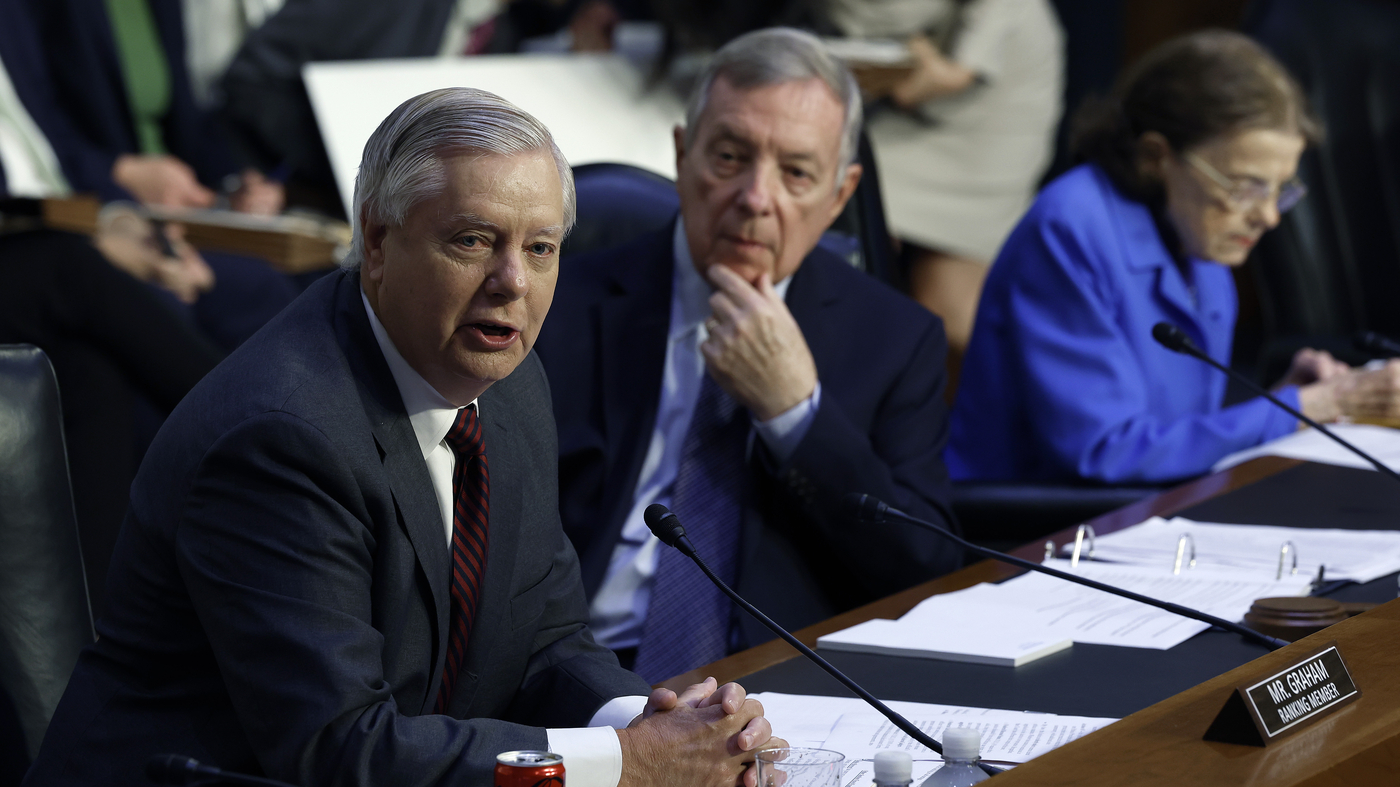
The recent incidents involving Senators Mitch McConnell and Dianne Feinstein have raised questions about whether age limits should be considered for holding office. With the median age of U.S. senators at a record high of 65, concerns over life expectancy and mental fitness are likely to continue as Congress gets older. However, imposing age limits would require a constitutional amendment, which is a challenging process. While some argue that term limits could address the issue of gerontocracy, critics believe that experience and seniority play important roles in effective governance.
The recent cognitive incidents of high-profile politicians like Mitch McConnell and Dianne Feinstein highlight the issue of the advanced age of America's top lawmakers. With the median age of the Senate being 65.3, the oldest ever, and the lack of term limits, there is a concern about a cozy club of multimillionaire boomer lawmakers hoarding power and refusing to make space for a younger generation. While age itself may not be the problem, the lack of fresh blood and ideas in government is. The article suggests the need for term limits to ensure a healthy democracy and a constant stream of new perspectives.
As the 2024 presidential election approaches, Republicans are putting forth a range of big ideas to appeal to primary voters. Some of these ideas include imposing a "mental competency" test for older candidates, raising the legal voting age to 25, changing the age at which Americans can access retirement benefits, revoking birthright citizenship, and building new "freedom cities" and innovating vertical-takeoff vehicles. Additionally, Florida Governor Ron DeSantis wants to undo the First Step Act, a criminal justice and sentencing reform law, and impose the death penalty for drug offenders.
Florida Governor Ron DeSantis has outlined the possibility of building a "7-2 conservative majority" on the US Supreme Court by replacing four justices, including conservative stalwarts Clarence Thomas and Samuel Alito, who he believes are poised to leave the bench in the next eight or nine years. DeSantis also highlighted the potential opportunity to replace Chief Justice John Roberts or liberal Justice Sonia Sotomayor to cement a conservative majority for years. As governor, DeSantis spoke about tilting the Florida Supreme Court to a conservative majority, with the help of age limits.