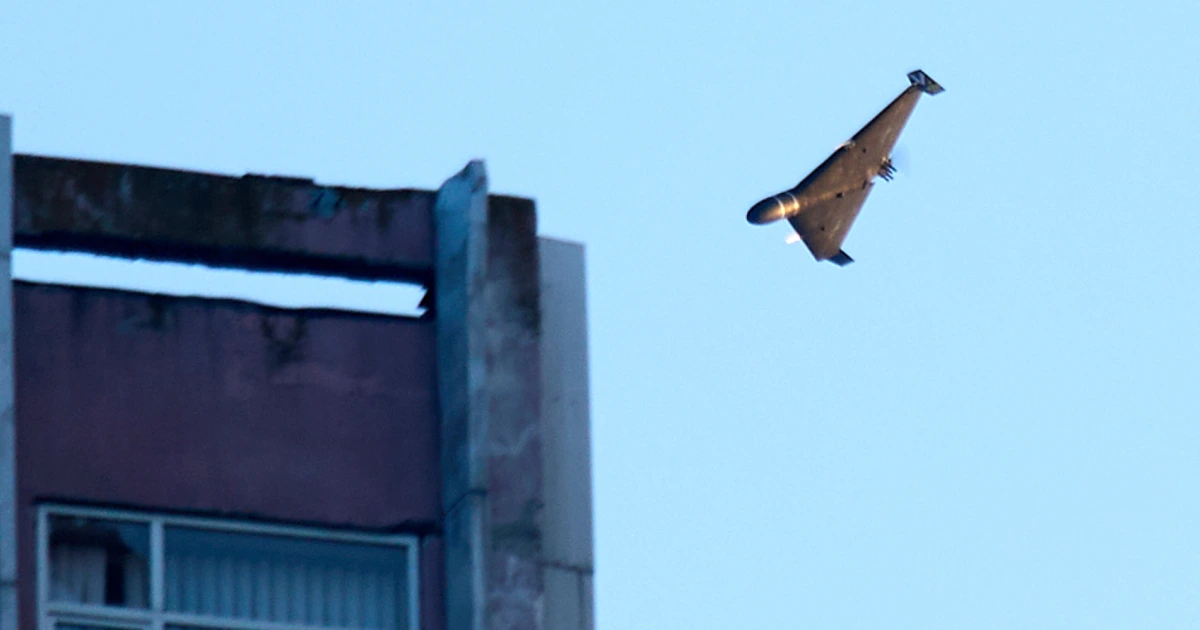
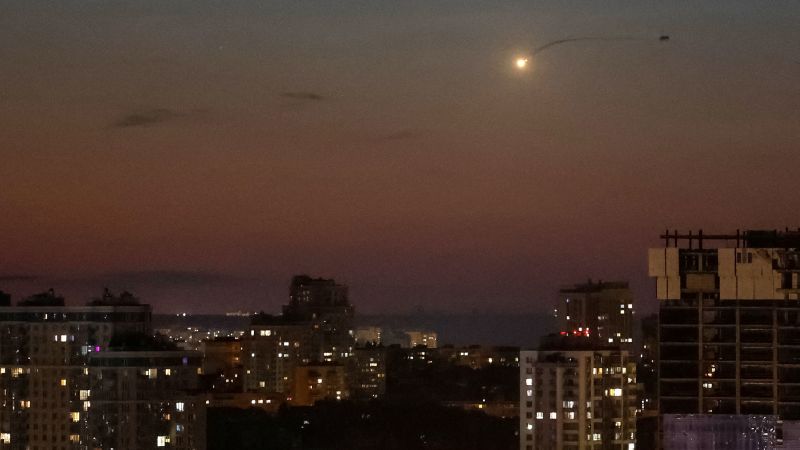
Russia launched its largest aerial assault since the start of the Ukraine war, firing 537 weapons including drones and missiles, resulting in casualties and widespread damage across multiple regions, amid ongoing conflict and diplomatic tensions.
During a major Russian aerial assault involving hundreds of drones and missiles, Ukrainian F-16 pilot 1st Class Lt. Col. Maksym Ustymenko was killed while attempting to steer his jet away from populated areas, marking the third F-16 loss for Ukraine. The attack was one of Russia’s largest ever, prompting Ukraine to seek increased Western air defenses, including US Patriot systems, amid ongoing intense hostilities and a controversial decision to withdraw from the Ottawa Treaty on landmines.
Russia launched its largest aerial assault on Ukraine since the invasion began, using over 500 drones and missiles, resulting in civilian injuries, damage to infrastructure, and the death of Ukrainian F-16 pilot Maksym Ustymenko. Despite diplomatic talks, hostilities continue with Russian advances and increased attacks, highlighting ongoing tensions and conflict in the region.
Russia launched a large-scale aerial attack on Ukraine using at least 479 drones, one of the largest overnight strikes of the war, prompting Ukrainian air defenses to intercept and shoot down many of the drones, while Polish and allied planes briefly scrambled in response to the threat.
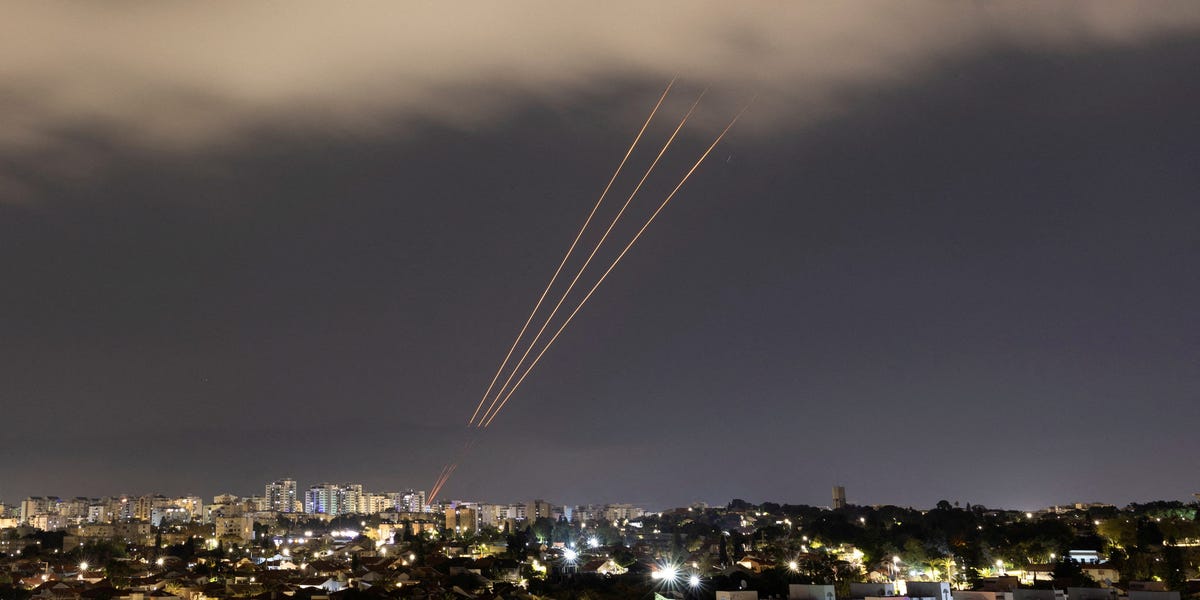
Military analysts compare Iran's recent aerial attack on Israel to Russian tactics in Ukraine, with some noting that Iran had used similar tactics before Russia's invasion of Ukraine. The attack, which included drones, cruise missiles, and ballistic missiles, was largely intercepted by Israel's defense systems, with assistance from the US and the UK. Analysts debate the attack's intention, with some viewing it as a warning to re-establish deterrence, while others believe it was designed to succeed. Iran cited retaliation for Israel's strike on its embassy compound in Damascus as the reason for the attack.
Iran launched a massive aerial attack on Israel, involving over 120 ballistic missiles, 170 drones, and 30 cruise missiles, in retaliation for a suspected Israeli strike on its consulate in Syria. The attack resulted in explosions across Israel, with a seven-year-old girl severely injured and minor infrastructure damage. Israeli Prime Minister Benjamin Netanyahu vowed to defend against any threat, while Iran warned of a larger response if Israel retaliates. The international community expressed concern and called for de-escalation, with the UN Security Council set to hold an emergency meeting.
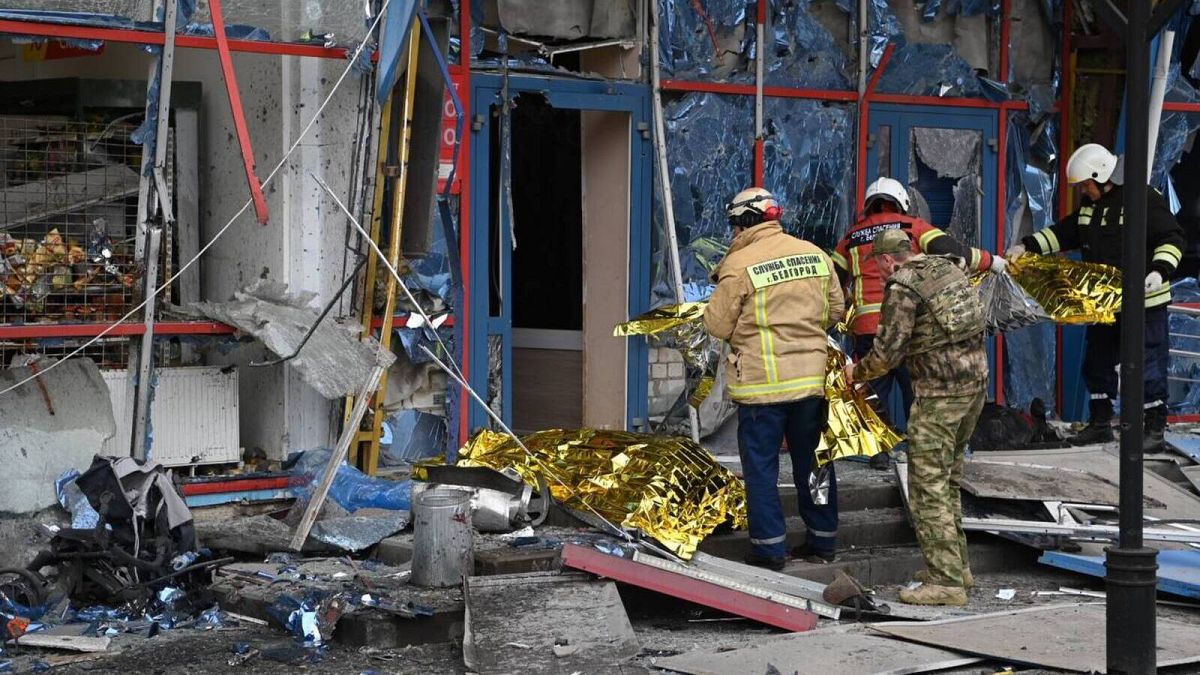
A missile strike hit the Russian city of Belgorod near the Ukraine border, killing six people, including a child, and injuring 18 others. The attack targeted a shopping center and a school stadium, with videos showing widespread damage. Russia's Ministry of Defence claimed that Ukraine launched the rockets, and the assaults have disrupted President Putin's efforts to portray normalcy in the country. The conflict in Ukraine has reached a stalemate, with aerial combat becoming the primary mode of engagement.
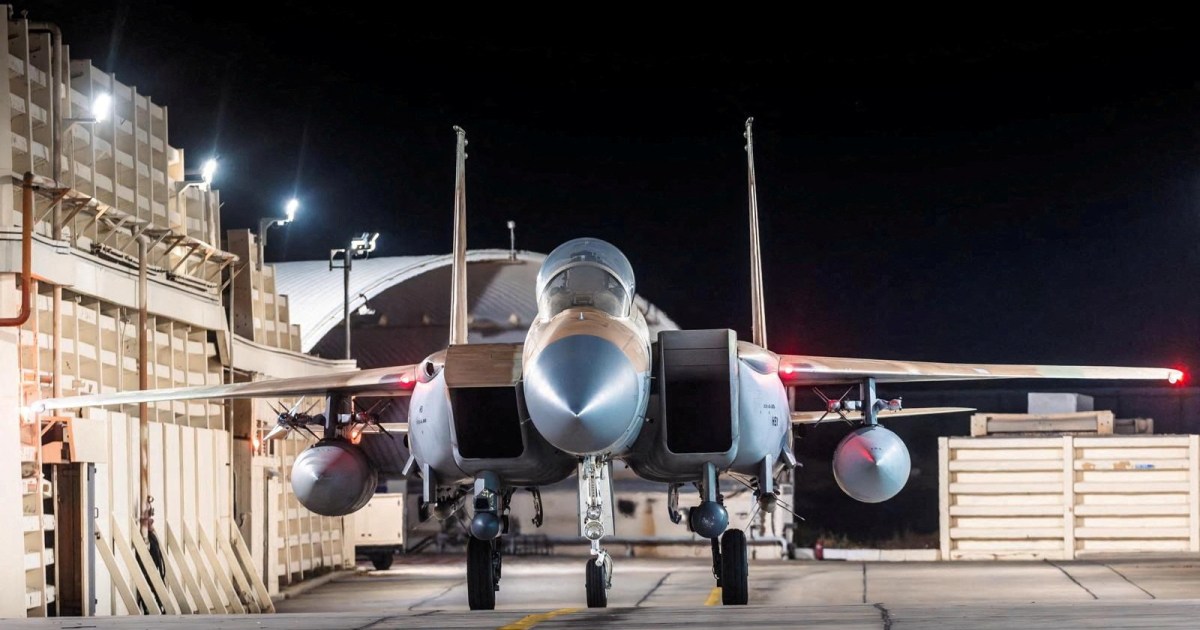
Israel reportedly conducted an aerial attack targeting military sites in southern Syria, causing material losses. The specific sites targeted were not identified. Israel has frequently targeted what it claims are Iran-linked targets in Syria, where Iran's influence has grown due to its support for President Bashar al-Assad. The strikes are believed to have hit a Syrian army air defense base and a radar station in the Sweida province. The Syrian army's Fourth Division, along with Iranian militias, is suspected of running a billion-dollar drug trade across the border to Jordan.
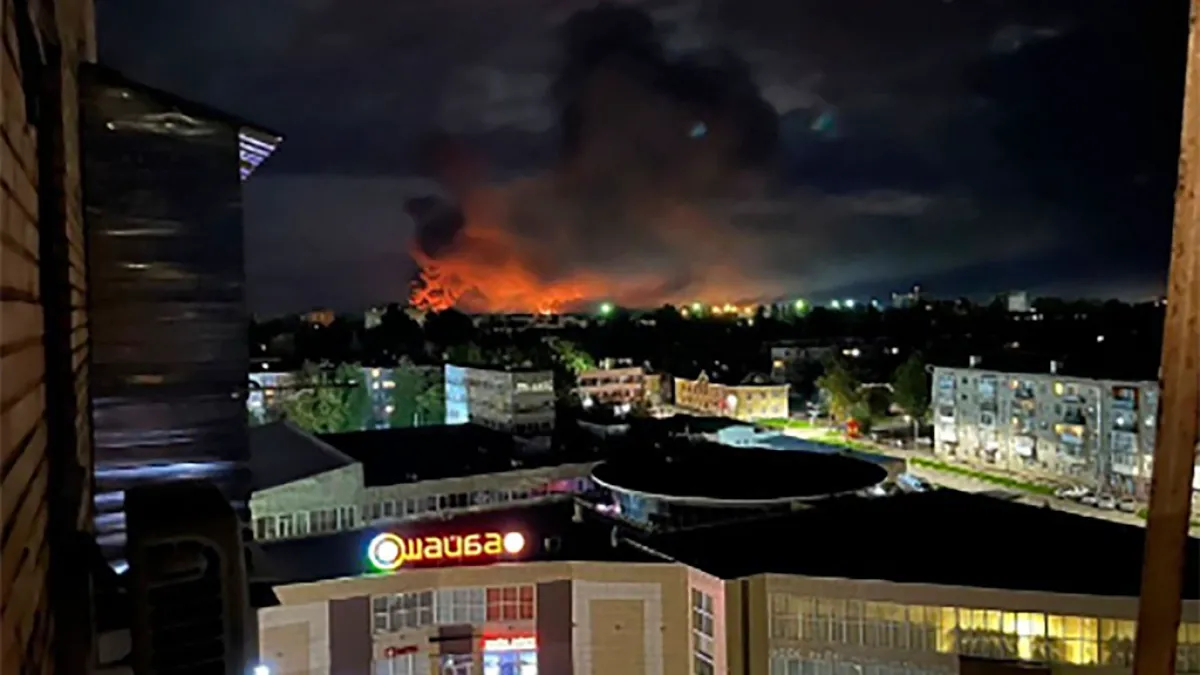
Russian forces launched an aerial attack on the Black Sea port of Odessa, Ukraine, causing significant damage to the port and destroying granaries. Most of the missiles and drones were intercepted by Ukrainian air defenses, but a fire broke out in an unused hotel. In other developments, Canada's House of Commons speaker apologized for praising a 98-year-old Ukrainian man who served in a Nazi military unit, a prominent Russian opposition figure was transferred to a maximum-security prison in Siberia, internet censorship has been imposed in Ukraine's occupied Donetsk region, and a bipartisan group of senators stated that there is no evidence of US-provided weapons ending up on the black market in Ukraine. Canada pledged $482 million in defense support to Ukraine, and Finland's foreign minister emphasized the importance of aiding Ukraine and acknowledged that the conflict is not solely Putin's war.
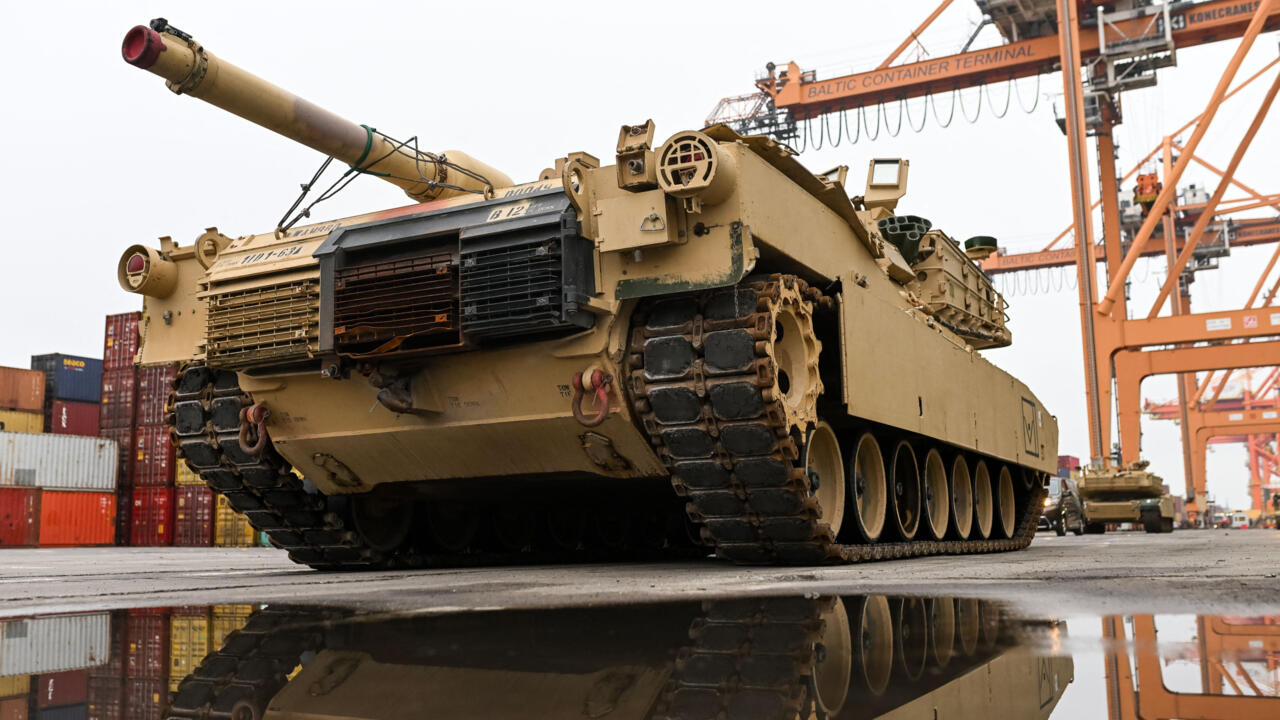
Ukrainian President Volodymyr Zelensky announced that US-made Abrams battle tanks have arrived in Ukraine to support their counteroffensive against Russian forces. This comes after Russia launched a major aerial attack on southern Ukraine, targeting the Odesa port and destroying grain stores. Hungary has also stated that it will not support Ukraine in international affairs until the rights of ethnic Hungarians in Ukraine are restored. The International Criminal Court has placed the president of the ICC, Piotr Hofmanski, on Russia's wanted list, and a UN investigation has warned that some rhetoric transmitted by Russian media could amount to incitement to genocide in Ukraine.
Ukrainian President Zelenskyy claims that Ukraine has developed a new weapon with a range of 700km, hinting at its use in an aerial attack on a Russian airport. While Ukraine rarely comments on attacks inside Russia, Zelenskyy appeared to suggest Ukrainian involvement in the attack. Ukraine has been stepping up drone attacks on targets in Russia and Russian-controlled territory as part of its strategy to erode Russian morale and increase pressure on its commanders. Ukrainian forces have reportedly reached the main Russian defensive lines and are advancing towards deeper Russian defenses.
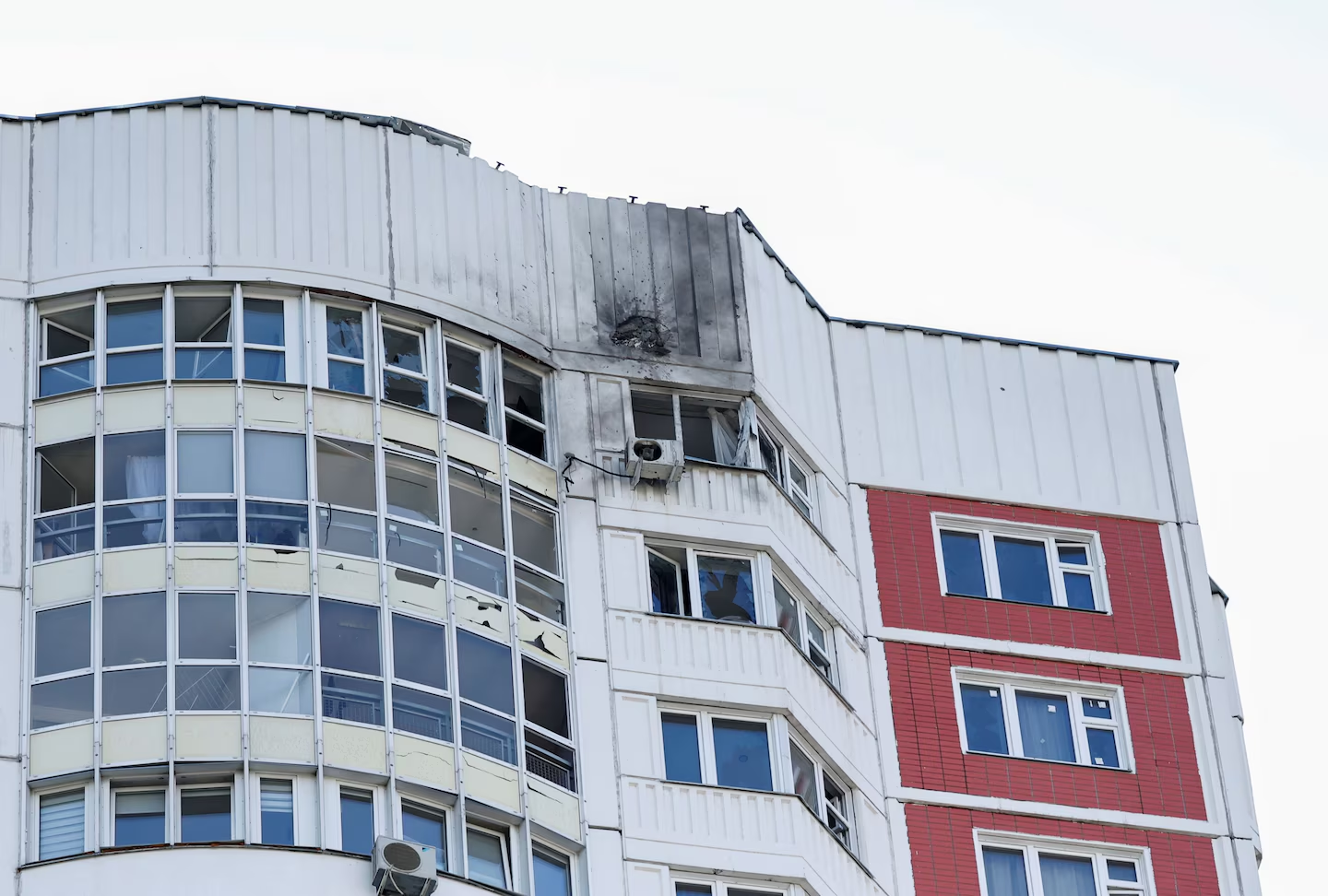
Moscow experienced a rare drone attack on residential buildings, which Russia claims was carried out by Ukraine. This came after Russia conducted its third aerial attack on Kyiv in 24 hours, killing at least one person and wounding four. At least 16 American military veterans have died fighting for Ukraine, and Memorial Day brings up complicated emotions for their families.