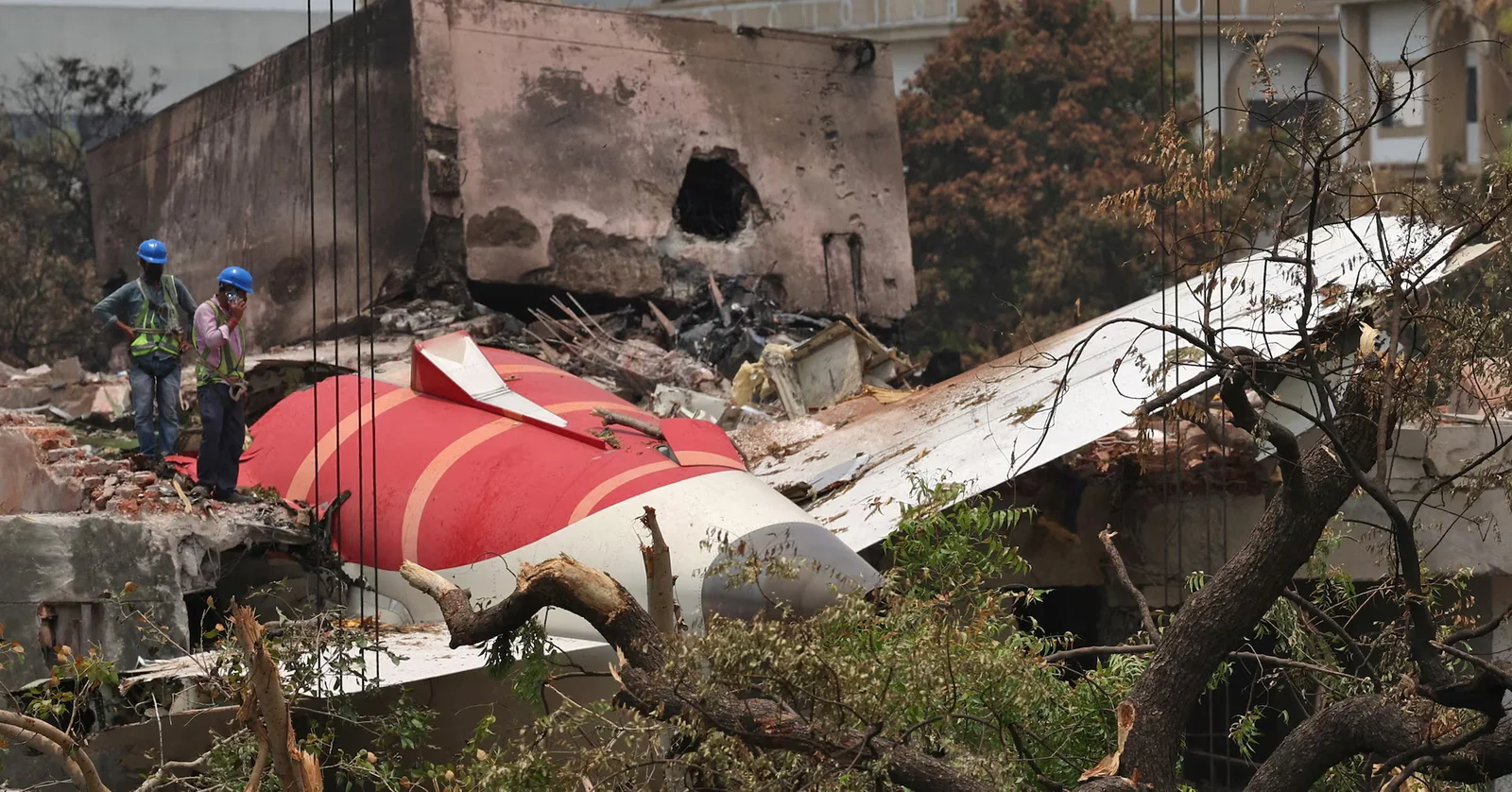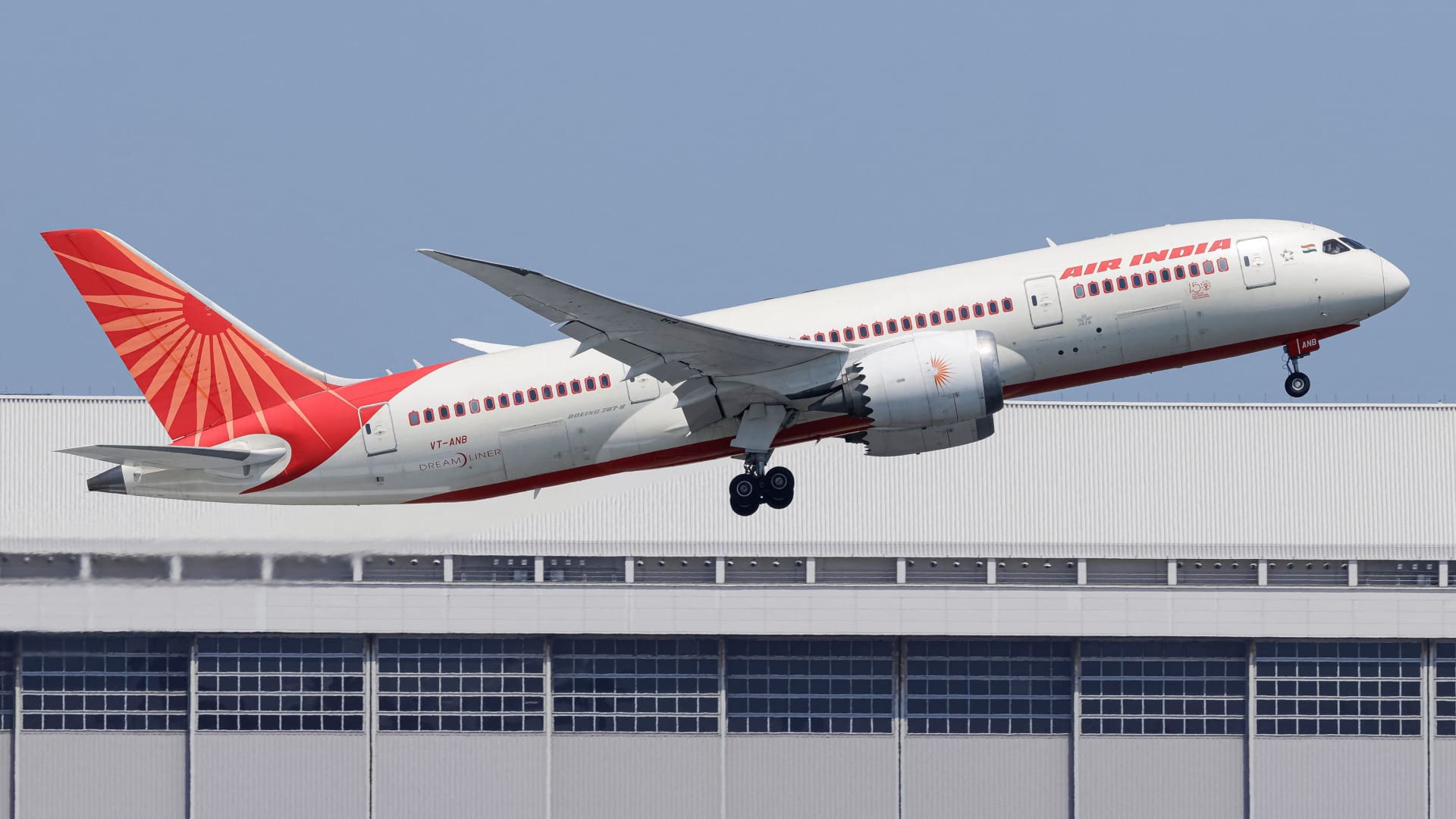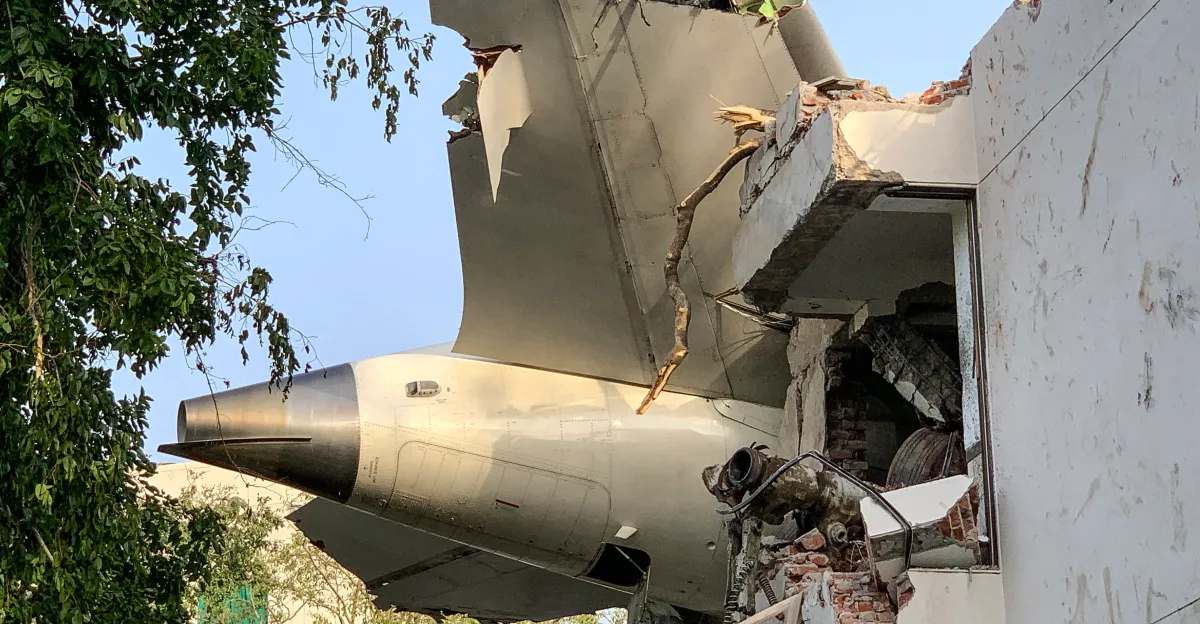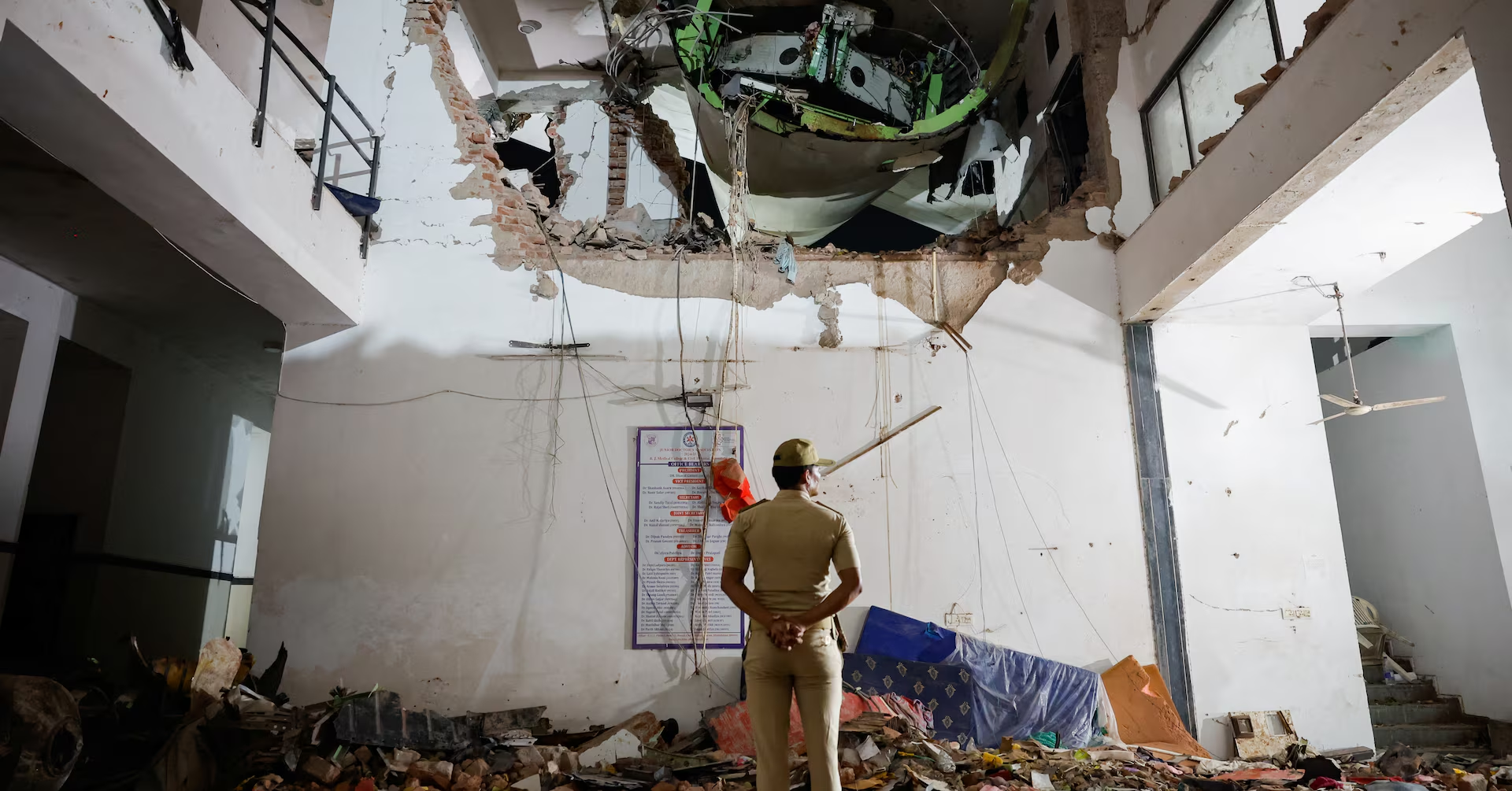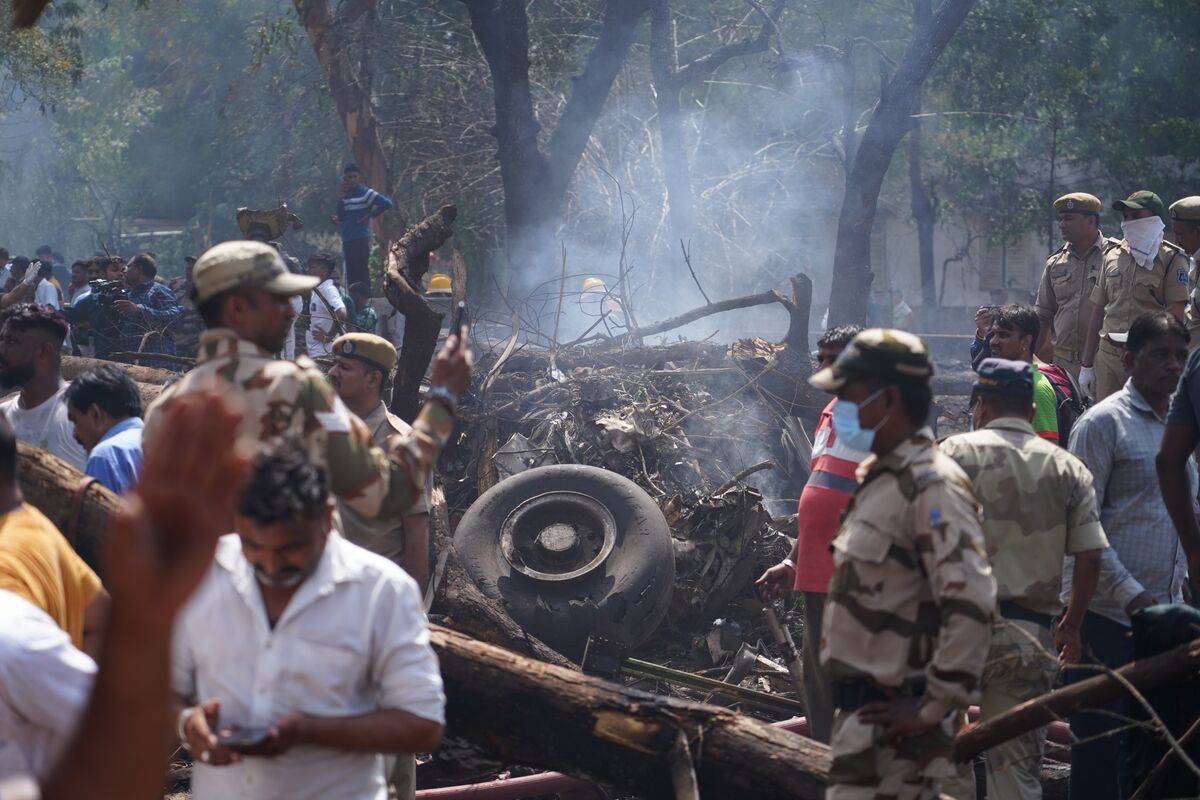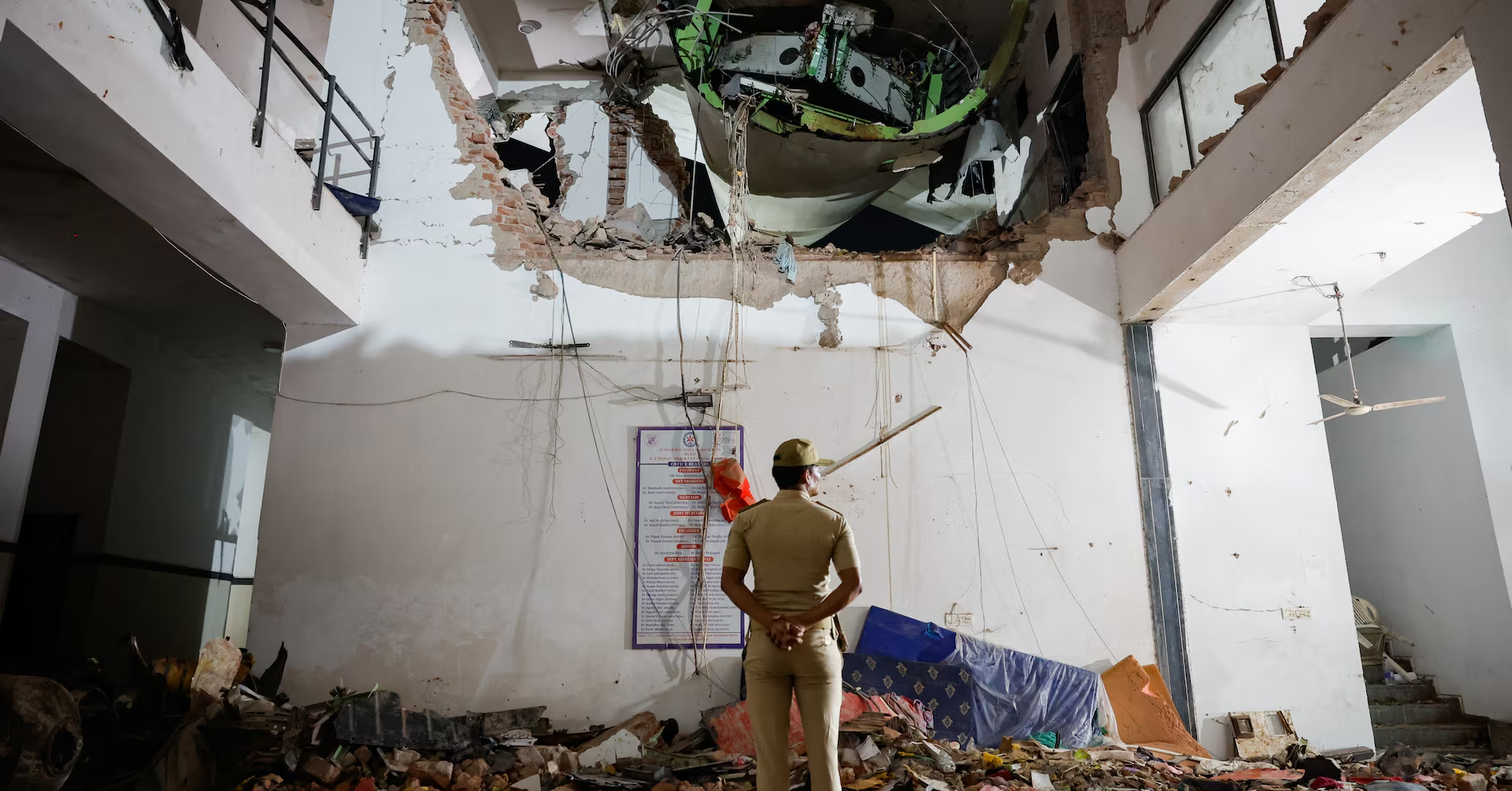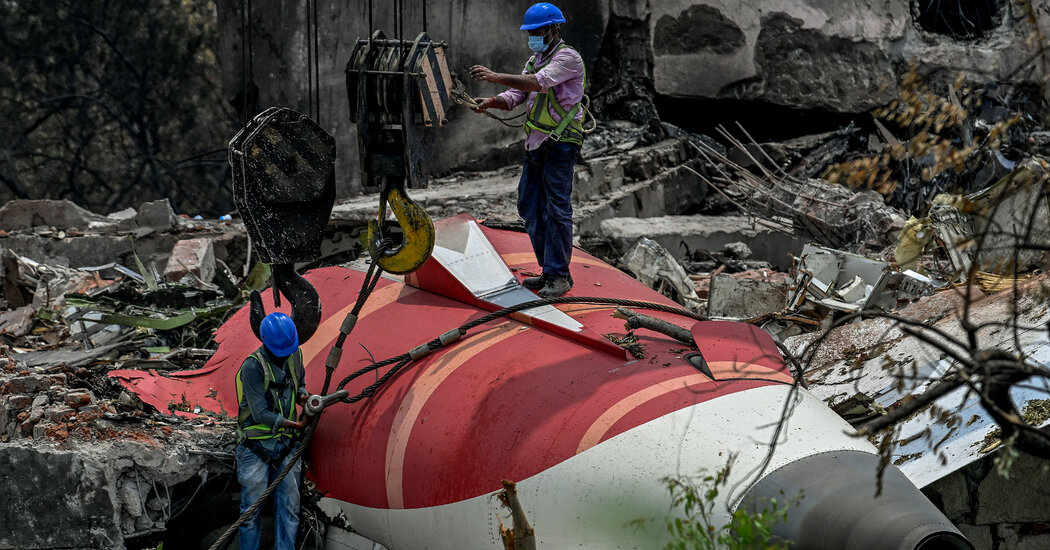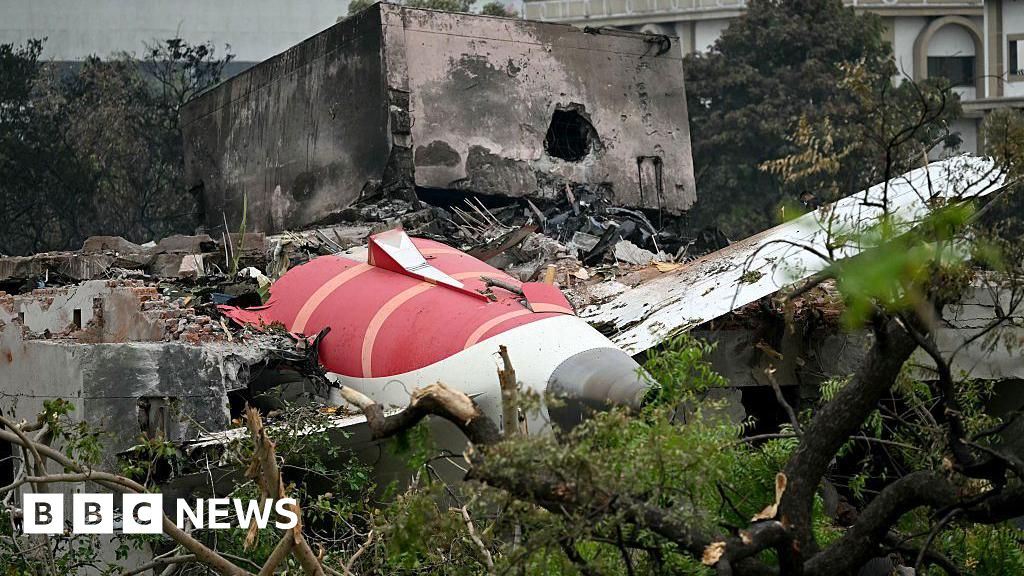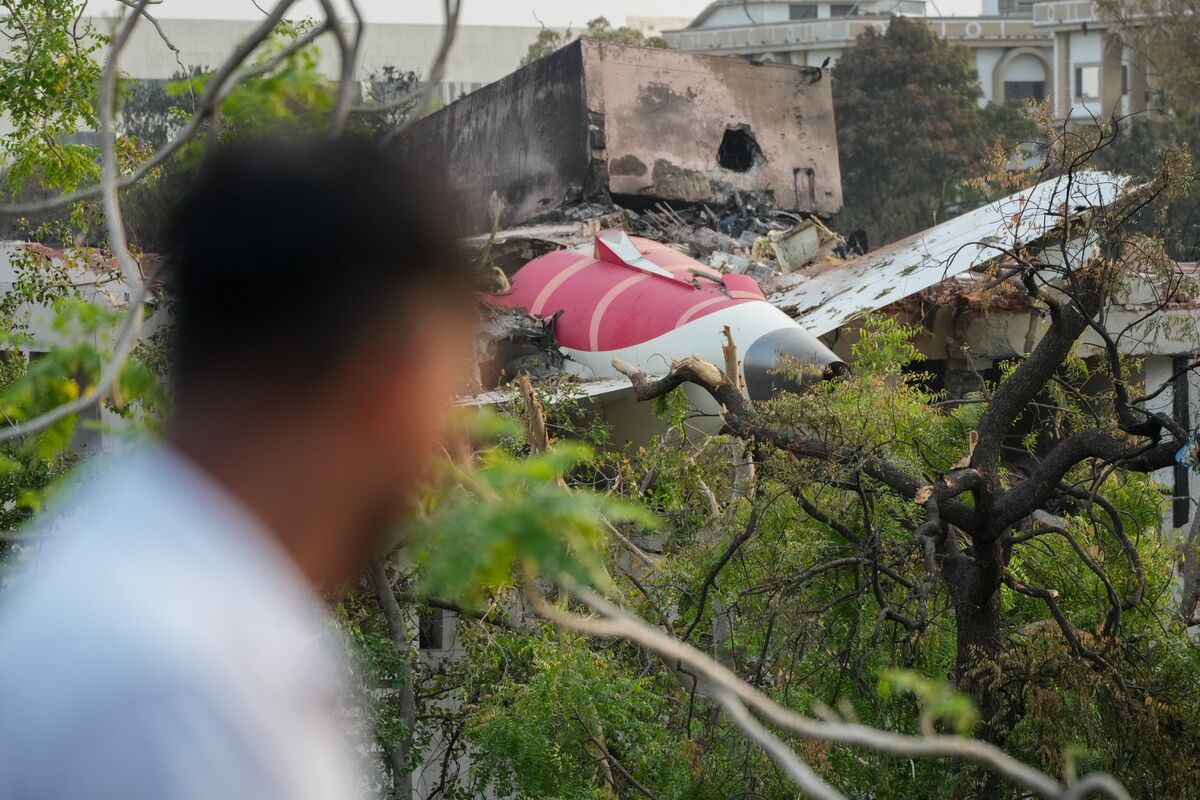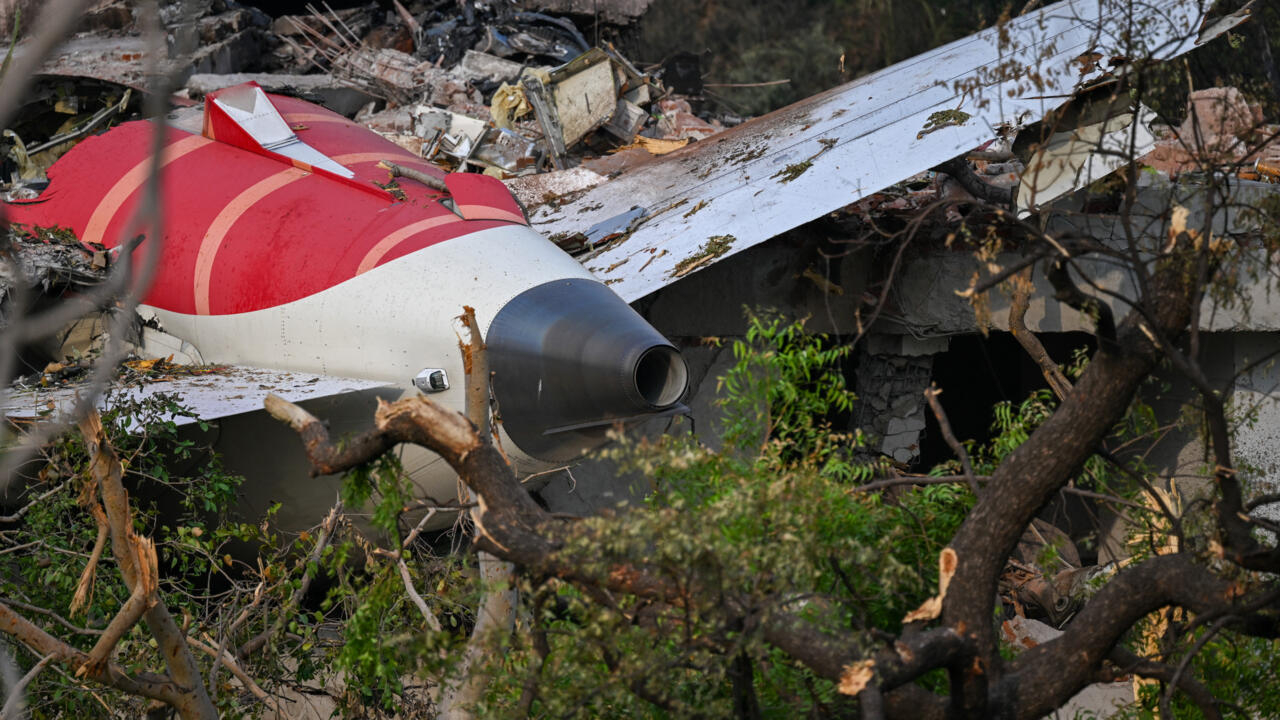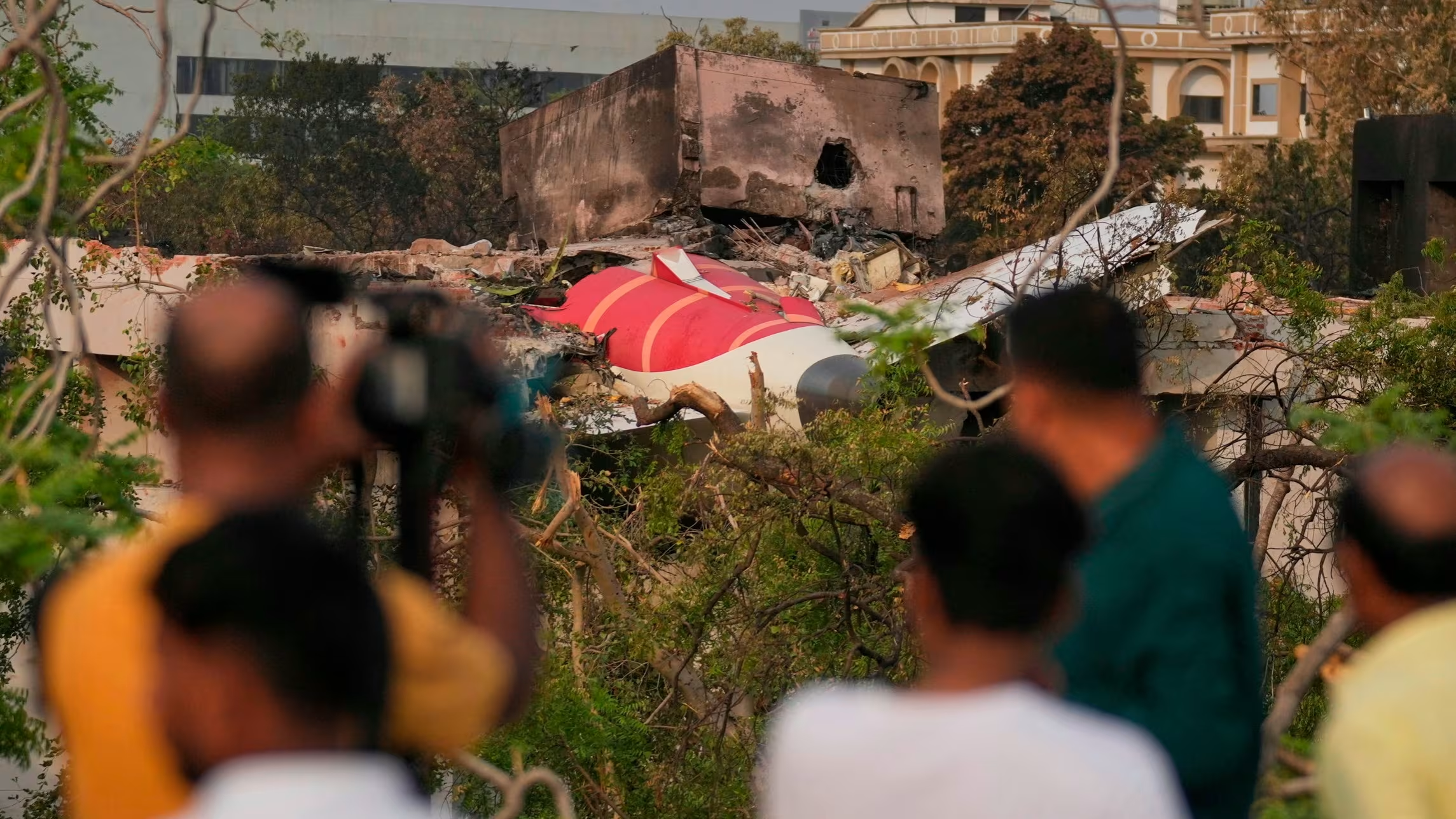
Families of victims from the June Air India Flight 171 crash, which killed 260 people, have filed a lawsuit in the US against Boeing and Honeywell, alleging negligence over faulty fuel switches that caused the crash, despite safety advisories and warnings. The lawsuit claims the companies knew of the risks but did nothing to prevent the accident.
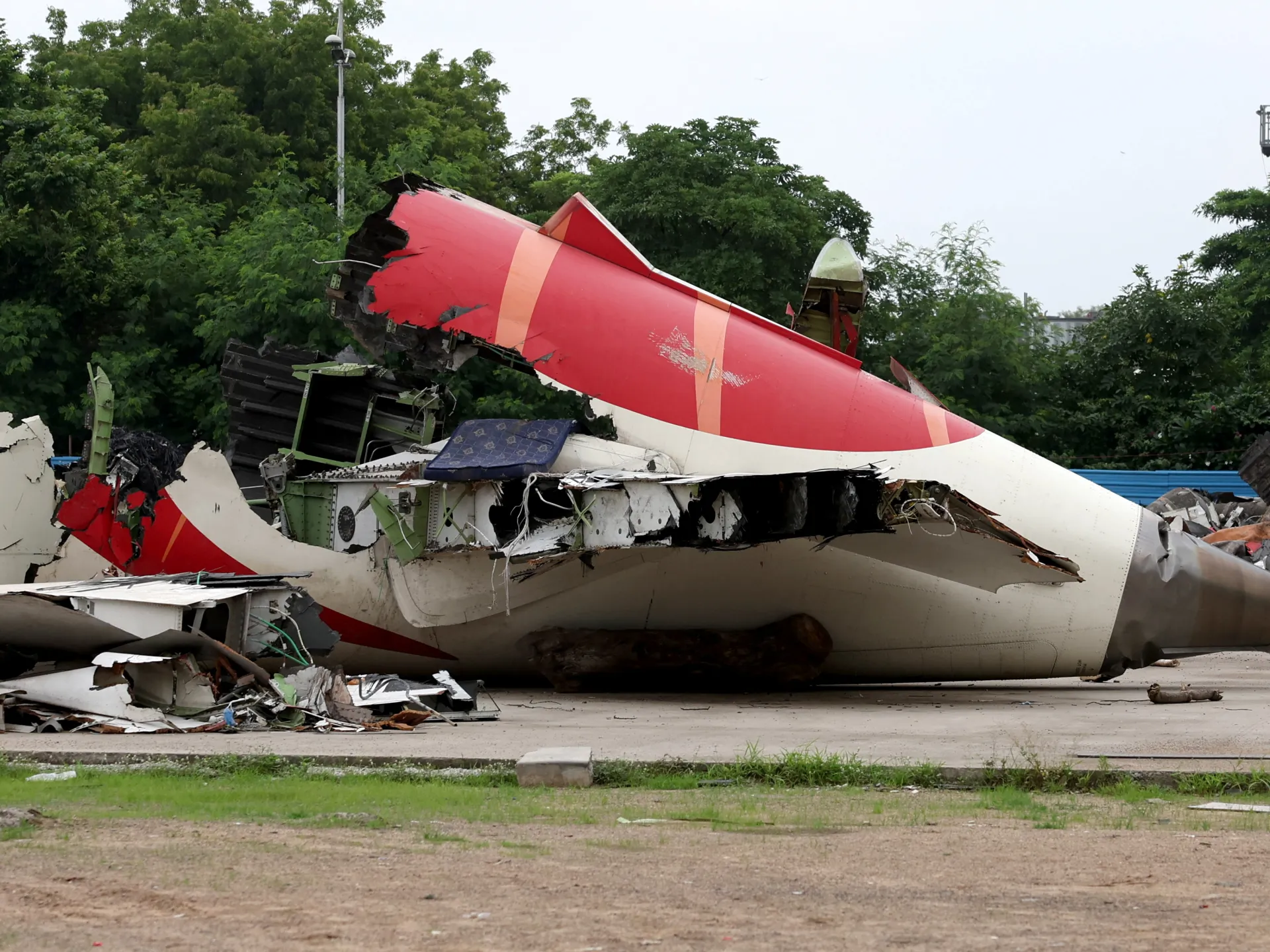
Families of victims in the June Air India Boeing 787 crash have filed a lawsuit against Boeing and Honeywell, alleging that faulty fuel switches caused the accident, despite official reports suggesting otherwise. The lawsuit seeks damages for the deaths of 229 passengers and crew, highlighting concerns over aircraft maintenance and safety practices.
Families of victims from the June 2025 Air India crash have sued Boeing and Honeywell, alleging faulty fuel cutoff switches contributed to the accident, despite FAA reports suggesting otherwise. The lawsuit, filed in Delaware, seeks damages for the deaths of 260 people, and highlights concerns over maintenance and safety protocols, with experts debating the switches' role in the crash.
Families of victims from the June Air India Flight 171 crash sued Boeing and Honeywell, alleging negligence over a faulty fuel cutoff switch that contributed to the crash, which killed 260 people. The lawsuit claims the switch's design and known risks were ignored, leading to the tragedy. Both companies have not commented, and the case is the first U.S. lawsuit related to the crash.
The son of a victim from the Air India crash alleges that wrong remains were sent to the UK, raising concerns about identification errors amid ongoing investigations and diplomatic efforts to address the issue.
The Air India crash on June 12, one of the deadliest recent aviation incidents with 260 casualties, was caused by a simultaneous fuel cut to both engines shortly after takeoff, according to a preliminary report, though many details remain unclear and speculation persists.
The Air India Flight AI171 crashed shortly after takeoff from Ahmedabad, killing 260 people, with investigations revealing the pilot, Sumeet Sabharwal, may have intentionally switched off the fuel, and a chilling farewell conversation with his security guard suggests possible mental health struggles linked to personal issues and recent family losses.
A cockpit recording suggests the Air India captain may have intentionally cut fuel to the engines before the June 12 crash in Ahmedabad, India, which resulted in 260 fatalities. The investigation is ongoing, with preliminary findings indicating no mechanical faults, and the cause is believed to involve pilot actions rather than technical issues.
A cockpit voice recording from Air India Flight 171 suggests the junior co-pilot questioned the captain about the fuel switches being off before the plane crashed, with investigations focusing on whether this was due to human error or system failure, amid ongoing inquiries into the cause of the June 12 disaster that killed 260 people.
The investigation into the June 12 Air India crash suggests that the captain may have intentionally cut off fuel to the engines shortly after takeoff, as indicated by cockpit voice recordings, raising questions about pilot actions and aircraft safety, with no mechanical faults found so far.
Regulators in India, South Korea, and Singapore are inspecting Boeing fuel control switches on their aircraft following a report on the Air India crash, which suggested the plane's fuel supply was cut off by human intervention, prompting safety reviews and highlighting concerns about switch locking mechanisms.
The preliminary investigation into the Air India Flight 171 crash raises questions about the role of fuel cut-off switches and pilot actions, but lacks conclusive evidence and detailed transcripts, leading to ongoing speculation and criticism over transparency and missing information.
India's civil aviation authority has ordered inspections of Boeing 737 and 787 fuel switches following a crash linked to fuel supply issues, with investigations exploring whether hardware failure or pilot error caused the incident, which resulted in 260 fatalities.
The June 12 Air India Boeing 787 crash in Ahmedabad, which killed 260 people, remains under investigation with initial findings revealing fuel supply issues and cockpit conversations that have sparked speculation about human error or mechanical faults. The investigation is ongoing, with experts emphasizing the importance of evidence-based conclusions and cautioning against premature blame on pilots or systemic failures. The final report is expected in about a year, aiming to uncover the true cause of the disaster.
The investigation report into the Air India crash remains unclear and raises further questions about the safety and ownership issues involving Tata, the airline's owner, leaving the situation uncertain.