
Roman Medicine Revealed: Feces and Thyme Found in 1,900-Year-Old Vial
TL;DR Summary
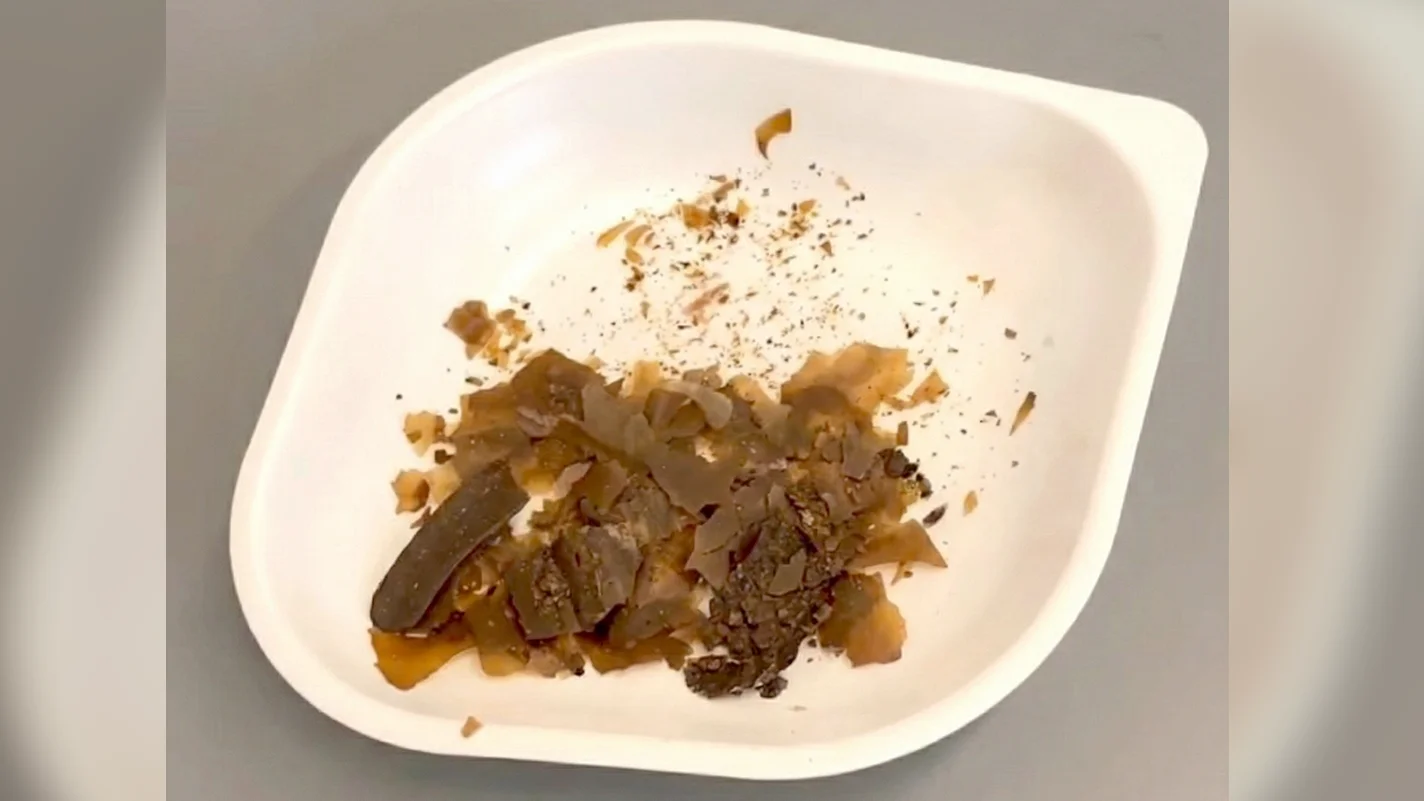
A chemical analysis of residues inside a 1,900-year-old Roman glass vial from Pergamon found biomarkers of human feces (coprostanol) and thyme-derived carvacrol, providing the first direct evidence that Greco-Roman medicine used fecal material and masked its odor with aromatic herbs. The study suggests the preparation was likely used to treat inflammation or infection and aligns with Galen’s historical descriptions; the fecal source appears to be human based on compound ratios, offering new insight into ancient therapeutic practices.
- Romans used human feces as medicine 1,900 years ago — and used thyme to mask the smell Live Science
- 1,900-year-old Roman unguentarium shows human feces used as medicine with thyme to mask smell Archaeology News Online Magazine
- Romans used poop to treat infections and inflammation, new study indicates: 'Dark brown flakes' discovered in medicinal vial New York Post
- Roman “Feces Medicine” in Pergamon Confirmed by Chemistry Ancient Origins
- Ancient Romans used human feces to make medicines C&EN
Reading Insights
Total Reads
1
Unique Readers
7
Time Saved
84 min
vs 85 min read
Condensed
100%
16,925 → 77 words
Want the full story? Read the original article
Read on Live Science