
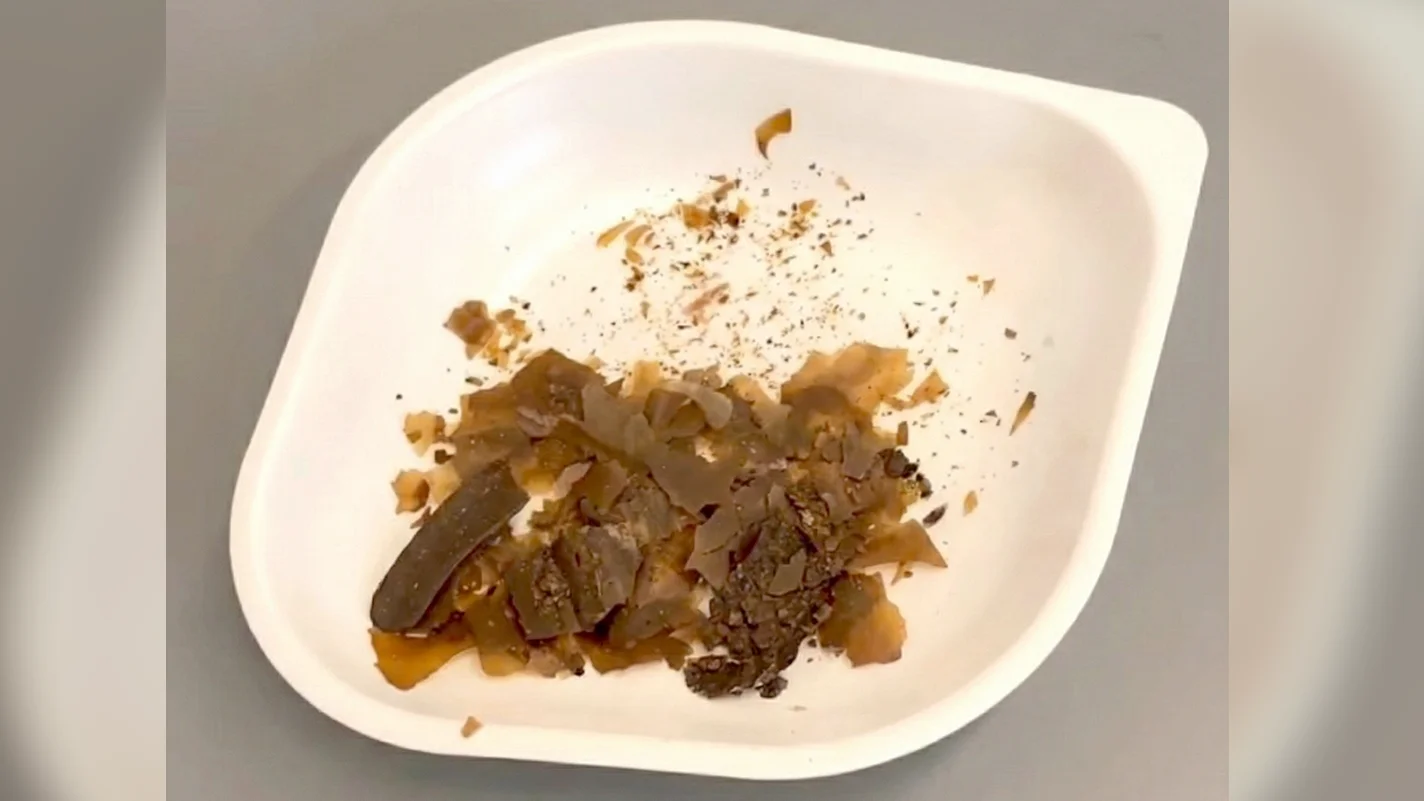
Roman Medicine Revealed: Feces and Thyme Found in 1,900-Year-Old Vial
A chemical analysis of residues inside a 1,900-year-old Roman glass vial from Pergamon found biomarkers of human feces (coprostanol) and thyme-derived carvacrol, providing the first direct evidence that Greco-Roman medicine used fecal material and masked its odor with aromatic herbs. The study suggests the preparation was likely used to treat inflammation or infection and aligns with Galen’s historical descriptions; the fecal source appears to be human based on compound ratios, offering new insight into ancient therapeutic practices.