
New exoplanet L 98-59 d unveils sulfurous magma oceans
TL;DR Summary
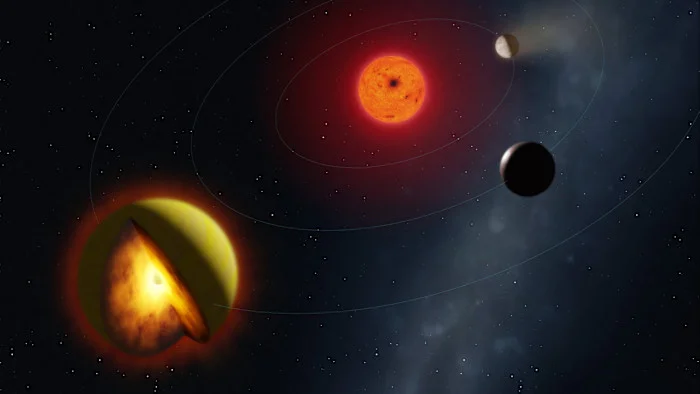
Scientists using the James Webb Space Telescope and ground facilities have identified L 98-59 d as a new exoplanet with a sulfur-rich atmosphere and a semi-molten magma-ocean interior, a world that is unusually low in density for its size and unlike previously known rocky or watery planets. The study, published in Nature Astronomy, suggests a broader diversity of planet types and raises questions about other exotic, pungent planets, though the conditions are unlikely to support Earth-like life.
- Hellish new planet identified beyond solar system Financial Times
- Volatile-rich evolution of molten super-Earth L 98-59 d Nature
- Astronomers discover what may be a new type of planet Yahoo
- ‘A molten, mushy state’: scientists may have found a new type of liquid planet | Astronomy The Guardian
- Molten alien planet with sulfur-choked atmosphere displays unique hellscape Reuters
Reading Insights
Total Reads
0
Unique Readers
1
Time Saved
4 min
vs 5 min read
Condensed
91%
842 → 77 words
Want the full story? Read the original article
Read on Financial Times