
NASA Concludes Yearlong Mars Habitat Simulation with CHAPEA Crew
TL;DR Summary
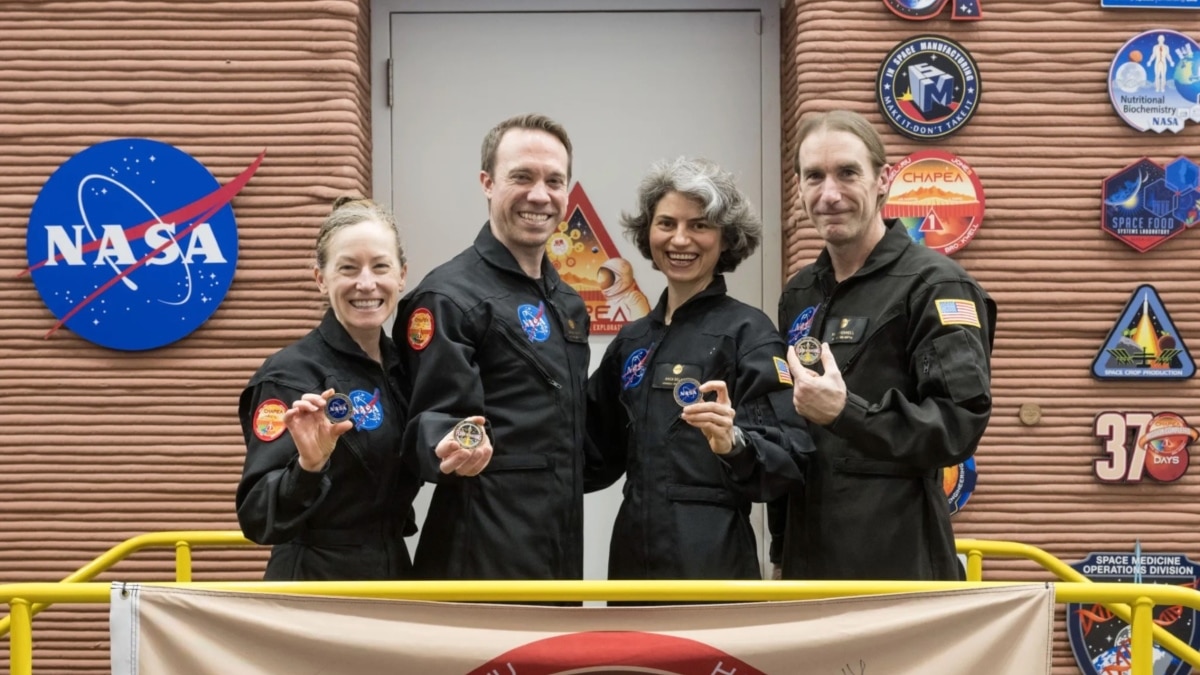
Four scientists concluded a 378-day mission in a simulated Mars habitat at NASA's Johnson Space Center, aimed at understanding the effects of living on another planet on human health and performance. The experiment, part of NASA's Crew Health and Performance Exploration Analog (CHAPEA) program, involved various activities including robotic operations, physical exercise, and simulated "marswalks." The mission is a step towards NASA's goal of sending humans to Mars under its Artemis program.
- NASA Researchers End One-year Mars Habitat Mission VOA Learning English
- Voyagers of Mars: The First CHAPEA Crew’s Yearlong Journey NASA
- NASA hopes to send astronauts to Mars in the 2030s; here's how they will get there ABC News
- Life on Mars: Lessons From NASA’s 378-Day CHAPEA Experiment SciTechDaily
- NASA’s CHAPEA project: Why 4 people spent a year in an airlocked space simulating Mars The Indian Express
Reading Insights
Total Reads
0
Unique Readers
3
Time Saved
4 min
vs 5 min read
Condensed
92%
848 → 72 words
Want the full story? Read the original article
Read on VOA Learning English