
Webb sharpens its view of a black hole's dusty feeding disk
TL;DR Summary
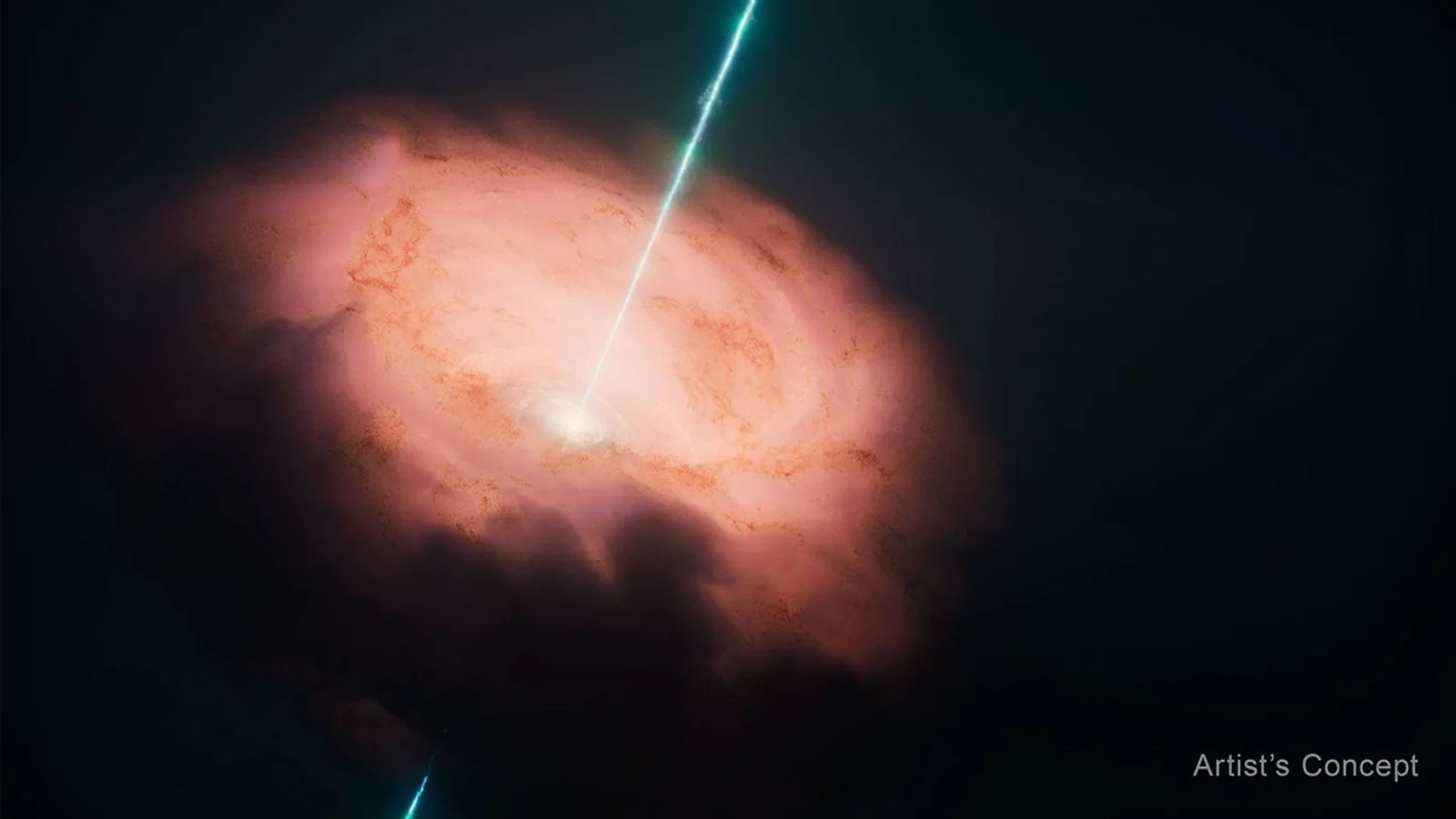
JWST’s high-contrast observations of the Circinus galaxy reveal the clearest view yet of the dusty torus feeding its central supermassive black hole. About 87% of the infrared emission comes from the inner disk near the hole, less than 1% from the outflow known as the North Arc, and ~12% from dust farther out. The findings, based on two 2024–2025 Webb observations using a seven‑aperture setup, provide an effective resolution like a 13‑meter telescope and challenge decades of outflow‑driven infrared models, confirming the torus as the primary fuel reservoir for black hole growth. The study was published Jan. 13 in Nature Communications.
Topics:science#black-hole#circinus-galaxy#dusty-torus#infrared-astronomy#james-webb-space-telescope#space
- This is the sharpest view ever seen of a black hole's dusty disk Space
- NASA’s Webb Delivers Unprecedented Look Into Heart of Circinus Galaxy NASA Science (.gov)
- James Webb telescope reveals sharpest-ever look at the edge of a black hole — and it could solve a major galactic mystery Live Science
- JWST interferometric imaging reveals the dusty torus obscuring the supermassive black hole of Circinus galaxy Nature
- NASA's James Webb Space Telescope uncovers black hole secret USA Today
Reading Insights
Total Reads
0
Unique Readers
4
Time Saved
75 min
vs 76 min read
Condensed
99%
15,071 → 101 words
Want the full story? Read the original article
Read on Space