
Unraveling the Enigma of Shrinking Exoplanets: Insights from Kepler and Retired NASA Telescope
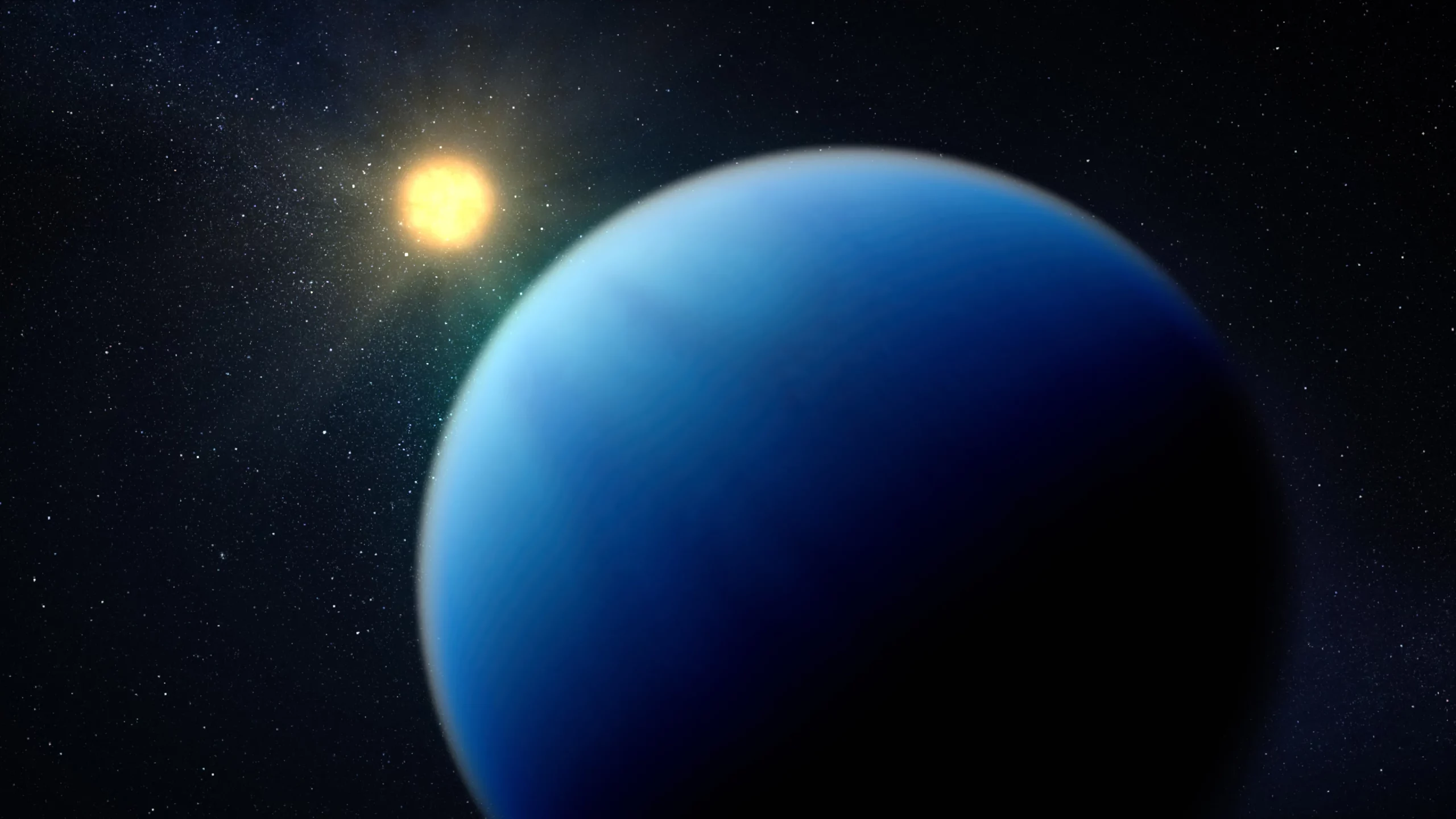
Data from NASA's Kepler Space Telescope suggests that the absence of exoplanets between 1.5 and two times the size of Earth may be due to core-powered mass loss. Scientists have found evidence that the cores of sub-Neptune exoplanets push away their atmospheres from the inside out, causing the exoplanets to shrink. This phenomenon occurs when radiation emitted by the planet's hot core interacts with the atmosphere, causing it to fade away slowly. The study used data from the Kepler Space Telescope's extended mission, K2, and found that core-powered mass loss is the leading explanation for atmospheric loss in sub-Neptunes. Further research is needed to fully understand this process.
- Data from Kepler reveals reason behind shrinking exoplanets - NASASpaceFlight.com NASASpaceflight.com
- Exoplanet Mystery Finally Explained? Giant Freakin Robot
- Retired NASA Telescope Reveals Clues to the Elusive 'Size Gap' in Exoplanets Gizmodo Australia
- View Full Coverage on Google News
Reading Insights
0
6
4 min
vs 5 min read
88%
922 → 108 words
Want the full story? Read the original article
Read on NASASpaceflight.com