
Neon Discovery in Young Star System Sheds Light on Planet Formation
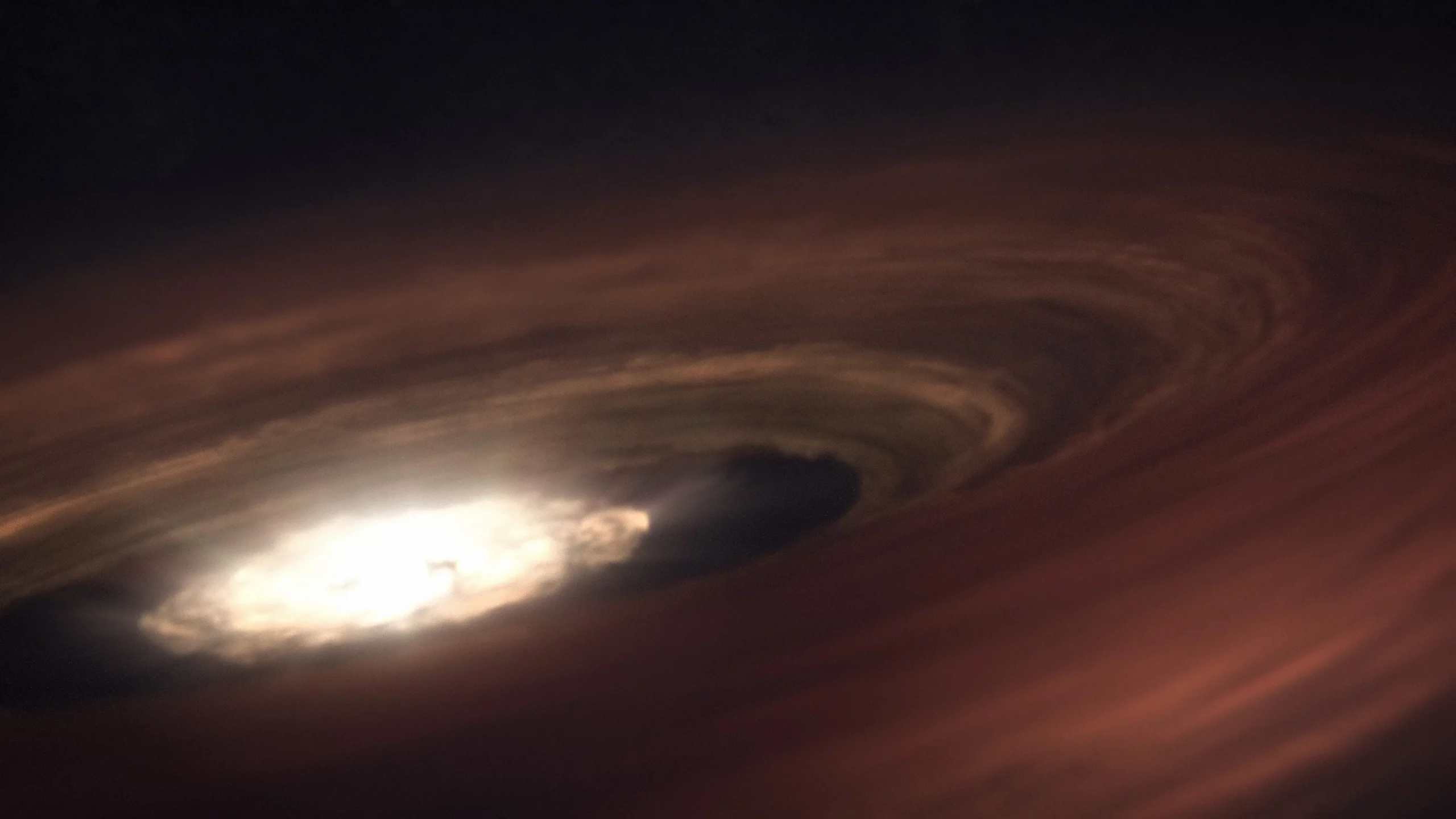
The James Webb Space Telescope has confirmed the presence of neon in the protoplanetary disk of the young star system SZ Chamaeleontis (SZ Cha), providing insight into planet formation. The observations, coupled with data from NASA's Spitzer telescope in 2008, reveal a change in high-energy radiation within the disk, which is predicted to cause the disk to evaporate and limit the time for planet formation. The detection of neon III, a rare neon reading, suggests that ultraviolet light, rather than X-rays, is responsible for the high-energy radiation. The disappearance of neon III from the disk is attributed to the dominance of X-ray radiation. Further observations are planned to understand the variability and true nature of young planetary systems.
Reading Insights
0
0
5 min
vs 6 min read
88%
1,022 → 118 words
Want the full story? Read the original article
Read on NASASpaceflight.com