
"NASA's Webb Telescope Uncovers Exoplanet with Sand Clouds and Sulfuric Skies"
TL;DR Summary
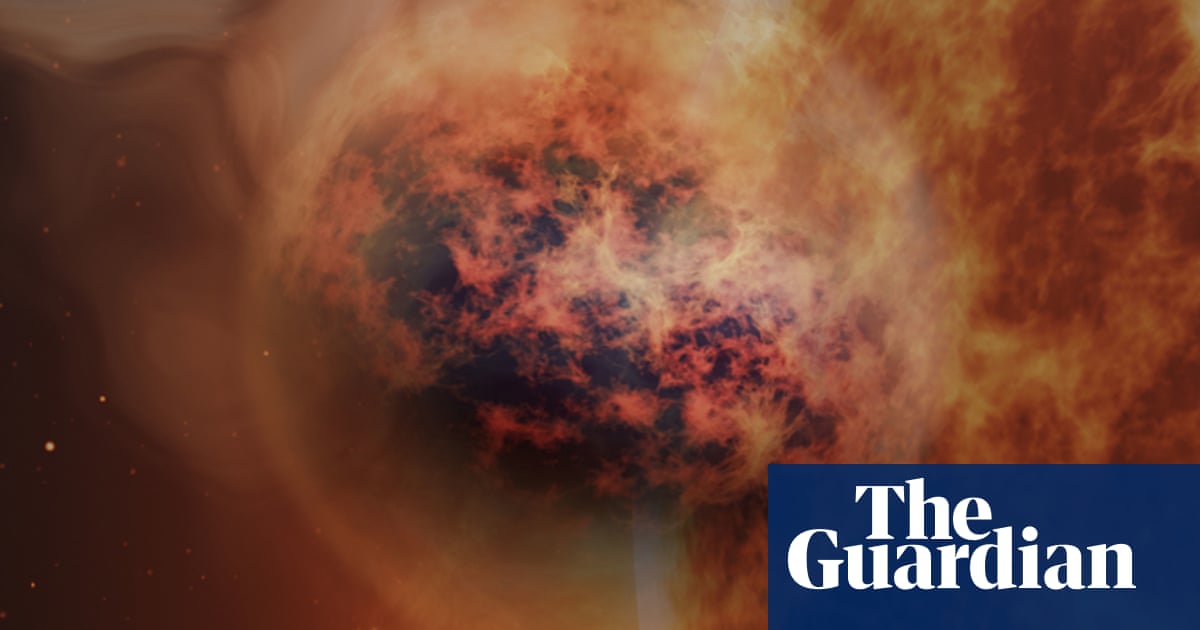
NASA's James Webb space telescope has made groundbreaking observations of an exoplanet called Wasp-107b, located 200 light years away, revealing a planet where it rains silicate sand. The planet, nicknamed the "candy floss" planet, features scorching temperatures, raging winds, and the smell of burnt matches due to the presence of sulphur dioxide. The latest observations also identified water vapor and silicate sand clouds in the planet's atmosphere. Wasp-107b, similar in mass to Neptune but the size of Jupiter, provides valuable insights into the atmospheres of distant planets and expands our understanding of the potential diversity of life beyond Earth.
- Planet where it rains sand revealed by Nasa telescope The Guardian
- Webb Telescope Spots World With Sand Clouds and Sulfuric Skies Gizmodo
- JWST detects water vapor, sulfur dioxide and sand clouds in the atmosphere of a nearby exoplanet Phys.org
- James Webb Space Telescope reveals sandy surprise in distant planet Space.com
- View Full Coverage on Google News
Reading Insights
Total Reads
0
Unique Readers
6
Time Saved
3 min
vs 4 min read
Condensed
84%
618 → 99 words
Want the full story? Read the original article
Read on The Guardian