
"NASA's Mission: Detecting Alien Life with a Single Ice Grain"
TL;DR Summary
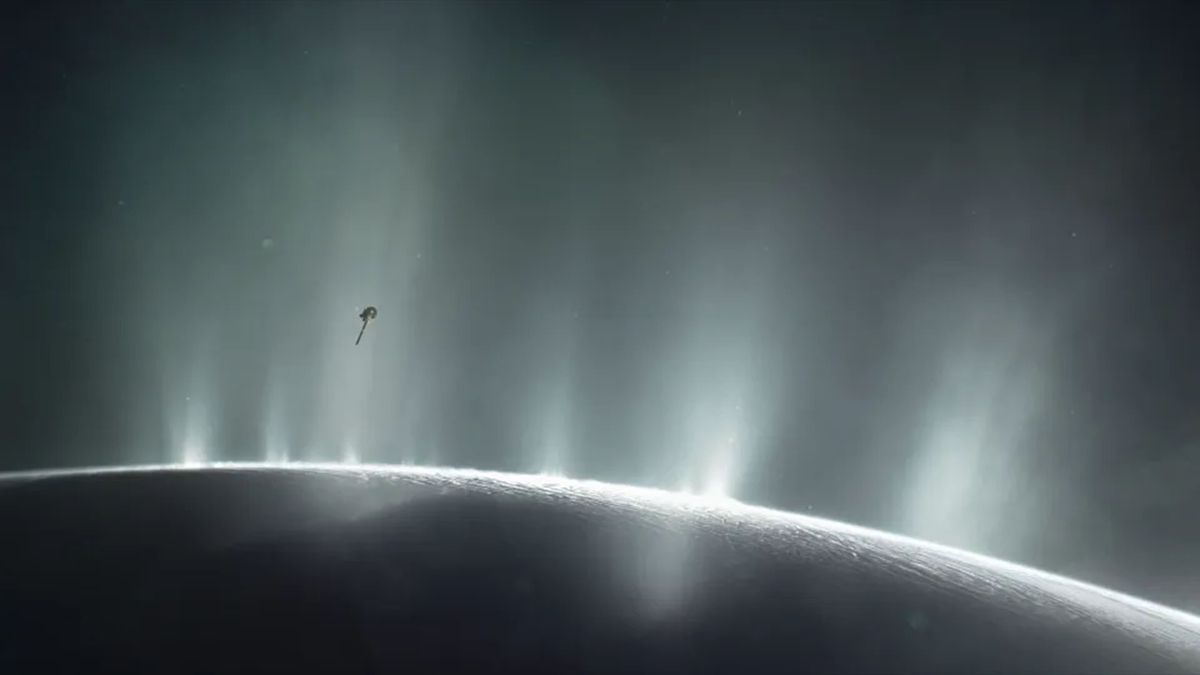
Lab experiments show that spacecraft instruments can detect signs of alien life in ice grains spewed by moons like Enceladus and Europa. By flying through ice plumes and analyzing the particles, scientists can identify bacterial cells and organic molecules that may indicate the presence of life-friendly molecules in subsurface oceans. Instruments on upcoming missions like Europa Clipper could potentially detect traces of life in icy moons, making it easier than previously thought to find signs of life in our solar system.
- NASA only needs a single grain of ice to detect alien life in our solar system, study shows Livescience.com
- Signs of life detectable in single ice grain emitted from extraterrestrial moons, experimental setup shows Phys.org
- NASA's mission to Europa isn't meant to find alien life - but it could New Scientist
- NASA's New Mission To Icy Moon Will Detect Any Life, Say Scientists Forbes
- NASA mission could detect alien life from a single cell as early as 2030 New Atlas
Reading Insights
Total Reads
0
Unique Readers
1
Time Saved
4 min
vs 5 min read
Condensed
91%
866 → 81 words
Want the full story? Read the original article
Read on Livescience.com