
Unveiling the AI Algorithms Revolutionizing Cell Search
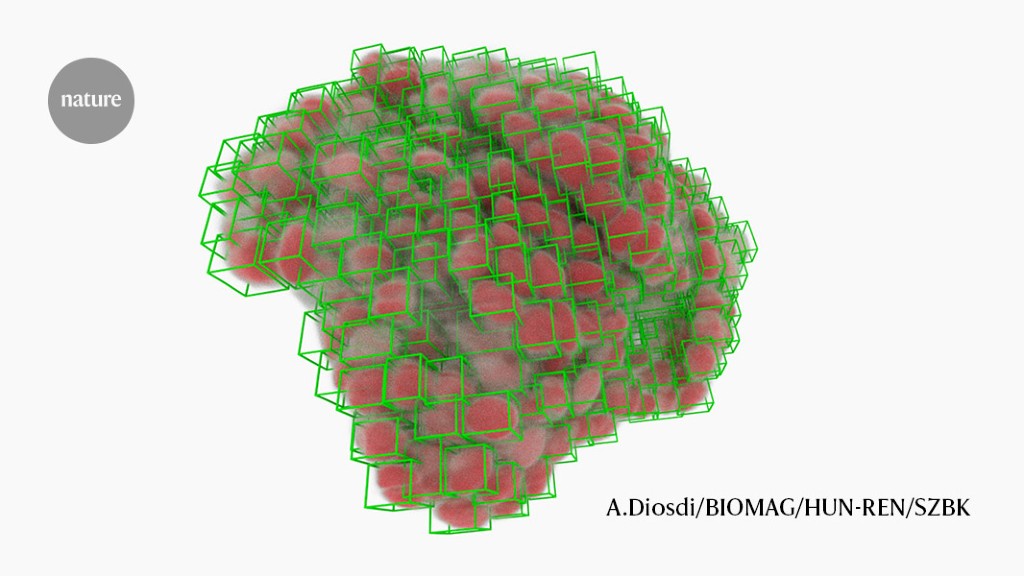
Computational biologists are harnessing the power of deep learning algorithms to improve the segmentation of cellular and subcellular features in biological imaging experiments. Algorithms such as U-Net have been transformative in identifying cell nuclei, while other approaches like StarDist and CellPose aim for a more holistic strategy by segmenting the entire cell. Training these algorithms requires large and diverse annotated datasets, and researchers are exploring strategies such as bulk annotation and human-in-the-loop approaches to streamline the process. While challenges remain, such as interoperability across imaging platforms and the analysis of 3D volumes, the field is making rapid progress and researchers are already exploring more advanced applications of these tools.
Reading Insights
0
7
12 min
vs 13 min read
96%
2,520 → 109 words
Want the full story? Read the original article
Read on Nature.com