
The Neurological Effects of Extended Space Missions: Brain Plasticity and Psychological Resilience
TL;DR Summary
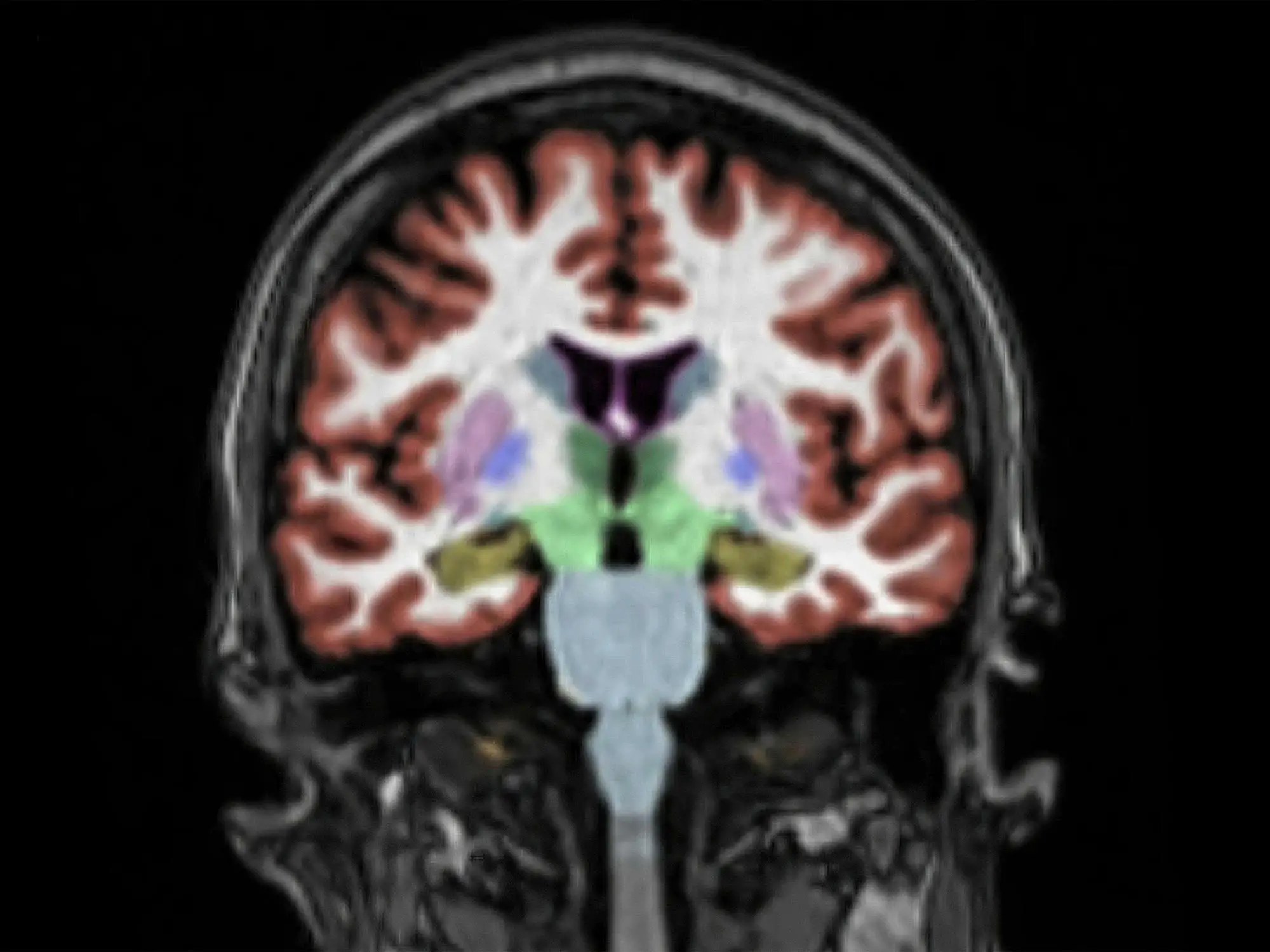
New research reveals that long-duration space travel leads to significant expansion of brain ventricles in astronauts, requiring approximately three years for full recovery. The study analyzed brain scans from 30 astronauts and found that ventricular enlargement is the most enduring change resulting from spaceflight. The expansion of ventricles is caused by fluid shifts due to the absence of gravity. The findings could impact future mission planning and the timing of repeated space travel, suggesting that astronauts should wait three years after longer missions for their brains to fully recover.
Topics:science#astronauts#brain-changes#recovery-time#science-and-technology#space-travel#ventricles
- Space Travel's Hidden Impact: Long Missions Trigger Significant Changes in Astronauts' Brains SciTechDaily
- Methods for assessing change in brain plasticity at night and psychological resilience during daytime between repeated long-duration space missions | Scientific Reports Nature.com
- View Full Coverage on Google News
Reading Insights
Total Reads
0
Unique Readers
1
Time Saved
3 min
vs 4 min read
Condensed
86%
617 → 89 words
Want the full story? Read the original article
Read on SciTechDaily