
Jellyfish Study Challenges Understanding of Brain Function
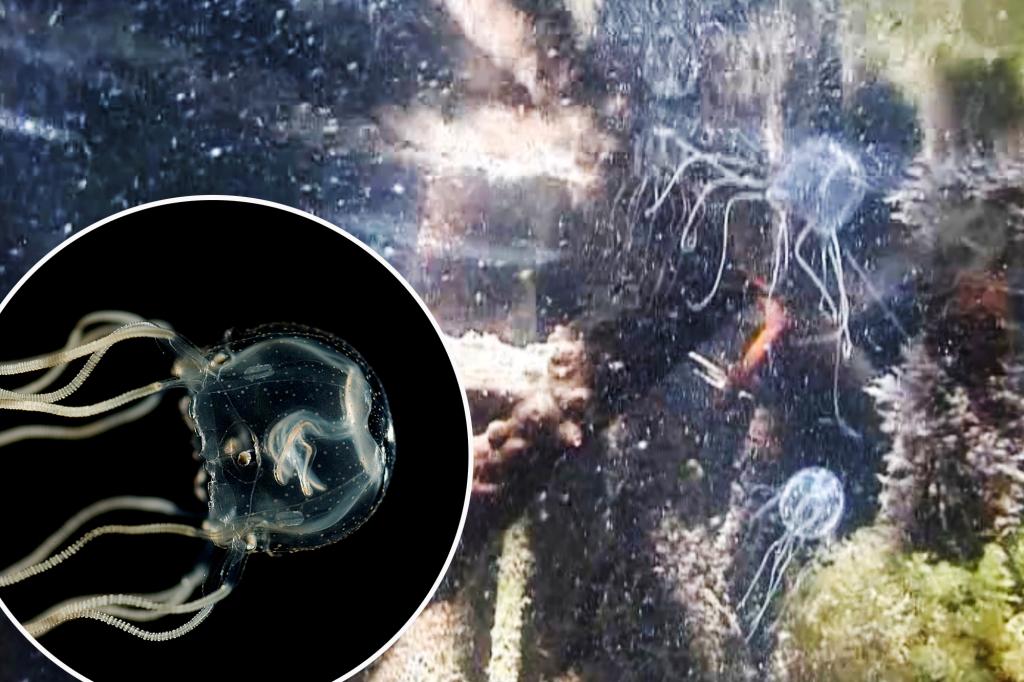
A new study from the University of Copenhagen suggests that jellyfish, specifically the poisonous Caribbean box jellyfish, have a much more advanced ability to learn than previously thought, despite having only 1,000 nerve cells and no centralized brain. The research challenges the prevailing scientific opinion that more advanced nervous systems equate to higher learning potential. The findings could provide insights into human cognitive functions and the process of dementia. The study also offers opportunities to study the precise changes that occur in nerve cells during advanced learning, potentially leading to a better understanding of memory and the development of treatments for dementia.
- New jellyfish study could change the way we view our own brains New York Post
- Brainless Jellyfish Are Capable of Learning, Study Suggests Smithsonian Magazine
- Scientists Confused Over Animal Without A Brain Capable Of Learning Giant Freakin Robot
- Scientists Discover Jellyfish Can Learn Without a Brain ExtremeTech
- Jellyfish are not the 'simple creatures' once thought: New study may change an understanding of our own brains Fox News
Reading Insights
0
1
4 min
vs 5 min read
89%
903 → 102 words
Want the full story? Read the original article
Read on New York Post