
Bio-based Fibers: An Unexpected Environmental Threat
TL;DR Summary
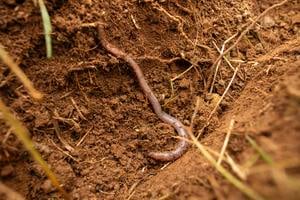
A study published in Environmental Science and Technology reveals that bio-based fibers like viscose and lyocell may pose greater environmental risks than conventional polyester, particularly to earthworms, which are vital for soil health. The research found higher mortality and adverse effects on earthworm reproduction and growth when exposed to these bio-based fibers. This highlights the need for thorough environmental testing of new materials before they are widely adopted as alternatives to plastics. The study is part of the BIO-PLASTIC-RISK project, emphasizing the complexity of addressing microplastic pollution.
Topics:science#bio-based-fibers#earthworms#environment#environmental-impact#microplastics#sustainability
- Bio-based fibers could pose greater threat to the environment than conventional plastics EurekAlert
- Are Biobased Microfibers Less Harmful than Conventional Plastic Microfibers: Evidence from Earthworms ACS Publications
- Natural fibres in wet wipes may actually be worse for soil and animals New Scientist
- Study identifies adverse impact of bio-based materials on earthworms The Engineer
- Study Reveals Unexpected Environmental Risks of ‘Eco-Friendly’ Bio-based Fibers ScienceBlog.com
Reading Insights
Total Reads
0
Unique Readers
10
Time Saved
3 min
vs 4 min read
Condensed
88%
737 → 87 words
Want the full story? Read the original article
Read on EurekAlert