
Unveiling the Carbon Dioxide Origins in Aleutian-Alaska Arc Volcanoes
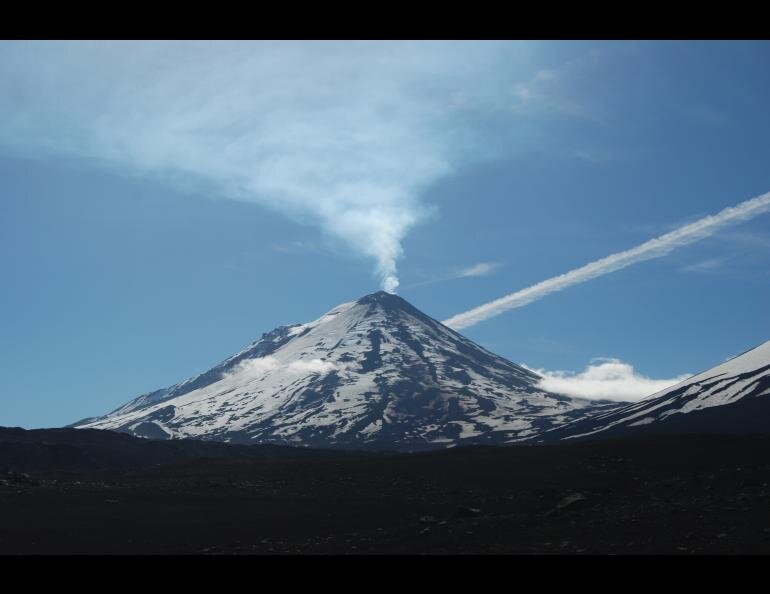
A new study led by scientists from the University of Alaska Fairbanks has found that volcanoes in the Aleutian-Alaska Arc release more subducted slab carbon as carbon dioxide into the atmosphere than previously believed. The research focused on tracking the carbon cycle in the Aleutian-Alaska Arc, which has fewer carbon sources compared to other volcanic arcs. The study revealed that approximately 43% to 61% of sediment-derived organic carbon and 6% to 9% of inorganic carbon from the subducted slab crust are returned to the atmosphere through volcanic degassing. These findings contribute to a better understanding of the fate of subducted carbon and can improve climate models.
Reading Insights
0
1
4 min
vs 5 min read
88%
861 → 106 words
Want the full story? Read the original article
Read on Phys.org