
Australia's transformation from lush to dust revealed by Nullarbor rocks.
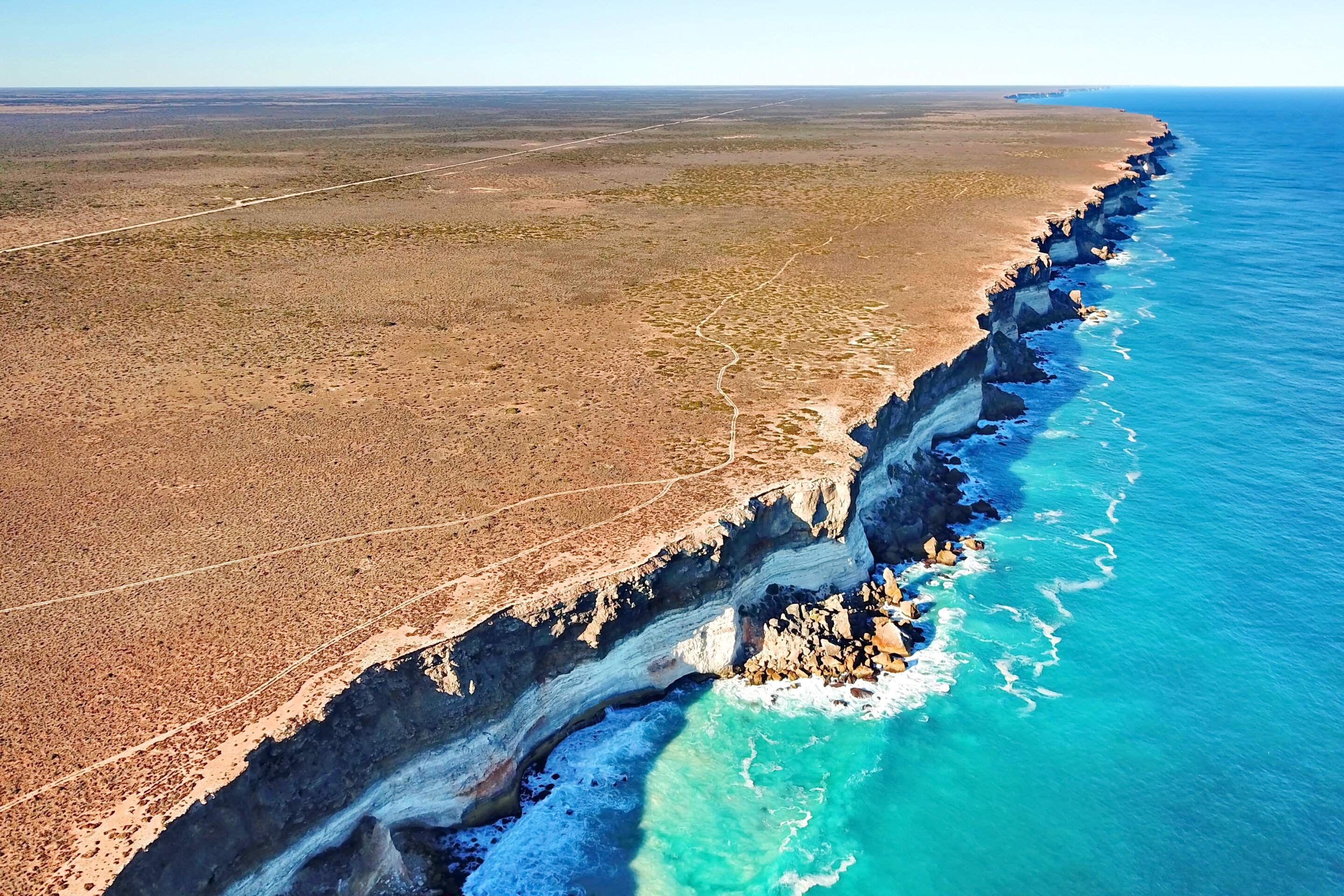
Researchers from Curtin University have used iron-rich layers in ancient sediments to determine that the Nullarbor plain in Australia shifted to dry conditions between 2.4 and 2.7 million years ago due to changes in climate, shedding light on how ancient climate change altered some of the driest regions of our planet. The study provides a clearer timeframe for the evolution of several native species and explains how the drying of Australia's interior separated the common ancestors of many species that once roamed freely across Australia, leading to the independent evolution of these isolated populations on the east and west coasts, eventually resulting in distinct species or sister species.
Reading Insights
0
8
2 min
vs 3 min read
79%
526 → 108 words
Want the full story? Read the original article
Read on Phys.org