
Microbes in Ancient Lake Triggered Ice Age Global Warming
TL;DR Summary
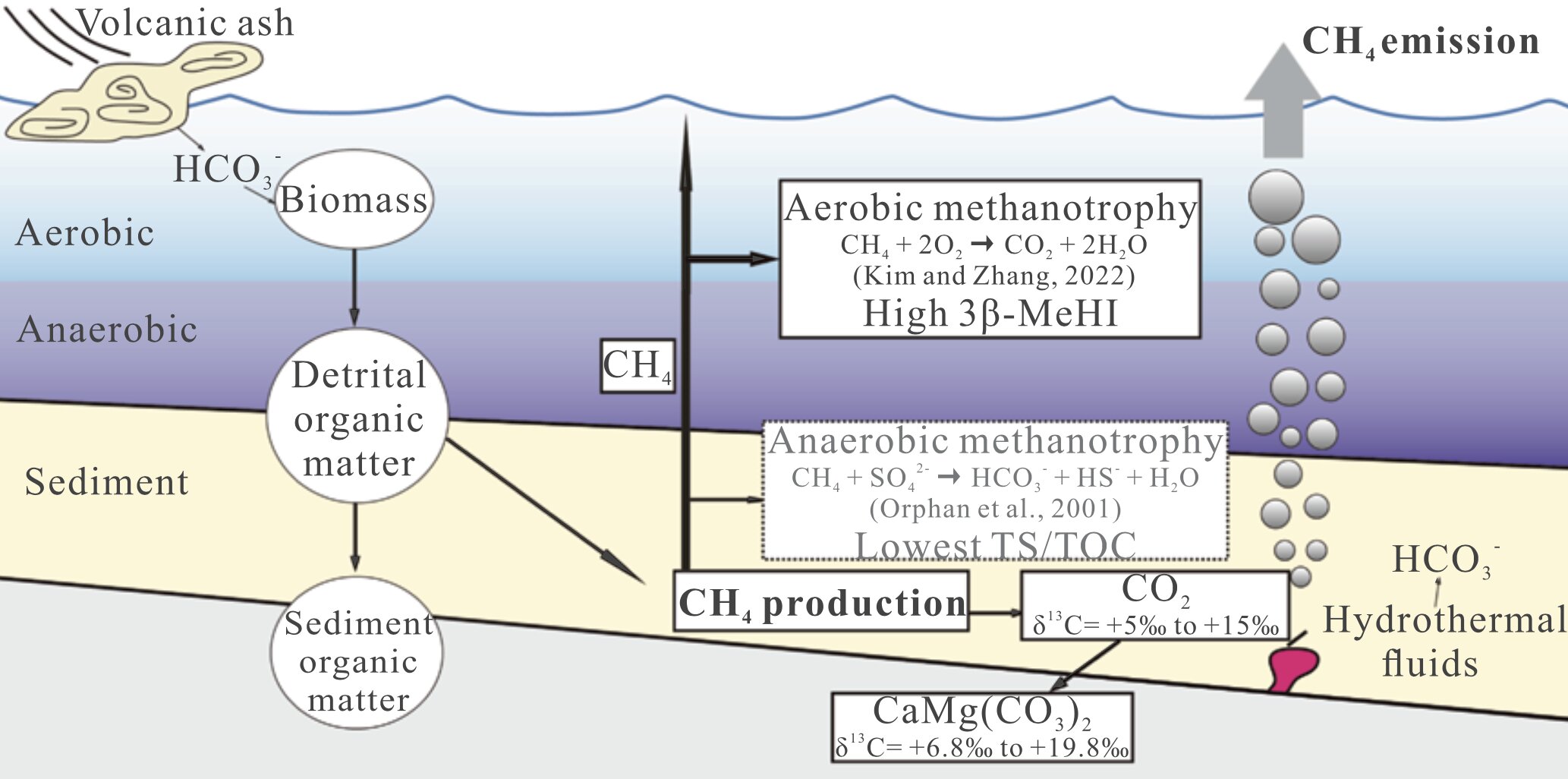
Ancient alkaline lakes during the Late Paleozoic Ice Age released large amounts of methane into the atmosphere, contributing to global warming. Methane-producing microorganisms thrived in low sulfate anoxic conditions, converting carbon dioxide into methane. The researchers estimate that methane emissions from microbial activity alone could have reached 2.1 gigatons, with the combined contribution from alkaline lakes globally potentially reaching 109 gigatonnes. This highlights the importance of monitoring alkaline lakes' emissions and finding solutions to reduce methane production, although the solutions may have their own environmental consequences.
Topics:science#alkaline-lakes#climate-change#global-warming#late-paleozoic-ice-age#methane-emissions#microbial-activity
Reading Insights
Total Reads
0
Unique Readers
1
Time Saved
3 min
vs 4 min read
Condensed
87%
685 → 86 words
Want the full story? Read the original article
Read on Phys.org