
"Doomsday Glacier's Rapid Ice Melt Could Drastically Alter Sea Level Projections"
TL;DR Summary
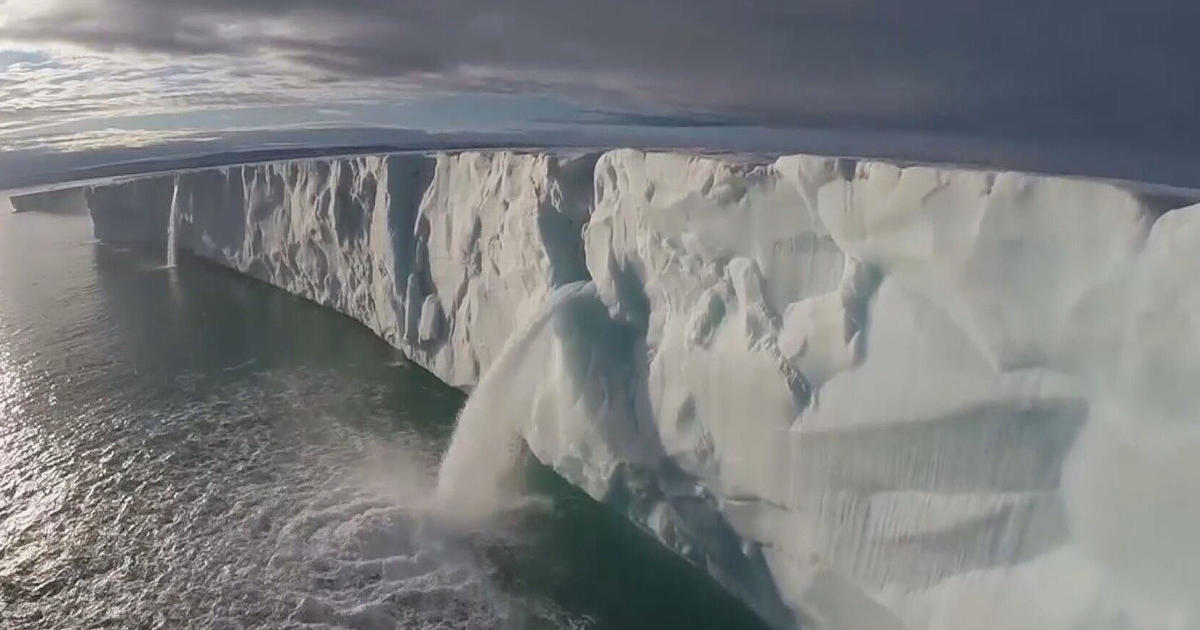
The "doomsday glacier," Thwaites Glacier in West Antarctica, is experiencing vigorous ice melt due to warm, high-pressure ocean water seeping beneath it, making it more vulnerable to melting than previously thought. If it were to collapse, it could cause global sea levels to rise by more than two feet. As global temperatures warm, ocean currents are pushing warmer water to Antarctica's shores, leading to a vigorous melt. Scientists hope the new information will improve sea level rise predictions and help people adapt to changing ocean levels while emphasizing the importance of reducing carbon emissions.
- The doomsday glacier is undergoing "vigorous ice melt" that could reshape sea level rise projections CBS News
- New research on Antarctica's Thwaites Glacier could reshape sea-level rise predictions NPR
- This 'doomsday' glacier is more vulnerable than scientists once thought The Washington Post
- Ocean Water Rushing Under 'Doomsday Glacier' Spells Trouble - Videos from The Weather Channel The Weather Channel
- Antarctica's 'Doomsday Glacier' Is More Vulnerable to Melting Than Previously Thought. Here's Why it Matters U.S. News & World Report
Reading Insights
Total Reads
0
Unique Readers
0
Time Saved
2 min
vs 3 min read
Condensed
82%
513 → 94 words
Want the full story? Read the original article
Read on CBS News