
Resurrected Dead Star Shocks Astronomers with Supernova-like Flares
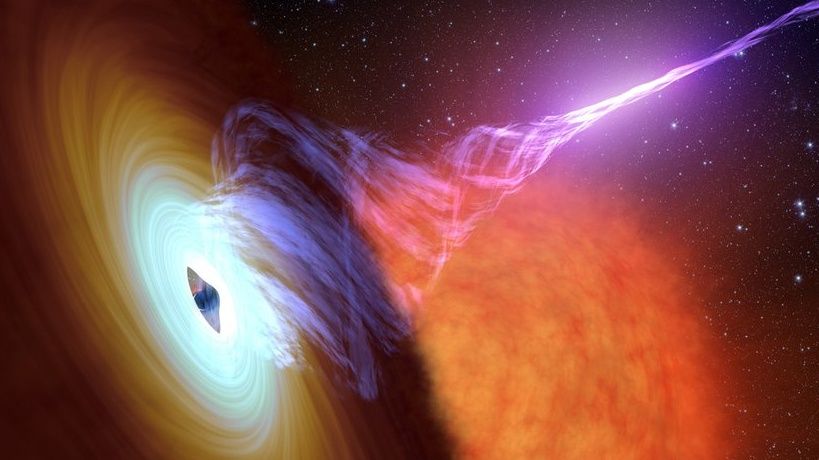
Astronomers have observed a distant star, officially designated AT2022tsd and nicknamed "the Tasmanian devil," that has come back to life after its explosive death. This rare type of stellar cataclysm, called a luminous fast blue optical transient (LFBOT), has been emitting repeated energetic flares that are brighter and fade more rapidly than usual. The behavior suggests that the engine driving LFBOTs could be a black hole or a neutron star. The discovery settles years of debate about the power source of LFBOTs and offers a new method of studying the activity of stellar corpses. Further research will investigate the processes behind these bursts of light and their implications for understanding how stars die and the remnants they leave behind.
- This dead star is bursting back to life Space.com
- Zombie Star Flashes Bright As A Supernova In Never-Before-Seen Return From The Dead IFLScience
- Mysterious 'Tasmanian devil' space explosion baffles astronomers Nature.com
- Distant dead star shows ‘signs of life’ and sends out repeated flares, scientists say The Independent
- Minutes-duration optical flares with supernova luminosities Nature.com
- View Full Coverage on Google News
Reading Insights
0
5
3 min
vs 4 min read
83%
683 → 119 words
Want the full story? Read the original article
Read on Space.com