
New study reveals surprising insights about early stars.
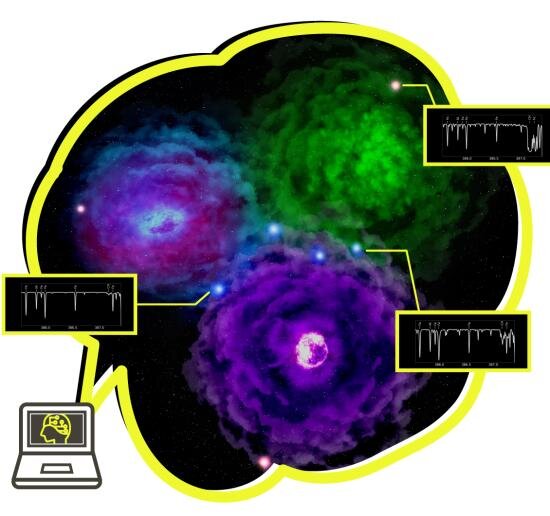
Researchers have used machine learning and supernova nucleosynthesis to find that the majority of observed second-generation stars in the universe were enriched by multiple supernovae. The team analyzed elemental abundances in more than 450 extremely metal-poor stars observed to date and found that 68% of them have a chemical fingerprint consistent with enrichment by multiple previous supernovae. This suggests that most first stars formed in small clusters or multiple star systems, rather than as isolated single stars. The new algorithm invented in this study opens the door to make the most of diverse chemical fingerprints in metal-poor stars discovered by the Prime Focus Spectrograph.
Reading Insights
0
4
4 min
vs 5 min read
87%
828 → 104 words
Want the full story? Read the original article
Read on Phys.org