
"James Webb Telescope Discovers Enigmatic 'Extremely Red' Supermassive Black Hole"
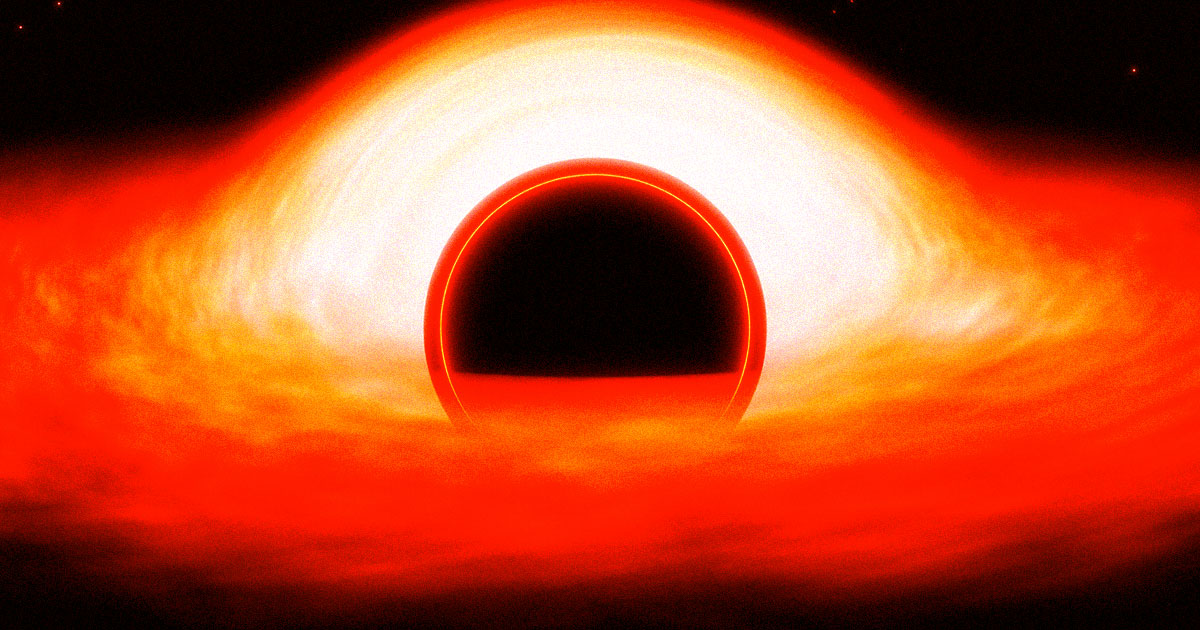
TL;DR Summary
NASA's James Webb Space Telescope has discovered an "extremely red" supermassive black hole in one of the oldest parts of the universe, suggesting it formed just 700 million years after the Big Bang. This rare find challenges current understanding of how supermassive black holes grow relative to their host galaxies and raises questions about the relationship between the two. The black hole was spotted in the central core of Pandora's Cluster, 4 billion light-years from Earth, and its massive size and unique properties have astronomers rethinking early black hole formation and growth.
- James Webb Spots "Extremely Red" Black Hole Futurism
- James Webb Space Telescope finds 'extremely red' supermassive black hole growing in the early universe Space.com
- Astronomers detect an extremely red supermassive black hole in the early universe growing in the shadows Phys.org
- Red Shrouded Supermassive Black Hole Is Also Too Big For Its Galaxy IFLScience
- Supermassive Black Hole Challenges Cosmic Theories – “The Spectra Were Just Mind-Blowing” SciTechDaily
Reading Insights
Total Reads
0
Unique Readers
5
Time Saved
2 min
vs 3 min read
Condensed
80%
471 → 92 words
Want the full story? Read the original article
Read on Futurism