
Parasites spark a two-step gut–brain chat between epithelial cells to curb appetite
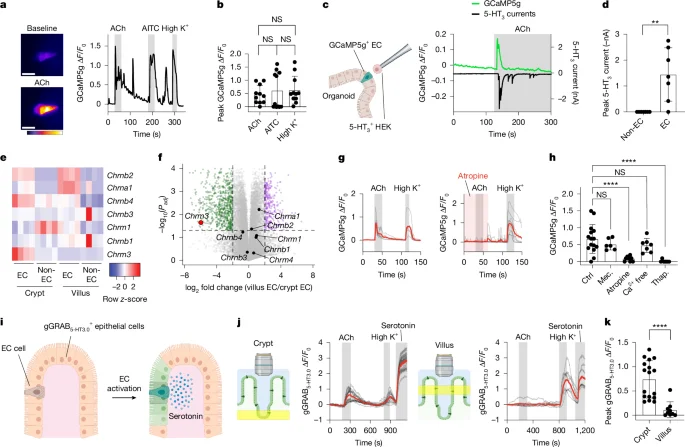
New research reveals a two-phase, paracrine dialogue between gut tuft cells and serotonergic enterochromaffin (EC) cells that links parasite detection to brain signaling and feeding behavior. Tuft cells release acetylcholine (ACh) in an acute, parasite-triggered fashion and also a constitutive leak during type 2 inflammation; both modes can activate EC cells, but only sustained ACh release raises serotonin enough to stimulate vagal afferents and suppress food intake. This epithelial crosstalk couples type 2 immune responses with sensory signaling to drive gut–brain communication and protective behaviors during parasitic infections, explaining progression from asymptomatic to symptomatic disease.
- Parasites trigger epithelial cell crosstalk to drive gut–brain signalling Nature
- Gut-to-brain pathway explains how the immune system triggers loss of appetite during parasitic infection Medical Xpress
- Scientists Just Found Why You Suddenly Lose Your Appetite When Sick SciTechDaily
- Parasites Prompt Gut-Brain Communication to Trigger Appetite Loss Genetic Engineering and Biotechnology News
Reading Insights
0
3
74 min
vs 75 min read
99%
14,830 → 95 words
Want the full story? Read the original article
Read on Nature