
Climate Change: A Catalyst for New Fungal Pathogens and Tropical Diseases
TL;DR Summary
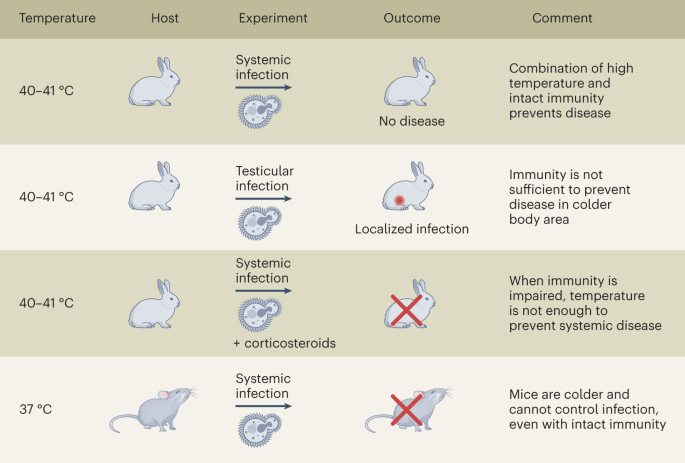
Global warming may lead to the emergence of new fungal pathogens as increased heat tolerance in fungi with pathogenic potential could result in the development of new fungal diseases. The two main sources of new infectious diseases are zoonosis and the environment, with evidence suggesting that zoonosis from non-human hosts and environmental factors have contributed to the emergence of diseases such as HIV, SARS-CoV, SARS-CoV-2, and Candida auris. Understanding the impact of global warming on fungal pathogens is crucial for disease prevention and control.
Topics:health#environmental-fungus#fungal-pathogens#global-warming#infectious-diseases#science#zoonosis
- Global warming could drive the emergence of new fungal pathogens Nature.com
- Reducing NTDs risk by tackling climate change Virgin
- Impact of climate change on tropical diseases to be studied CentAUR
- Tackling climate change and deforestation to protect against vector-borne diseases Nature.com
- View Full Coverage on Google News
Reading Insights
Total Reads
0
Unique Readers
5
Time Saved
2 min
vs 3 min read
Condensed
86%
582 → 84 words
Want the full story? Read the original article
Read on Nature.com