
Neuron Mapping Reveals How Humans Perceive Time and Space
TL;DR Summary
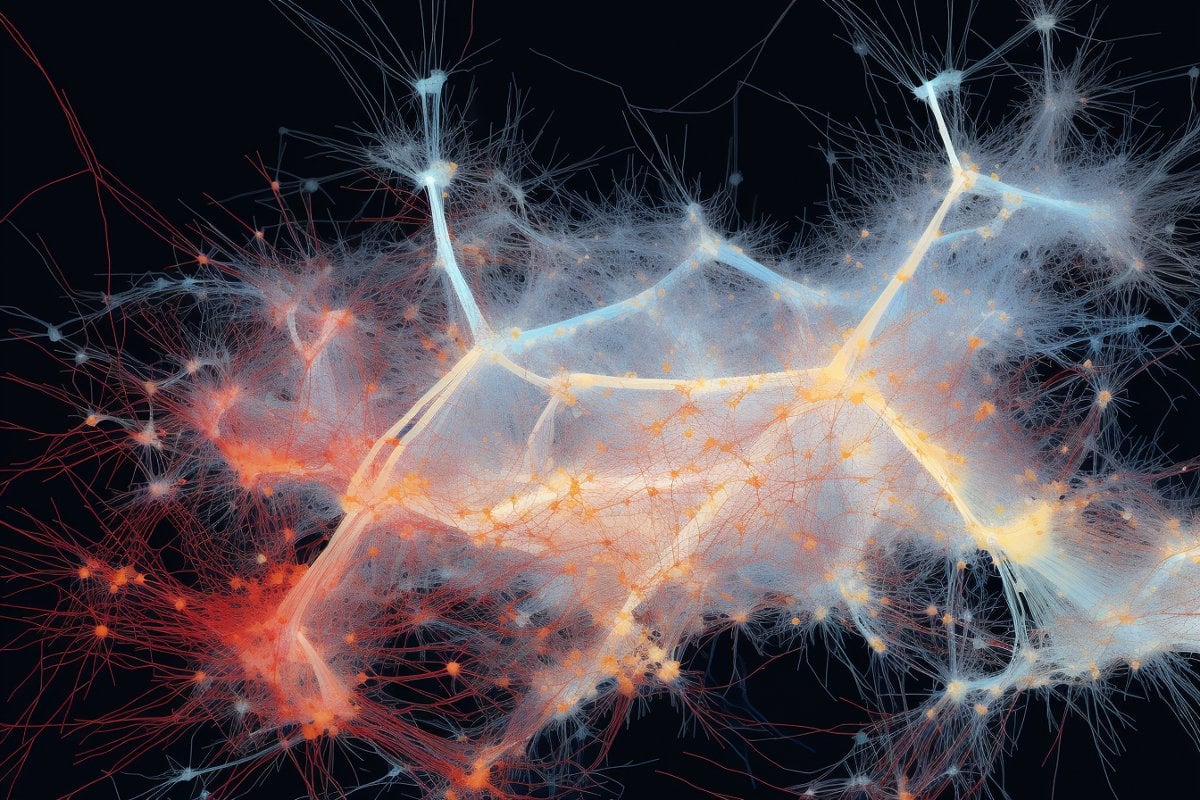
Researchers from Cleveland Clinic and Oregon Health and Science University have developed a new method, using the CaMPARI system, for mapping real-time brain activity by highlighting active neurons in red and inactive ones in green. This breakthrough has the potential to improve our understanding of behavior changes in patients with neurological diseases like Alzheimer's and could lead to better treatment options. The researchers hope to use this technique to study how Alzheimer's-related genes affect neuron signaling in learning and memory, with the goal of developing interventions to improve cognitive performance in affected individuals.
- New Map Shows How Our Neurons Communicate Neuroscience News
- Sets of neurons work in sync to track 'time' and 'place,' giving humans context for past, present and future Medical Xpress
- Mapping Time and Space: Neurons Decode Human Existence Dimensions Neuroscience News
- Sets of neurons work in sync to track 'time' and 'place,' giving humans context for past, present and future UCLA Health Connect
- View Full Coverage on Google News
Reading Insights
Total Reads
0
Unique Readers
1
Time Saved
3 min
vs 4 min read
Condensed
88%
791 → 93 words
Want the full story? Read the original article
Read on Neuroscience News