
Charlie Chaplin helps scientists understand humor processing.
TL;DR Summary
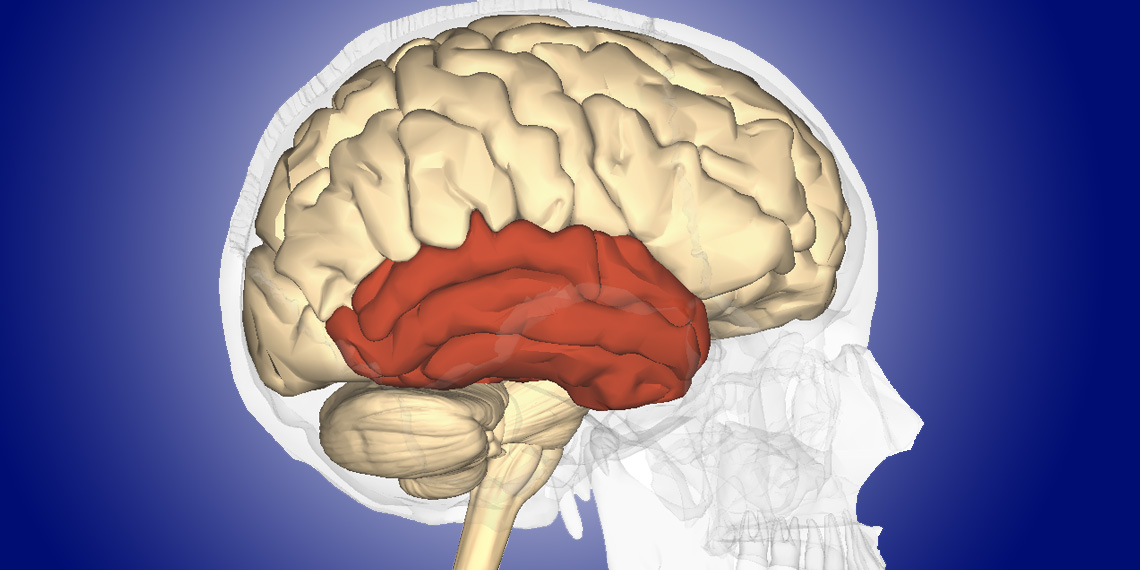
Researchers used intracranial recordings to study the neural mechanisms underlying humor processing and found that high-frequency brain waves increased during the funniest scenes in a Charlie Chaplin clip. The study revealed consistent involvement of the anterior temporal lobe, the temporo-parietal junction, and the temporal-occipital sulcus in humor processing. The findings support the idea that humor processing involves two complementary mechanisms: the detection of incongruity and the experience of positive emotions. The study provides insights into the neural correlates of humor processing and highlights the role of the temporal lobe in humor.
Topics:health#charlie-chaplin#humor#intracranial-recordings#neural-mechanisms#neuroscience#temporal-lobe
Reading Insights
Total Reads
0
Unique Readers
7
Time Saved
3 min
vs 4 min read
Condensed
88%
781 → 91 words
Want the full story? Read the original article
Read on PsyPost